
The performance marketing team wants more shots on goal. More headlines, more backgrounds, more hooks. The brand team, meanwhile, needs to protect the brand. Every ad must be compliant, from the hex codes to the font weights. This tension creates a production bottleneck where creative testing slows to a crawl, limited by the hours in a designer's day.
For years, AI ad creative generators promised a solution but delivered off-brand visuals and mangled typography. That’s changed. With the July 2026 release of text-aware models like Stable Diffusion 3.1, the technology can finally handle the details. Now, the bottleneck isn't the AI's capability—it's the workflow. A generic AI tool is a gamble; a structured workflow is a system. Here's how to build the system.
The old tradeoff: test more ads or stay on brand?
Creative fatigue is real. The same ad that performed well last month is now seeing diminishing returns. The only way to combat this is to increase your testing velocity—to systematically find the next winning combination of image, copy, and offer. But manual production makes this impossible to do at scale. Each variation requires a designer to open a file, swap elements, check against the brand guide, and export. Testing ten different backgrounds becomes a day's work.
This forces a false choice: either you sacrifice speed to maintain brand quality, or you sacrifice brand quality for speed, often using generic AI tools that produce inconsistent, off-brand results. MyUP’s point of view is that this choice is obsolete. Your AI should handle brand compliance automatically, freeing you to focus on the one thing that matters: the creative concept. The following workflow is designed to do exactly that.
Step 1: Lock your brand rules with a Brandkit
You can't get on-brand results at scale without first defining what “on-brand” means in a way a machine can understand. This is the job of the Brandkit in MyUP. Instead of referencing a PDF style guide for every creation, you build your brand identity once, directly into the platform.
A MyUP Brandkit is your central source of truth. You upload your logos, define your exact brand colors, and specify your primary and secondary fonts. Once saved, this Brandkit acts as a set of guardrails. Every workflow you run will automatically pull from these assets, ensuring that every ad variation uses the correct logo, the approved color palette, and the right typography. This isn't just about saving time; it's about eliminating the possibility of brand-compliance errors from the start.
Step 2: Build your master ad template
With your brand rules locked in, the next step is to create the master ad template. This isn't a single, static design. It's a flexible container that defines the layout and structure for all your future variations. You decide where the logo sits, where the headline goes, and the general composition of the visual.
In MyUP, you can build this from scratch or start with a pre-built workflow that already has a strong compositional structure. For example, a template for a sportswear brand will have a different energy and layout than one for a luxury product. The key is to establish a solid foundation that can support multiple variations without breaking.
To see this in action, you can start with a proven structure. This template provides a clean, professional layout for a product-focused ad, which you can then connect to your Brandkit.
Workflow code: #myup-ywpr-rqz6
Professional Sportswear Ad
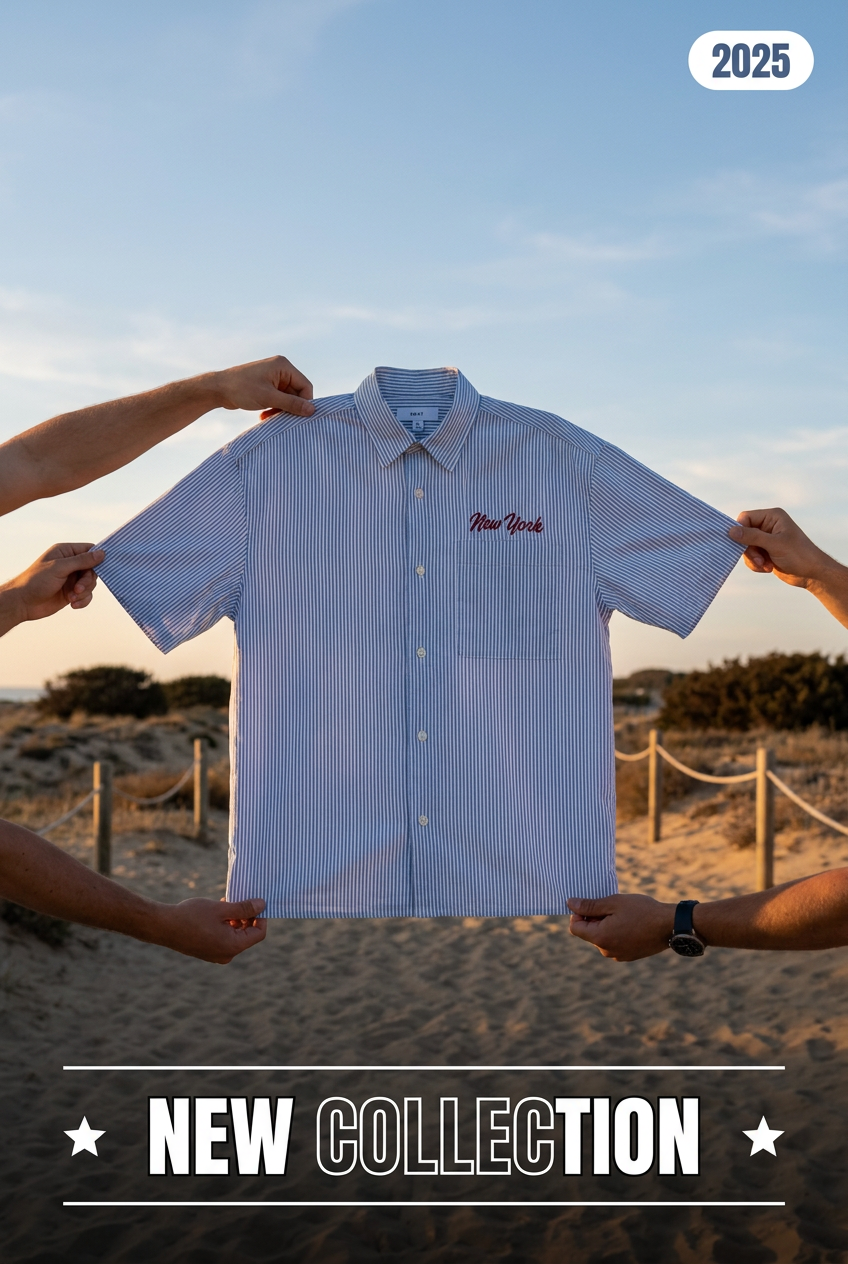
Suspends your apparel right in the center of a high-energy promo shot, held up by hands around the frame. It gives your shirts or jerseys a gritty, collaborative streetwear editorial look that feels alive and physical.
Regenerate using your own assets.
Step 3: Define what to test (and what to lock)
This is where the automation truly begins. Your Brandkit has locked the core brand elements. Your master template has locked the layout. Now, you instruct the AI on which creative elements to iterate. A MyUP workflow allows you to set specific variables for testing. For example:
- Vary the headline: Provide a list of 5-10 different headlines to test.
- Vary the background: Ask the AI to generate the ad with different backgrounds, like “in a sunlit studio,” “on a marble surface,” or “with a vibrant, abstract gradient.”
- Vary the subject: If you're advertising a line of running shoes, you could ask the AI to generate variations featuring different models or shoe colors.
The instruction is simple: “Generate 10 versions of this ad, changing only the background image.” The AI understands to keep everything else—the logo placement, font, and colors defined by your Brandkit—exactly the same. This systematic approach is far more powerful than generating random images, as it lets you isolate variables and get clean data on what works. You can apply this logic to build entire libraries of on-brand assets, not just a single image.
This template is a great example of a minimalist design where swapping the background color or product can dramatically change the mood without altering the brand's core feel.
Workflow code: #myup-zpby-tzie
Minimal Vibrant Product Advertising Poster
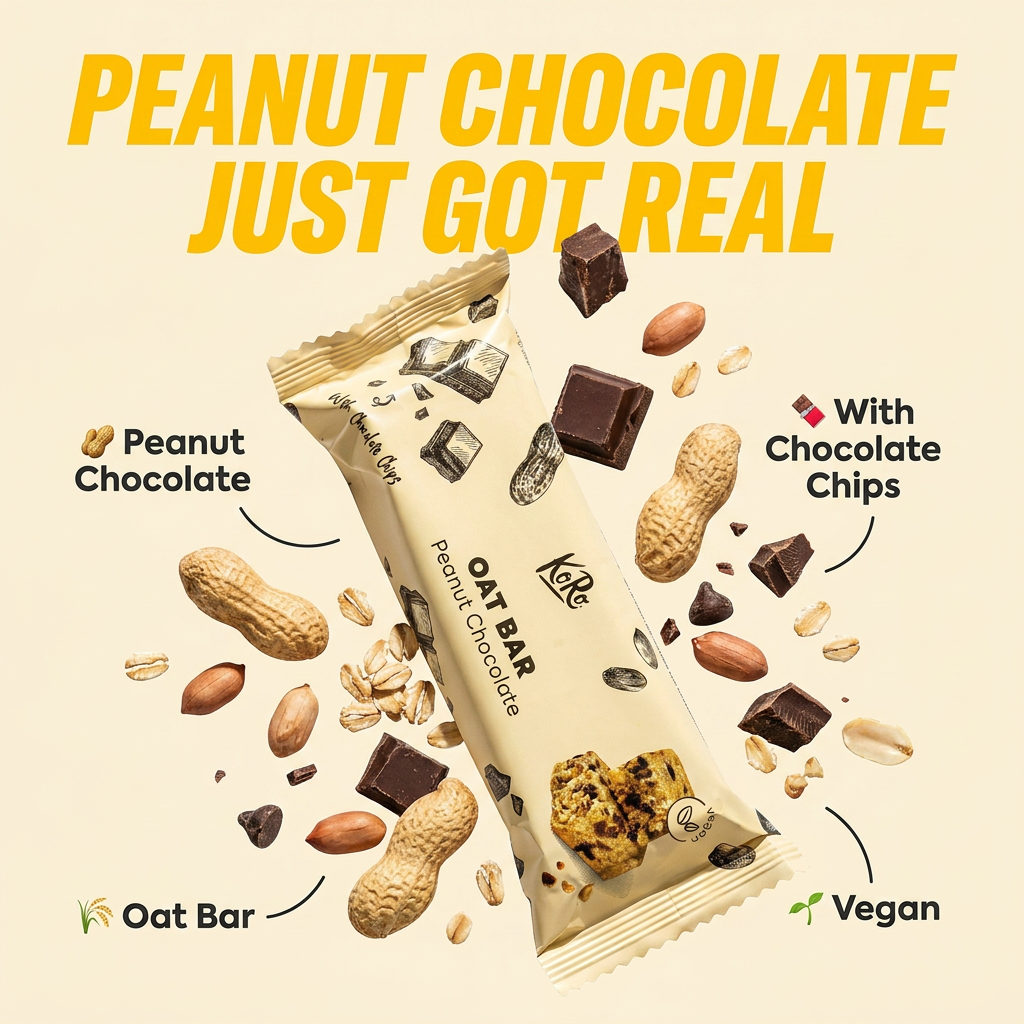
Drop in any product shot and watch it turn into a bold, high-energy square ad. It automatically reads your packaging to pull out the dominant colors and text, then builds a vibrant poster styled perfectly around your brand.
Regenerate using your own assets.
Step 4: Run the workflow to generate your variations
Once your variables are set, you execute the workflow. In minutes, MyUP delivers a grid of ad creatives. Instead of one ad, you now have 10, 20, or even 50 variations, each perfectly on-brand but exploring a different creative angle. This is where the human validation step comes in. Your role shifts from tedious production to strategic curation. You review the generated options, discard the ones that don't fit the campaign's tone, and approve the strongest concepts for testing.
This process works across any ad format or style. Whether you need a vertical ad for Instagram Stories or a classic poster for a food brand, the principle is the same: lock the brand, define the variables, and generate at scale. It’s the same core idea behind using a single prompt to generate a full week of social media content.
Here are a couple more examples of finished ad templates you can use as a starting point:
- For a dynamic, vertical format: Vertical Gourmet French Fry Ad. Workflow code: #myup-fts6-4ihp
- For a classic, bold print style: Food Brand Poster. Workflow code: #myup-tbky-nciq
You're the creative director, MyUP is your production team
This workflow fundamentally changes the role of a marketer or creative. You are no longer a production manager, bogged down in the manual creation of assets. You are a creative director, setting the strategy, defining the brand guardrails, and making the final call on which concepts go live. MyUP handles the repetitive production work, executing your vision with perfect brand consistency.
The result is a massive increase in testing velocity, which leads to better data, faster discovery of winning ads, and ultimately, more efficient campaign spending. You get the scale and speed of AI without the brand risk. Stop choosing between moving fast and staying on-brand. Build a workflow that gives you both.