
You know the winning ad is out there. The one with the background that stops the scroll, the layout that boosts CTR, the style that finally cracks a new audience segment. The problem isn't your strategy; it's your production queue. By the time you brief, review, and receive a handful of variations from a designer, the opportunity has passed. You can't test at the speed the market demands.
This is the performance marketer's testing gap. This guide closes it. Here is the step-by-step workflow to use AI to generate a complete, on-brand test matrix from a single product image in minutes, not weeks.
The biggest blocker to finding winning ads isn't your budget—it's your production speed
Every performance marketer has a list of creative hypotheses they want to test. Does a minimalist aesthetic outperform a vibrant, colorful one? Does a studio background convert better than a lifestyle scene? Answering these questions is the direct path to better ROI. But each question requires a new set of visual assets, and that's where the process breaks down.
The traditional creative cycle—briefing a designer, waiting for concepts, providing feedback, getting revisions—is fundamentally at odds with the pace of modern A/B testing. You need dozens of variations to build a proper test matrix, but you're lucky to get a few before the campaign deadline. This forces you to make decisions based on incomplete data, leaving money on the table.
An AI-powered workflow solves the production bottleneck. Instead of briefing assets one by one, you define your brand's rules once. Then, you can generate unlimited on-brand ad variations instantly, allowing you to test every hypothesis and find winning creative faster.
Step 1: Set the foundation with a one-time Brandkit setup
Before you can generate variations at scale, you need to solve for brand consistency. Otherwise, you'll spend all your saved time fixing off-brand colors, incorrect fonts, and misused logos. This is the critical first step where most generic AI image tools fail.
In MyUP, you solve this with a Brandkit. It's not a passive style guide; it's an active production engine. You simply provide a URL to your website, and MyUP automatically analyzes it to build your brand's DNA:
- Colors: It extracts your exact primary and secondary color palettes.
- Fonts: It identifies the typefaces you use for headlines and body text.
- Logo: It pulls your logo for correct placement.
- Style: It learns the overall aesthetic of your brand's visual identity.
Once your Brandkit is saved, it acts as a permanent guardrail. Every asset you generate, from any workflow or template, will automatically inherit these brand rules. The user—the marketer—validates the brand setup once. MyUP then handles the compliant production of every single asset, ensuring 100% consistency without manual checks.
Step 2: Generate your control group with a core creative concept
With your Brandkit active, you're ready to build your first test group. Let's start with a single product image and a clear hypothesis: "A vibrant, high-energy background will capture more attention in a crowded feed."
You don't need to write a complex prompt. Instead, you can use a pre-built MyUP workflow designed for this exact task. The 'Minimal Vibrant Product Advertising Poster' template takes your product image and, guided by your Brandkit, generates a series of ads that fit the vibrant aesthetic while using your specific brand colors.
This creates your 'Group A' or control group in seconds. You now have a set of assets to test your initial hypothesis. To run this yourself, just load the workflow in MyUP.
Workflow code: #myup-zpby-tzie
Minimal Vibrant Product Advertising Poster
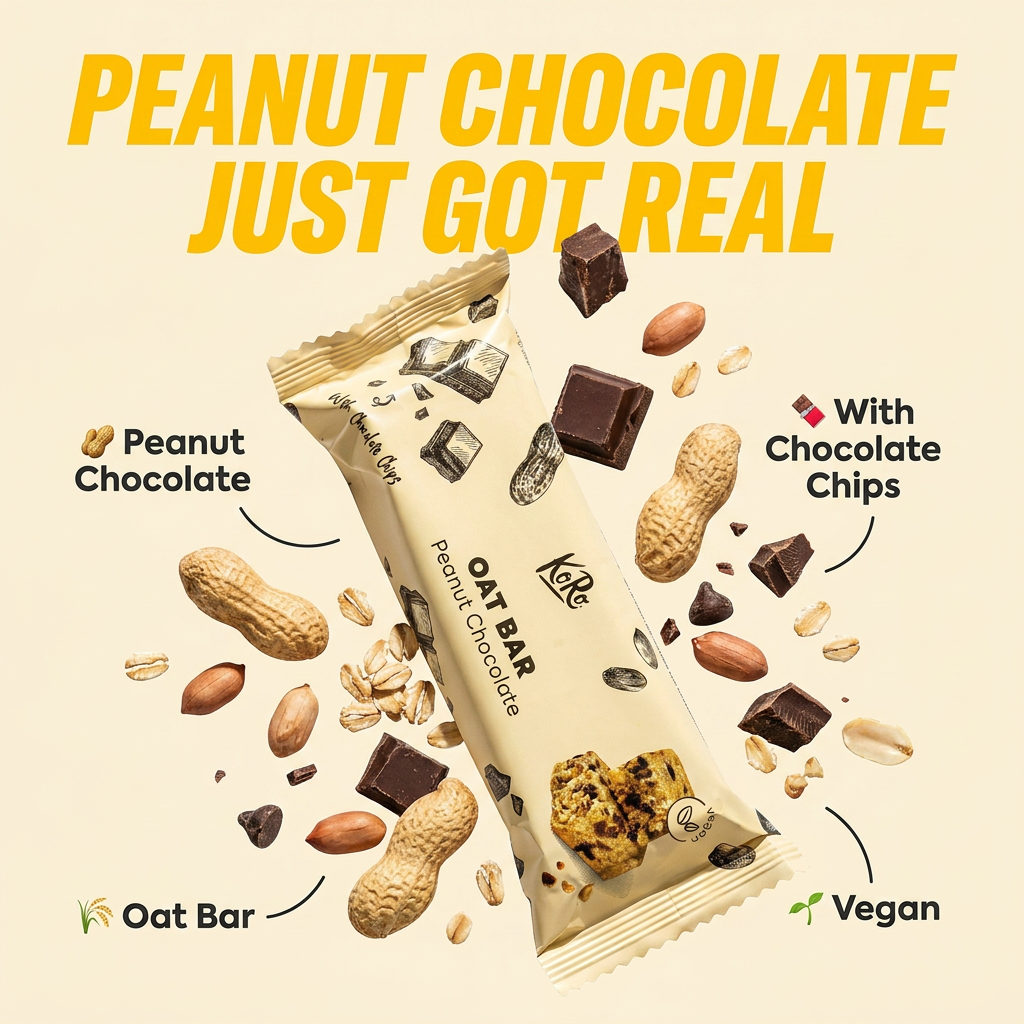
Drop in any product shot and watch it turn into a bold, high-energy square ad. It automatically reads your packaging to pull out the dominant colors and text, then builds a vibrant poster styled perfectly around your brand.
Regenerate using your own assets.
Step 3: Instantly create a second test group with a different style
Here is where the speed of AI becomes a true competitive advantage. Your next hypothesis is: "A minimalist, elegant aesthetic might appeal more to a high-end audience segment."
In a traditional workflow, this would mean a completely new brief and another multi-day production cycle. In MyUP, it's just a different workflow. Using the exact same product image and the same active Brandkit, you now run the 'Minimalist Elegant Product Advertising Poster' workflow.
The system generates a completely new set of ads for 'Group B'. The aesthetic is different—more white space, refined typography—but the core brand elements are identical. Your logo is perfect. The colors, though used more subtly, are still from your approved palette. This is how you build a valid A/B test: change the creative variable, but keep the brand constant.
Workflow code: #myup-fy77-jljs
Minimalist Elegant Product Advertising Poster
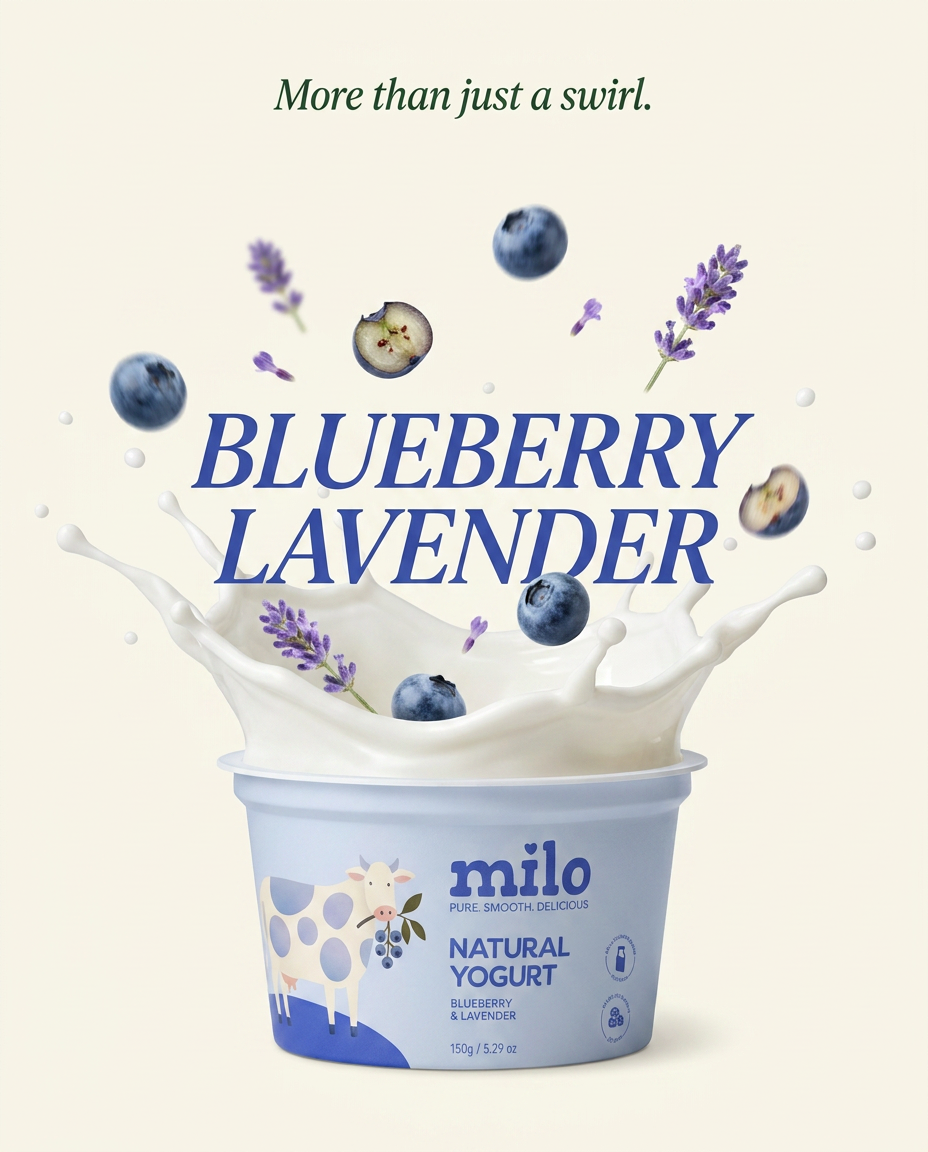
Turn any product shot into a high-end editorial ad. It places your item against a soft cream background with airy spacing and adds elegant, small serif typography at the top. Great for wellness or luxury brands wanting a calm, minimal aesthetic.
Regenerate using your own assets.
Step 4: Expand your test matrix for other product types
This workflow-based approach isn't limited to a single product category. Its strength lies in its adaptability. If you're a food and beverage brand, for example, you can apply the same testing methodology.
Let's say you want to test a retro poster style for a new drink. You can use the 'Food Brand Poster' workflow. It's designed to create bold, graphic ads that feel nostalgic yet modern. Once again, your Brandkit ensures that the 'retro' style is interpreted through the lens of your unique brand identity, using your colors and fonts to make it your own. This allows you to build out test groups for every product in your catalog with minimal effort, far beyond what's possible with manual creation. For a more comprehensive look at creating a whole suite of assets, see how this applies to building an entire event campaign with AI in our automated campaign workflow guide.
Workflow code: #myup-tbky-nciq
Food Brand Poster
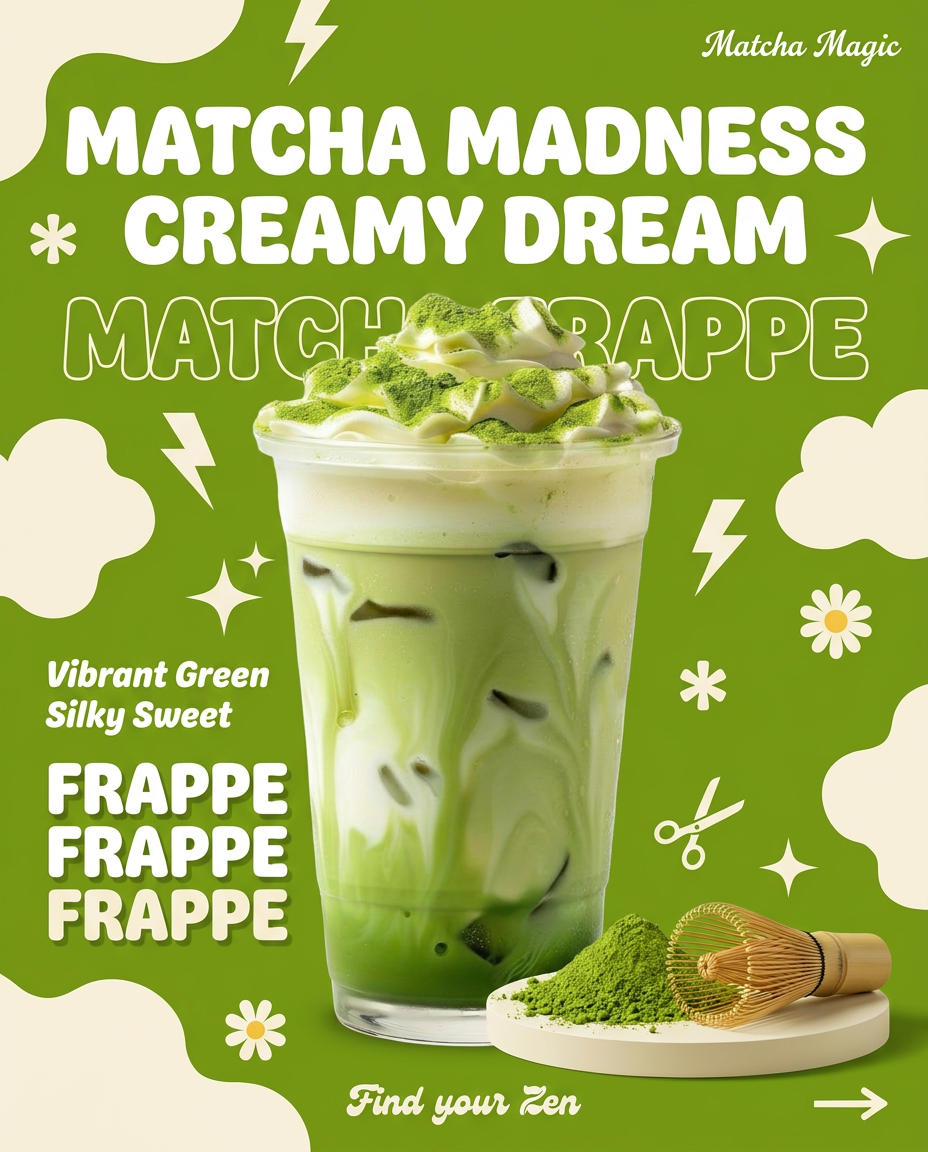
Instantly turn any food or drink product packaging into a bold, vibrant retro poster. The system automatically reads your bottle or box to grab its exact colors and ingredients, then crafts a perfectly coordinated vintage background around it.
Regenerate using your own assets.
Step 5: Assemble your on-brand test matrix and launch your campaign
In just a few minutes, you've moved from a single product image to a complete, ready-to-launch test matrix. You have multiple creative variations for each of your core hypotheses:
- Group A (Vibrant): A set of ads testing a high-energy, colorful approach.
- Group B (Elegant): A set of ads testing a minimalist, premium feel.
- Group C (Retro): A set of ads testing a nostalgic, graphic style.
All 10+ assets are perfectly on-brand, consistent, and ready to be uploaded to your ad platform. The production bottleneck that used to take weeks and stall your testing schedule has been completely eliminated. You can now spend your time where it matters most: analyzing the results, doubling down on the winning creative, and planning your next round of tests.
You're a marketer, not an asset factory
The goal of AI in marketing isn't just to generate images faster. It's to remove production as a constraint on strategy. When you can create unlimited on-brand ad variations on demand, you can test more, learn faster, and ultimately drive better results for your business. MyUP is the platform built for this reality. It automates the execution so you can focus on the analysis and strategy. Stop briefing, and start testing.