
If your AI-generated ad creative feels sterile, you're not alone. The biggest complaint from marketers right now isn't about realism, but about perfection. AI images are often too polished, too symmetrical, too clean—and they kill the authentic vibe that drives performance on social media. This has led to a breakout search trend for 'AI UGC generators' as brands desperately try to create 'authentic fakes'.
The good news is that authenticity can be designed. The user-generated content (UGC) look isn't random; it's a visual style with its own rules. By treating it as such, you can systematically prompt AI to create perfectly imperfect visuals at scale. This guide will deconstruct that aesthetic and give you the exact prompts and workflows to build it back up using MyUP.ai.
First, deconstruct the 'UGC' aesthetic into promptable rules
Before you can generate a convincing UGC-style ad, you have to stop thinking about 'realism' and start thinking about 'style'. The 'shot-on-a-phone' look is an aesthetic, just like cinematic or vintage. We can break it down into four core components that can be controlled with specific prompts:
- The Camera: It's not a RED cinema camera; it's a smartphone. This means lens distortion, specific color science, and occasional imperfections like slight motion blur or grain.
- The Lighting: It's not a three-point studio setup. It's a window, a single lamp, or the harsh midday sun. This creates high-contrast shadows and less-than-perfect illumination.
- The Subject: It's not a professional model holding a pose. It's a real person in a candid, un-staged moment—laughing, using the product naturally, or looking slightly off-camera.
- The Environment: It's not a pristine studio or a stock photo background. It's a slightly messy kitchen, a lived-in bedroom, or a busy coffee shop. The context feels real.
By targeting each of these elements in your prompts, you instruct the AI to abandon its default 'perfect photography' mode and adopt the specific visual language of UGC.
The prompt formula for the 'shot on a phone' look
The fastest way to break the AI's habit of creating glossy, professional images is to tell it what camera to use. Specifying a smartphone model forces the AI to mimic its unique visual characteristics.
Start your prompt with phrases that define the recording device. This is the foundation of the entire aesthetic.
Keywords to use:
- shot on an iPhone 15
- handheld footage style
- selfie perspective
- slight motion blur
- subtle film grain
- taken from a low angle
For example, instead of prompting for 'a woman drinking coffee', you would prompt for 'UGC style photo, shot on an iPhone 15, a woman drinking coffee...'. This simple addition immediately grounds the image in a more realistic, less polished context. The AI understands the technical limitations and visual artifacts associated with a smartphone camera and incorporates them into the final image.
How to prompt for candid people and authentic poses
This is where most AI ads fail. The subjects often look like stock photo models with vacant stares, perfectly posed. To achieve the UGC feel, you need to prompt for action, emotion, and imperfection.
Use phrases that describe a moment in time, not a static pose. The goal is to capture a feeling, not just a person.
Prompting for authenticity:
- candid moment, a woman laughing naturally while unboxing a product
- unposed, a man jogging in the park, seen from a friend's perspective
- a genuine smile, not looking directly at the camera
- mid-action shot, slightly blurred from movement
Generating dynamic, realistic human subjects is a challenge, but MyUP workflows can streamline the process. Instead of starting from scratch, you can use a template designed to produce this exact style of ad creative. The 'Professional Sportswear Ad' workflow, for instance, is built to generate high-energy, authentic shots of people in action, perfect for fitness or apparel brands.
Workflow code: #myup-ywpr-rqz6
Professional Sportswear Ad
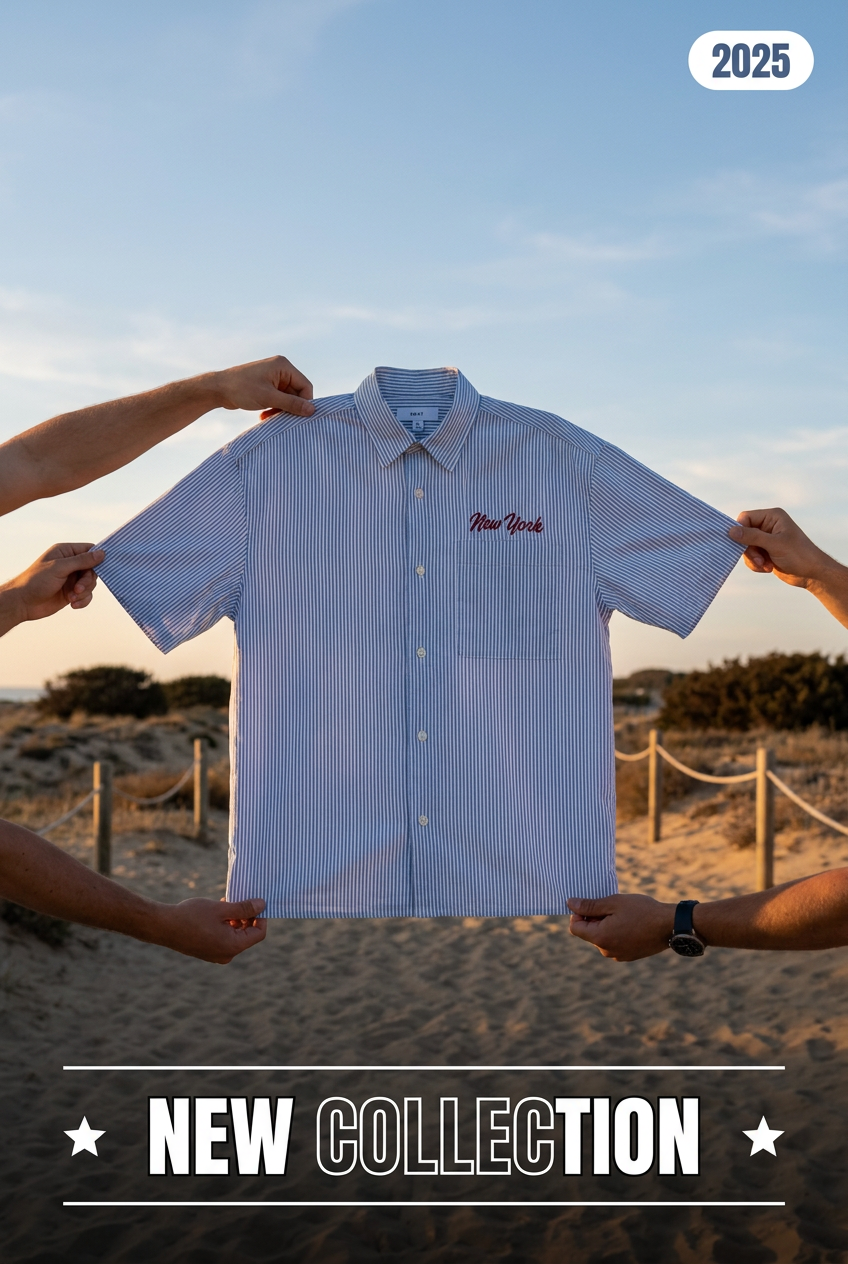
Suspends your apparel right in the center of a high-energy promo shot, held up by hands around the frame. It gives your shirts or jerseys a gritty, collaborative streetwear editorial look that feels alive and physical.
Regenerate using your own assets.
Setting the scene: Creating lived-in, believable environments
A perfect subject in a sterile environment still looks fake. The background is just as important for selling the UGC aesthetic. You need to create a sense of place that feels real and unstaged. The key is to add details that suggest a real life is being lived just outside the frame.
Avoid terms like 'minimalist background' or 'on a seamless backdrop'. Instead, describe a real-world location with its natural clutter.
Prompting for real environments:
- ...on a messy kitchen counter with morning light streaming from a window.
- ...in a cozy, lived-in bedroom with clothes on a chair in the background.
- ...at a busy outdoor cafe, with other people blurred in the background.
Placing a product or person into a contextually rich scene is where a structured workflow on MyUP shines. You can define the environment once and then generate dozens of variations of your subject within it. The 'Brand Clothes Post' workflow is a great starting point for this, allowing you to quickly visualize apparel in authentic, lifestyle settings that resonate with social media audiences. It's a similar process for home goods, where a workflow can help you avoid visuals that look like they're from a catalog, a problem we tackle in our guide to making AI interior designs look real.
Workflow code: #myup-3sro-edbt
Brand Clothes Post

Turn any outfit photo into a high-end fashion promo poster. It centers your subject in a full-body shot against a dark, dramatic studio backdrop, perfectly cropped for social feeds. It gives your apparel a moody, editorial look instantly.
Regenerate using your own assets.
The negative prompt is your most important tool for realism
What you tell the AI not to do is often more powerful than what you tell it to do. AI models are trained on vast datasets of professional photography, so their default is to create clean, well-lit, and perfectly composed images. The negative prompt is your tool to fight that bias.
A strong negative prompt acts as a filter, removing the elements that scream 'AI-generated'.
Essential negative prompts for UGC:
--no professional photography, studio lighting, softbox, perfect skin, flawless, symmetrical, 3D render, CGI, unrealistic, oversaturated, centered composition
By explicitly excluding these terms, you steer the AI away from its polished defaults and force it into the more chaotic, unpredictable, and ultimately more believable territory of user-generated content.
How to scale production with a MyUP 'UGC Style Guide'
Once you've mastered the individual prompts, the final step is to systematize the process for scale. You don't want to create one perfect UGC ad; you want to create dozens of variations for A/B testing across campaigns. This is where MyUP's Brandkit and workflows become essential.
Instead of using your Brandkit for logos and brand colors, you can create a 'UGC Style Guide'. Save your core aesthetic prompts—the camera type, the lighting style, the color grade—as part of a dedicated kit. Now, every time you run a generation, these foundational elements are automatically applied, ensuring every output shares the same authentic DNA.
Combine this with a workflow, and you can automate the entire process. A single workflow can take a product name and generate 20 different ad visuals, each with a different person and background but all adhering to your UGC Style Guide. The user validates the outputs, while MyUP handles the production. This is how you move from crafting single images to running a scalable content engine. Even for highly stylized outputs, like those from the 'Retro Style Food Advertising Poster' workflow, the principle is the same: define the style once, then automate its application.
Workflow code: #myup-1hgd-9oz5
Retro Style Food Advertising Poster
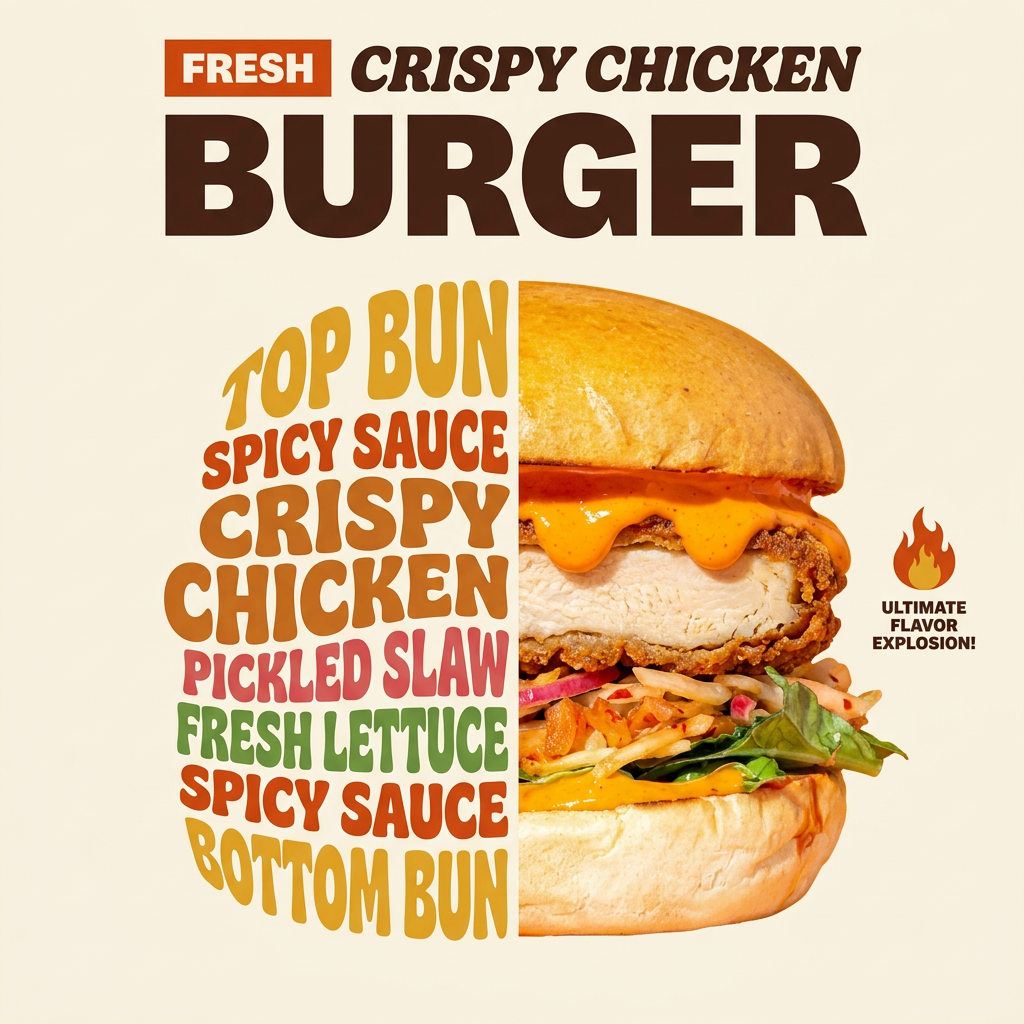
Turn any food product shot into a bold, nostalgic retro advertisement. It drops your item onto a warm cream background and automatically frames it with a color-matched header badge for that classic mid-century print ad look.
Regenerate using your own assets.
Your turn: Stop chasing perfection, start designing authenticity
The goal of AI-generated UGC isn't perfect photorealism; it's emotional realism. It's about creating an image that feels relatable and trustworthy, not one that is technically flawless. By deconstructing the UGC aesthetic into a set of promptable rules—camera, lighting, subject, and environment—you can move beyond generic AI visuals and start designing for authenticity.
With MyUP, you can codify these rules into a repeatable workflow. You provide the creative direction, and the platform handles the production, delivering consistent, on-brand, and perfectly imperfect ad creative at scale. Start with one of the workflows above and see how quickly you can generate UGC-style ads that actually connect with your audience.