You described the perfect thumbnail: a hero shot of your new skincare product on a clean marble surface. You hit 'generate' and the AI returns a visual soup. The product is off-center, the background is littered with distracting, nonsensical objects, and the lighting is flat. It’s a cluttered mess. This experience, echoed in recent discussions on creator forums and Reddit, is a common frustration. You wanted a professional visual, but you got a random collage.
The root of the problem is simple: most AI image generators are pattern-matching engines, not graphic designers. They lack an innate understanding of visual hierarchy, the art of arranging elements to guide the viewer's eye. They don't know what the 'hero' of the image is, how to use negative space to create focus, or how to compose a shot that communicates a message in a split second. As a result, they produce images that are technically impressive but commercially ineffective.
Why your AI thumbnails are a cluttered mess
You described the perfect thumbnail: a hero shot of your new skincare product on a clean marble surface. You hit 'generate' and the AI returns a visual soup. The product is off-center, the background is littered with distracting, nonsensical objects, and the lighting is flat. It’s a cluttered mess. This experience, echoed in recent discussions on creator forums and Reddit, is a common frustration. You wanted a professional visual, but you got a random collage.
The root of the problem is simple: most AI image generators are pattern-matching engines, not graphic designers. They lack an innate understanding of visual hierarchy, the art of arranging elements to guide the viewer's eye. They don't know what the 'hero' of the image is, how to use negative space to create focus, or how to compose a shot that communicates a message in a split second. As a result, they produce images that are technically impressive but commercially ineffective.
The manual fix: are complex prompts and wireframes the answer?
To combat this, a new cottage industry of complex techniques has emerged. Power-users share advanced prompts packed with compositional jargon: 'rule of thirds, golden ratio, dynamic symmetry, high-angle shot, subject in foreground, negative space around subject.' The goal is to manually force the AI into creating a balanced layout. While this can sometimes work, it turns the creative process into a technical reverse-engineering puzzle.
More recently, new tools have introduced features like 'composition locks' or wireframe overlays, allowing you to draw basic shapes on a canvas to dictate where elements should appear. This gives you more manual control, but it also adds another layer of friction. You're no longer just a creator with an idea; you're now a layout artist, a prompt engineer, and a digital compositor, juggling tools just to get a usable starting point. This isn't a faster way to create; it's just a different kind of complexity, and it still doesn't guarantee a finished, studio-quality result.
A better method: from creative intent to finished composition
There is a more direct path. Instead of trying to teach an AI graphic design principles with every prompt, you can use a platform built on a different philosophy. At MyUP, the unit of creation isn't a prompt or a tool—it's your intention.
You don't think in terms of 'methods' or technical pipelines. You think, 'I want a high-impact ad for my product,' or 'I need a compelling portrait for my video.' MyUP is the Creative Production Platform designed to take that intention and deliver a finished creation from A to Z. This is possible because MyUP uses creative templates built by top designers and AI creators. These templates have professional composition, lighting, and visual hierarchy baked in. You just state your goal and provide your inputs; MyUP handles the complex production to deliver a result that's ready to publish.
Example 1: Creating a high-impact product thumbnail that sells
Let's say you're an e-commerce owner frustrated with AI-generated product shots where the background distracts from your item. Your goal is a clean, premium visual that makes the product the undeniable hero. Instead of wrestling with prompts to remove clutter, you can state your intent directly in MyUP.
Here’s the simple production process:
- State your intention: You need a luxury ad campaign for your skincare brand.
- Choose the right template: The 'Luxury Skincare Product Ad Campaign' is designed specifically for this. It’s engineered to produce clean, elegant visuals that scream 'premium.'
- Provide your input: Upload a single photo of your product.
MyUP executes the template, delivering not just one, but a set of finished creations: a hero shot with perfect studio lighting, a lifestyle scene, and macro details. The composition is flawless because a design expert already defined what a successful luxury ad looks like. The product is the clear focal point, surrounded by just enough negative space to give it visual authority. No complex prompting required. Template: #myup-vccl-cyv5
Luxury Skincare Product Ad Campaign
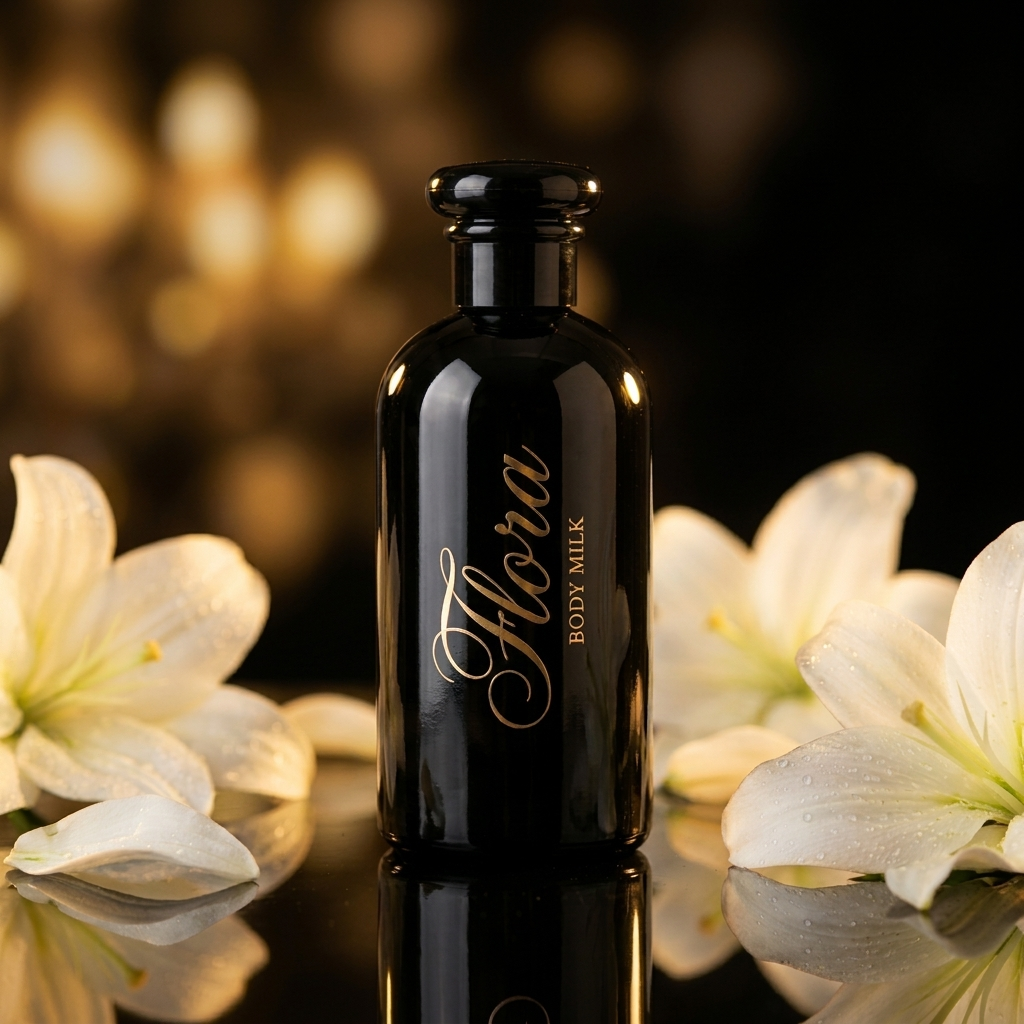
Create a polished luxury advertising set from a single beauty product image. This reusable 4-step workflow generates a clean studio hero shot, an elegant lifestyle scene, a macro product detail and a vertical social media composition while preserving the visual identity of the uploaded product. Designed for skincare, cosmetics and premium beauty products.
Regenerate using your own assets.
Example 2: Crafting a compelling portrait for content that connects
Now, imagine you're a content creator, perhaps a food blogger or YouTuber. You need a thumbnail that connects with your audience and makes them want to click. A generic, static AI portrait won't cut it. You need something dynamic and authentic that tells a story.
Your intention isn't just 'a person eating'; it's 'a compelling, close-up shot of someone enjoying food that feels real and appetizing.' On MyUP, you can use a template built for exactly that. The 'Bold Portrait Food Advertising Photo' is designed to create high-impact, messy, realistic bite shots that feel like a premium lifestyle campaign. You provide the product or food idea, and the template generates a finished thumbnail with a strong human focal point, engaging emotion, and a composition that draws the viewer right in. It’s the difference between a random stock photo and a shot that makes you hungry. Template: #myup-xjsb-hirr
Bold Portrait Food Advertising Photo
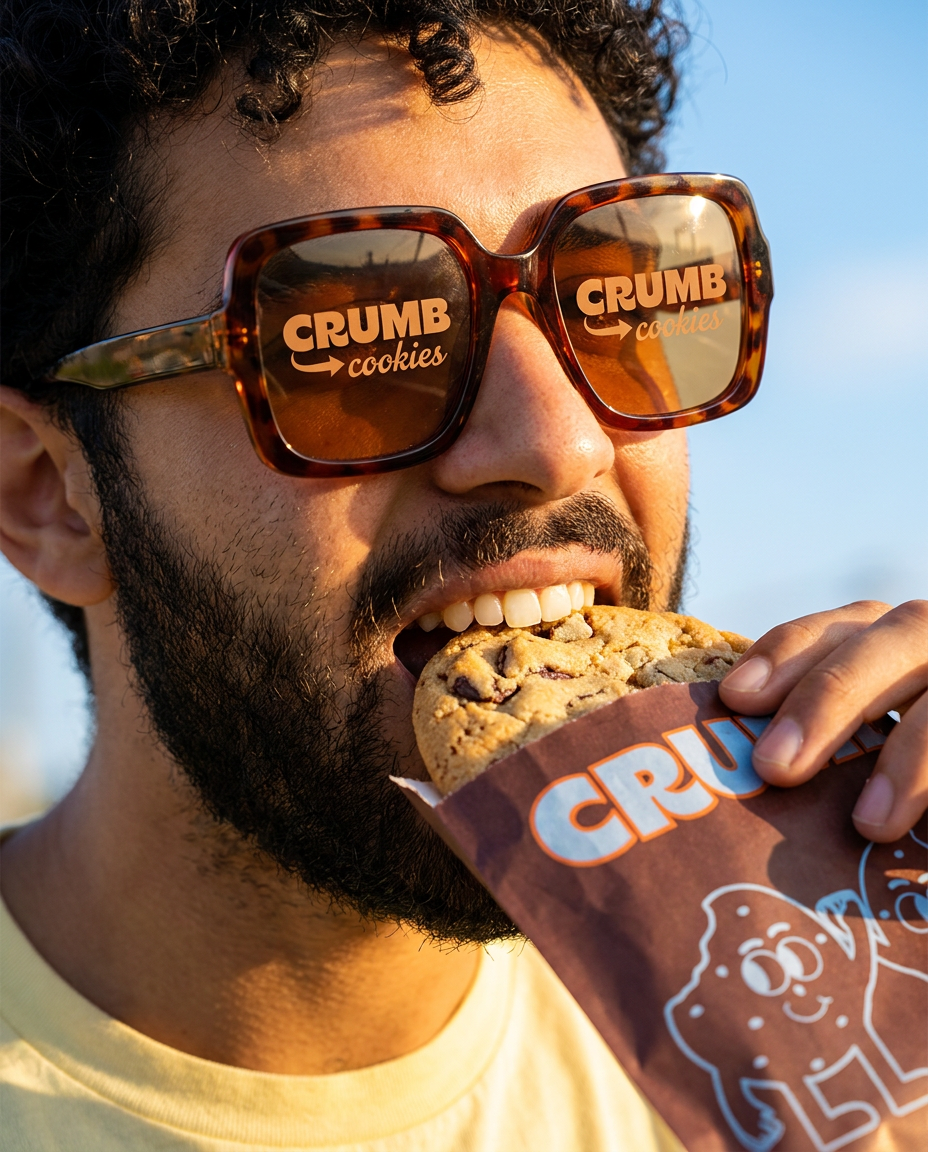
Get those high-impact, tight action shots of people actually enjoying your food brand. It drops your product right into a messy, realistic close-up bite shot that feels like a premium lifestyle campaign instead of a boring studio packshot.
Regenerate using your own assets.
Example 3: Achieving an editorial look for your brand
For brands that need to project a sophisticated, high-fashion image, a standard AI generation will almost always fall short. The outputs often lack the specific aesthetic and polish of an editorial photoshoot. Your intention here is to create a visual that builds brand equity—something that could grace the cover of a magazine.
This is where a specialized creative template becomes essential. For instance, the 'High-End Editorial Fashion Magazine Cover' template on MyUP is pre-configured with the visual DNA of a luxury publication. You simply provide a portrait, and the production process automatically applies relaxed, high-fashion posing, soft styling, and an expertly balanced composition. The result is not just a picture of a person; it's a finished piece of brand communication with an unmistakable editorial feel. This is how you use AI to create assets that look expensive and intentional, reinforcing a premium brand identity. Template: #myup-yk1h-uqy8
High-End Editorial Fashion Magazine Cover
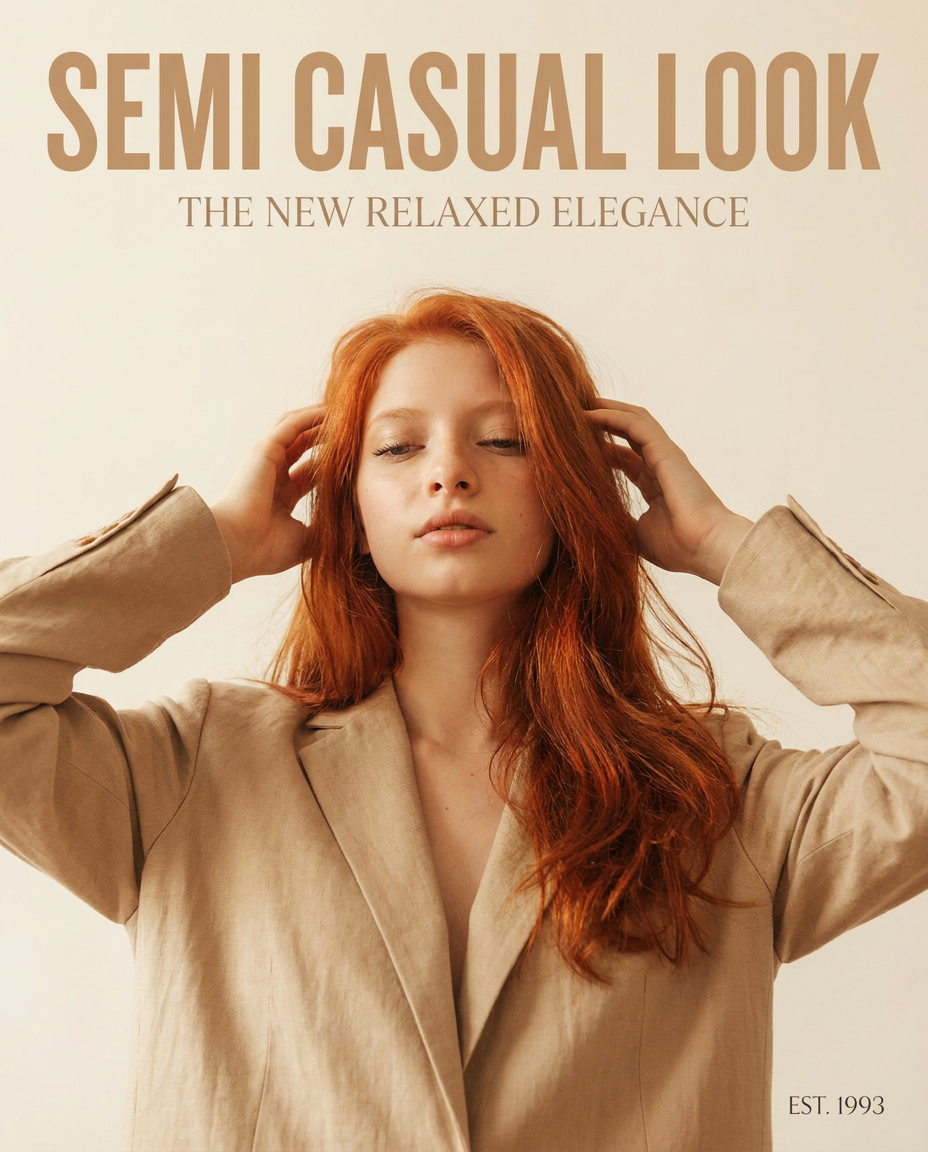
Drop in any portrait and turn it into a high-end editorial magazine cover. It frames your subject beautifully with relaxed, high-fashion posing and soft styling for a polished print aesthetic.
Regenerate using your own assets.
Stop fighting the AI, start directing the creation
Mastering AI thumbnail composition shouldn't require you to become a prompt engineer or a manual layout artist. Fighting with tools to enforce basic design principles is a waste of creative energy. The real goal is to get a finished, effective visual that does its job—capturing attention and driving clicks.
The most effective method is to shift from describing the 'how' to stating the 'what.' By defining your creative intention, you can leverage a production platform like MyUP to handle the complex execution for you. With templates designed by experts, perfect composition is no longer a matter of luck or technical skill; it's built into the creation process. Describe what you want to achieve, and get your finished, professionally composed thumbnail in minutes, not hours.