
You’ve seen them all over social media: stunning, intricate QR codes blended into fantasy landscapes or detailed portraits. You tried a few generators, and the results were impressive. But when you tried to use one on a real poster, it either didn't scan or it looked completely disconnected from your brand. You're not alone. Search data from this month, June 2026, shows a spike in marketers searching for 'AI QR code not working' and 'scannable AI QR code'. The novelty has worn off, and the practical failures are piling up. That beautiful piece of AI art is a dead end. It’s a social media post, not a campaign asset. The real missed opportunity isn't just a failed scan; it's the failure to turn a utility into a powerful brand touchpoint. It's time to stop chasing viral art and start building a reliable marketing channel. This requires a workflow, not just a generator.
The two failure modes: the art trap and the utility trap
Businesses trying to use AI QR codes fall into one of two traps. Understanding them is the first step to building a system that works.
The Art Trap: This is the most common failure. You generate a visually spectacular QR code that seamlessly integrates into an image of a cyberpunk city or a photorealistic product shot. It looks incredible, but the AI has distorted the data modules so much that most phone cameras can't read it. It's a marketing asset that has lost its core function. You've created a beautiful poster with a broken link, frustrating potential customers and damaging brand credibility.
The Utility Trap: To avoid the Art Trap, you overcorrect. You use a standard, black-and-white QR code and just place your logo in the middle. It's scannable, yes, but it's also generic. It does nothing to enhance your brand's visual identity. It sits on your beautiful design like a technical afterthought, communicating utility but not brand value. It's a functional link, but it's a completely missed opportunity to reinforce your brand's look and feel.
Both traps lead to the same place: a dead-end asset. One is art that doesn't work, and the other is a tool that doesn't build your brand. The solution is a process that balances both aesthetics and function from the start.
The workflow: from a simple link to an on-brand asset
A reliable, on-brand QR code isn't the result of a lucky prompt. It's the output of a structured workflow. In MyUP.ai, this process is designed to connect your brand identity directly to the generation process, ensuring the final asset is both beautiful and functional.
Here’s how it works:
- Start with a functional QR code. This is the critical first step. Use any standard generator to create a simple, black-and-white QR code for your link. This working code will be our functional base, not just a prompt reference.
- Let your Brandkit do the heavy lifting. Upload the working QR code to MyUP. Your saved Brandkit—which already knows your logo, color palette, and fonts—is automatically available. MyUP will use your brand's core colors as the foundation for the new design, ensuring consistency from the very beginning.
- Use a simple prompt to guide the style. Now, you guide the aesthetic. Instead of a complex prompt describing an entire scene, you give a simple stylistic instruction. For example: 'A QR code for a coffee brand, integrated with coffee beans and steam, using the Brandkit colors.' MyUP blends your functional QR code with this style, keeping the core data structure intact.
- Validate the best options. MyUP doesn't give you just one output; it generates several variations. This is where human control comes in. You are the validator. Test each option with your phone's camera. You get to choose the most visually appealing option that is also 100% scannable. MyUP handles the production; you approve the final, working asset.
This workflow transforms the QR code from a gamble into a predictable production process. You get the artistic flair of AI without sacrificing the scannability your campaign depends on.
Putting it to work: placing your QR code on a campaign poster
An on-brand QR code is only useful once it's part of a larger marketing piece. Once you've generated and validated your code in MyUP, the next step is to integrate it into a campaign asset. For example, let's say you're creating a poster for an upcoming event and want to link to the ticket page.
Instead of starting from a blank canvas, you can use a MyUP template that's already structured for high impact. The workflow handles the layout, typography, and visual hierarchy, allowing you to simply drop in your new QR code as a key element of the design. The result is a professional, cohesive poster created in minutes, not hours.
This template is the perfect starting point to build a bold, grid-based poster for your next event or announcement.
Workflow code: #myup-n0bi-2wzk
Bold Editorial Grid Poster
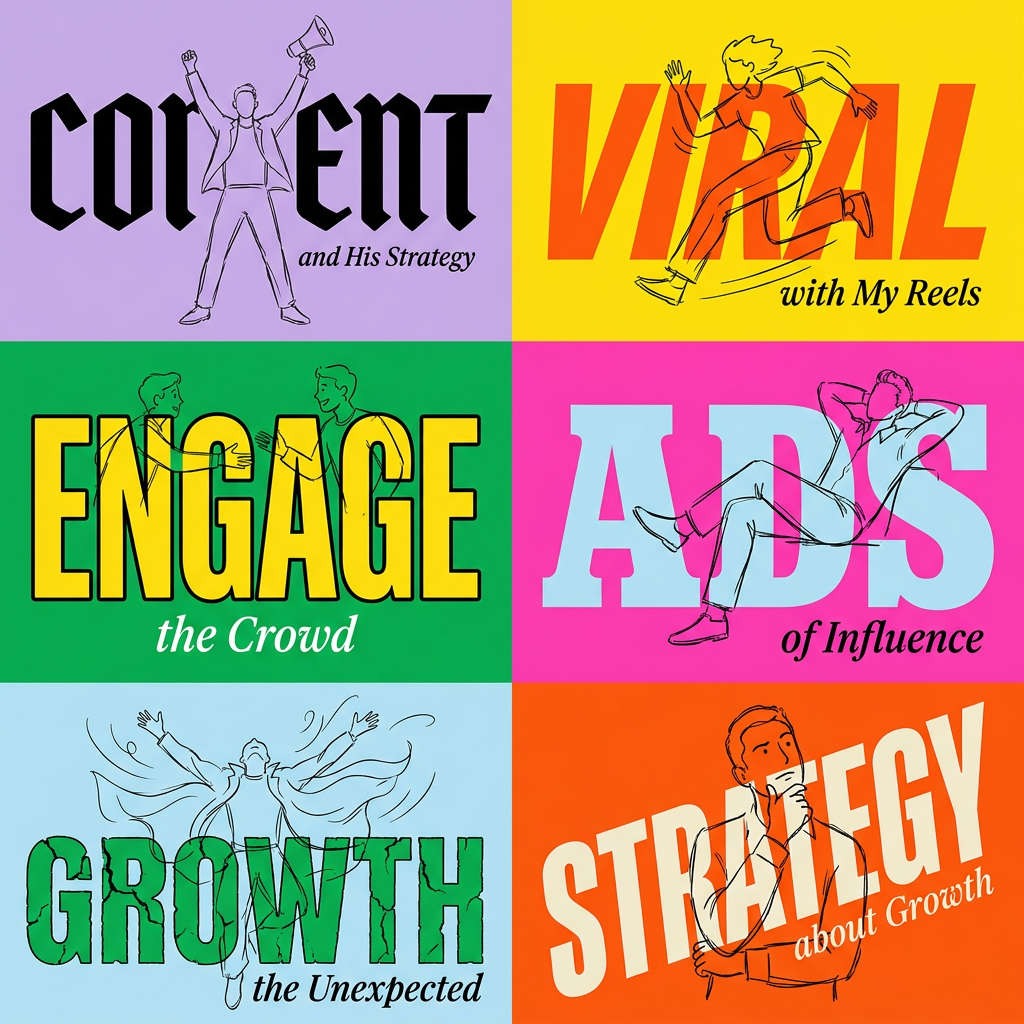
Create striking 2x3 editorial posters with six seamless, flat-color square cards in a perfect 4:5 grid. There are absolutely no gaps between the blocks, giving your content a bold, high-contrast magazine layout. It looks incredibly clean on any social feed.
Regenerate using your own assets.
Use case: adding a branded QR code to a product ad
The same workflow is just as effective for e-commerce. Imagine you're running a print or digital ad for a new skincare product. The goal is to drive traffic directly to the product page for immediate purchase. A generic QR code feels cheap, but an unscannable artistic one loses the sale entirely.
Using the MyUP workflow, you can generate a QR code that incorporates elements from your product's packaging or key ingredients—for instance, subtle floral patterns or water splashes that match your brand's aesthetic. This on-brand code can then be placed into a minimalist ad poster. It not only provides a direct path to purchase but also enhances the ad's overall design and brand story.
To create a clean, elegant advertisement that puts your product and your new branded QR code front and center, this workflow is the ideal tool.
Workflow code: #myup-fy77-jljs
Minimalist Elegant Product Advertising Poster
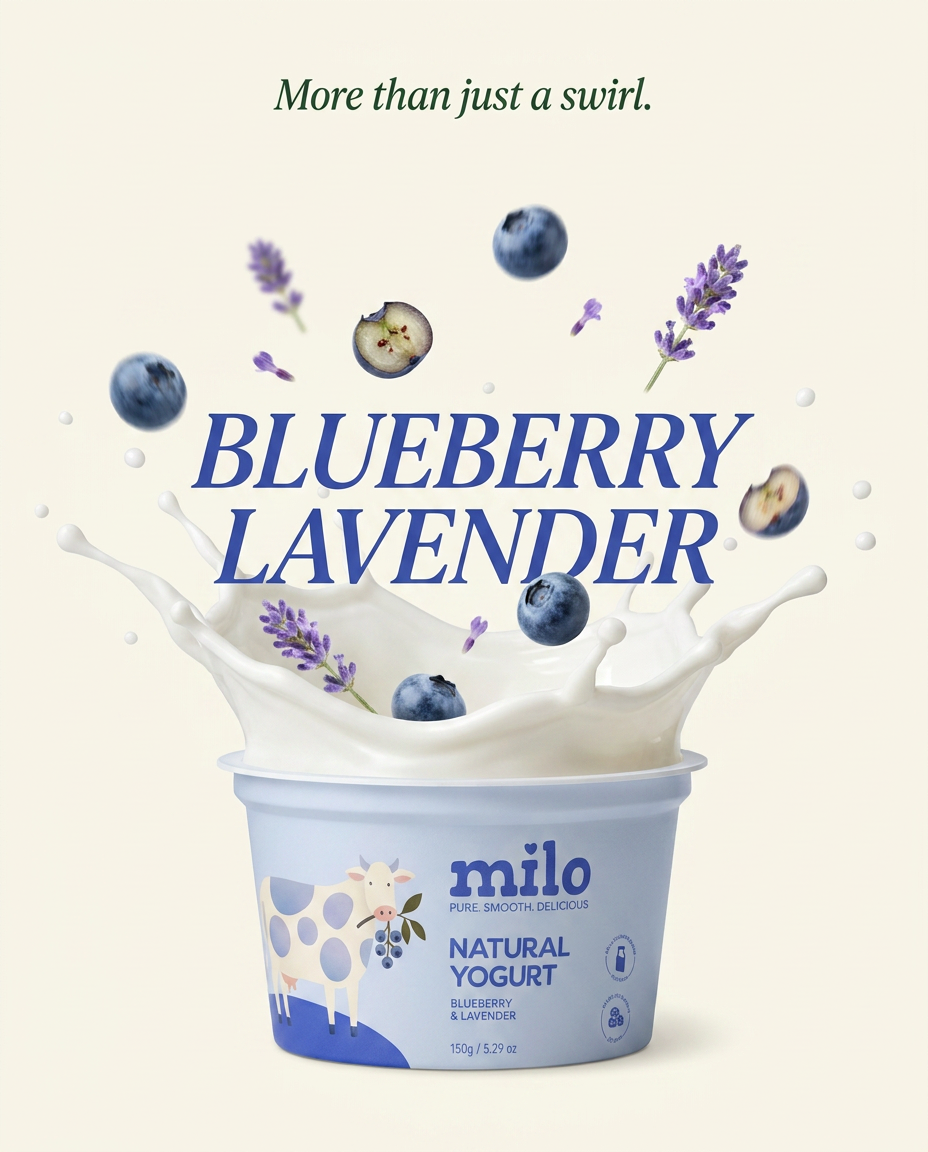
Turn any product shot into a high-end editorial ad. It places your item against a soft cream background with airy spacing and adds elegant, small serif typography at the top. Great for wellness or luxury brands wanting a calm, minimal aesthetic.
Regenerate using your own assets.
Build a system, not a one-off trick
The real power of this approach isn't in making one perfect QR code. It's about building a repeatable system for all your future campaigns. Because the process is anchored by your Brandkit and a simple workflow, you can generate consistent, on-brand QR codes for every new product launch, event, or social media campaign.
This turns your QR codes into a recognizable part of your brand identity. When customers see a QR code with your distinct colors and style, they know it's you. It stops being a random black-and-white box and becomes a reliable, interactive brand touchpoint. This is how you move beyond one-off AI tricks and build a scalable production system for assets that perform. While some tools focus on generating a single image, MyUP focuses on creating a consistent brand system. For more on this, see our guide on moving beyond AI logo generators to a full brand system.
Use the workflow below to create versatile, minimalist posters that can be adapted for any campaign, ensuring your on-brand QR code always has a professional home.
Workflow code: #myup-k4td-9k6z
Minimalist Poster
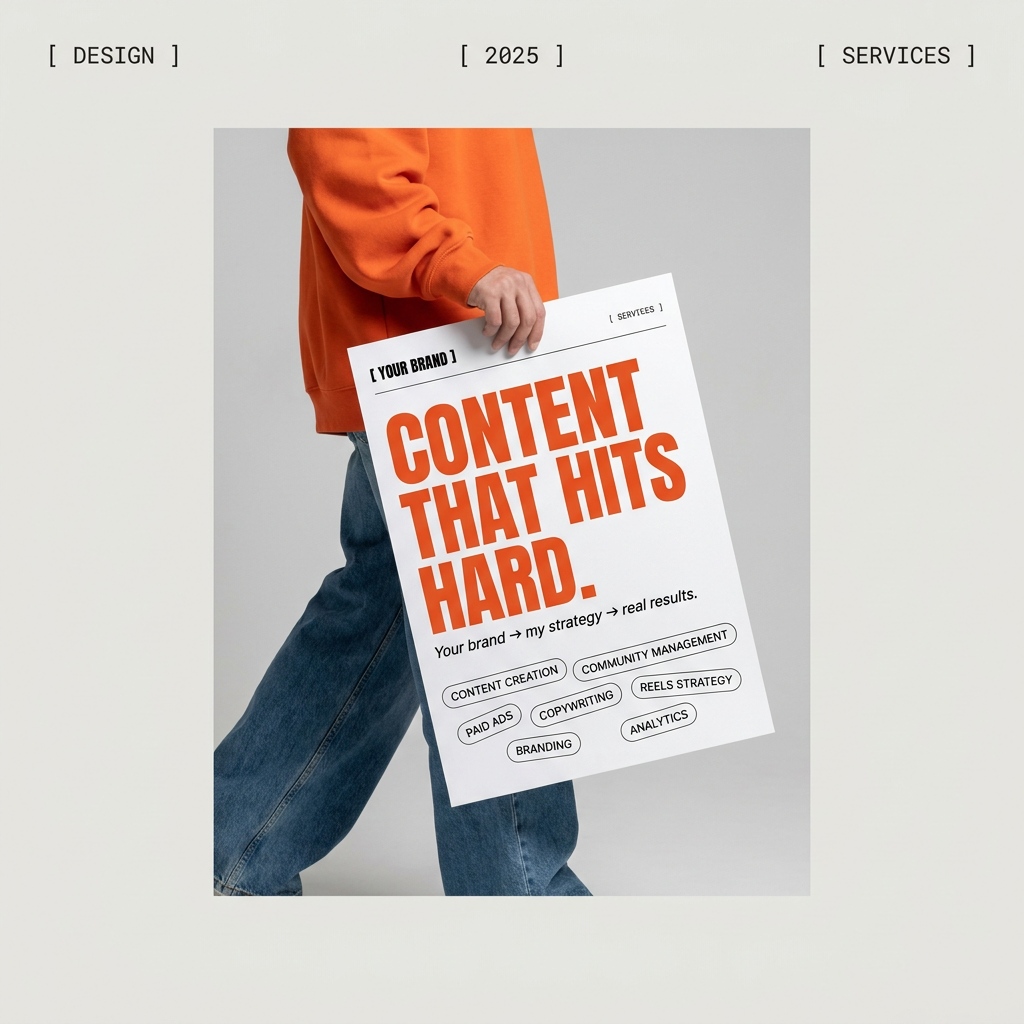
Give your social feed a clean, gallery-like aesthetic. This layout frames your images with structured mono typography and soft, neutral backgrounds for a high-end editorial look. It's perfect for minimal product launches or brand announcements.
Regenerate using your own assets.