
If you're a podcaster, you've seen the viral social media threads. The ones that map out a five-tool Rube Goldberg machine for creating your show's visuals: one tool for the cover art, another for the audiograms, a third for social templates, and two more to stitch it all together. The result is a patchwork brand that looks different on every platform.
Just this week, Adobe launched a new Firefly feature, 'Audio-to-Visualizer.' It's a great tool for one part of the problem. But it's also another subscription, another login, and another asset created in isolation from the rest of your brand. The solution isn't adding a sixth tool to the pile. It's replacing the entire messy stack with a single, unified workflow. This is how you build a real podcast brand with AI — not by creating individual assets, but by establishing a visual system that works for you automatically.
Step 1: Build your podcast's visual foundation in a MyUP Brandkit
Before you generate a single image, you need a single source of truth for your brand. In MyUP, this is your Brandkit. This isn't just a folder with your logo and hex codes; it's an active ingredient in the creation process. Getting this right is the 10-minute investment that saves you hours of corrective work every week.
Your Podcast Brandkit in MyUP should define:
- Core Assets: Your logo, wordmark, and any key icons.
- Color Palette: Your primary and secondary brand colors.
- Typography: Your specific heading and body fonts.
- Visual Style (The Key Ingredient): This is where you go beyond basic branding. You define the *feel* of your show's visuals with a style prompt. Is it 'minimalist line art illustrations with a desaturated palette'? Or 'dramatic, high-contrast photography with warm tones'?
By defining this style once, you instruct every future AI generation to adhere to the same creative direction. You're not just prompting for a picture; you're prompting for a picture that looks and feels like it belongs to your show. This Brandkit becomes the brain of your visual identity, ensuring every asset MyUP creates is automatically on-brand.
Step 2: Generate your main podcast cover art (that isn't generic)
With your Brandkit established, you can now tackle the most important visual: your cover art. There's been a breakout in searches for 'AI podcast cover generator' because most creators find that generic image tools produce soulless, forgettable options. They don't capture the show's unique personality.
Using a MyUP workflow connected to your Brandkit solves this. The AI already knows your colors, fonts, and most importantly, your defined visual style. When you ask for 'cover art for a true crime podcast,' it doesn't just give you a generic magnifying glass image. It generates concepts in your brand's specified 'moody, cinematic photography' style, incorporating your color palette.
The user validates the options; MyUP handles the production. You can run a simple workflow to generate multiple distinct concepts that are all perfectly on-brand. This template is a great starting point for creating a bold, typographic cover that stands out in crowded podcast apps.
Workflow code: #myup-n0bi-2wzk
Bold Editorial Grid Poster
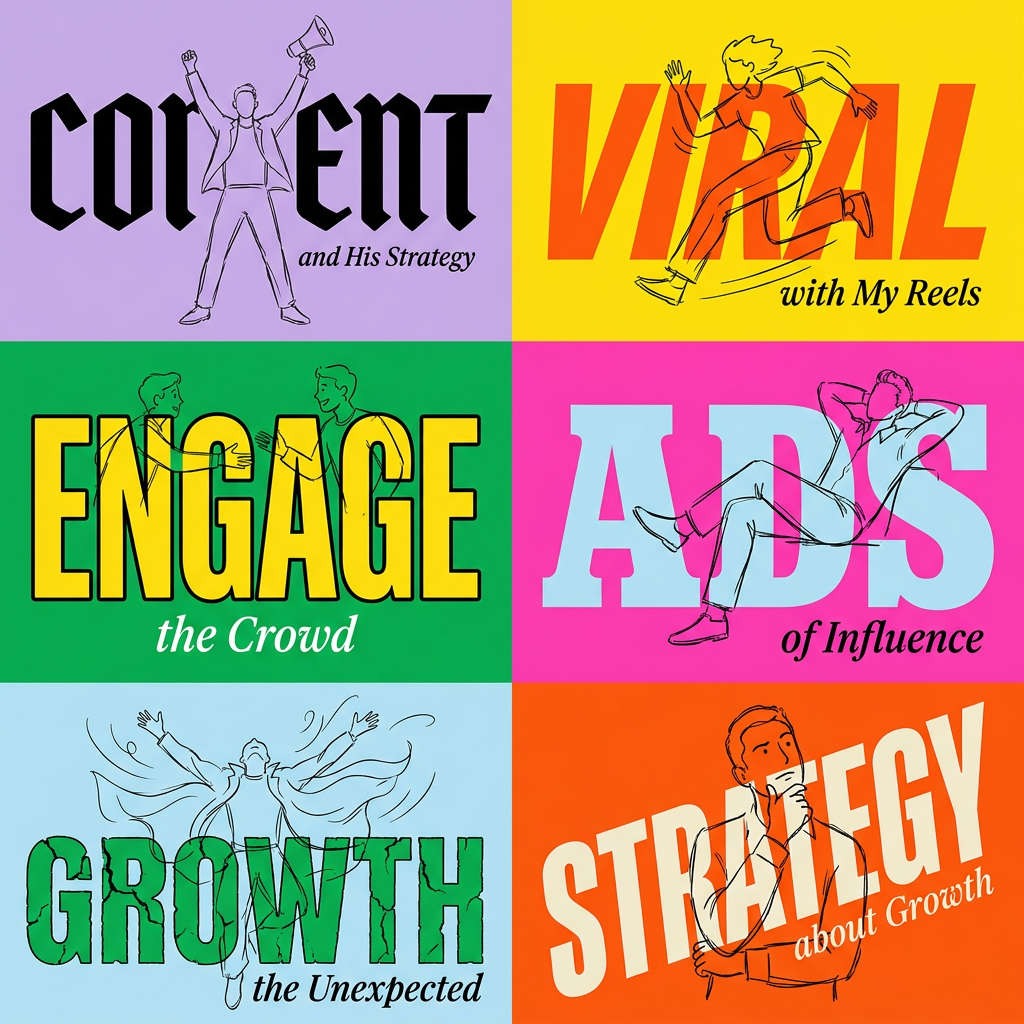
Create striking 2x3 editorial posters with six seamless, flat-color square cards in a perfect 4:5 grid. There are absolutely no gaps between the blocks, giving your content a bold, high-contrast magazine layout. It looks incredibly clean on any social feed.
Regenerate using your own assets.
Step 3: Create on-brand art for every new episode, automatically
Your main cover art is done, but the real work for a podcaster is the recurring weekly production. You need a new graphic for every episode, often featuring a guest's headshot or the episode's title. This is where brand consistency typically breaks down. Colors get mismatched, fonts are slightly off, and the style drifts.
An automated MyUP workflow eliminates this problem entirely. You can build a workflow that takes new inputs for each episode — like the episode number, title, and a guest's photo — and automatically generates a new promotional graphic. Because it pulls from your Brandkit, the layout, fonts, colors, and overall aesthetic remain perfectly consistent with your main cover art. You're not redesigning from scratch every week; you're simply populating a pre-approved, on-brand system.
This workflow is ideal for creating a templated poster format for your weekly episodes. Simply input the new episode details, and it generates a consistent, on-brand visual every time.
Workflow code: #myup-tbky-nciq
Food Brand Poster
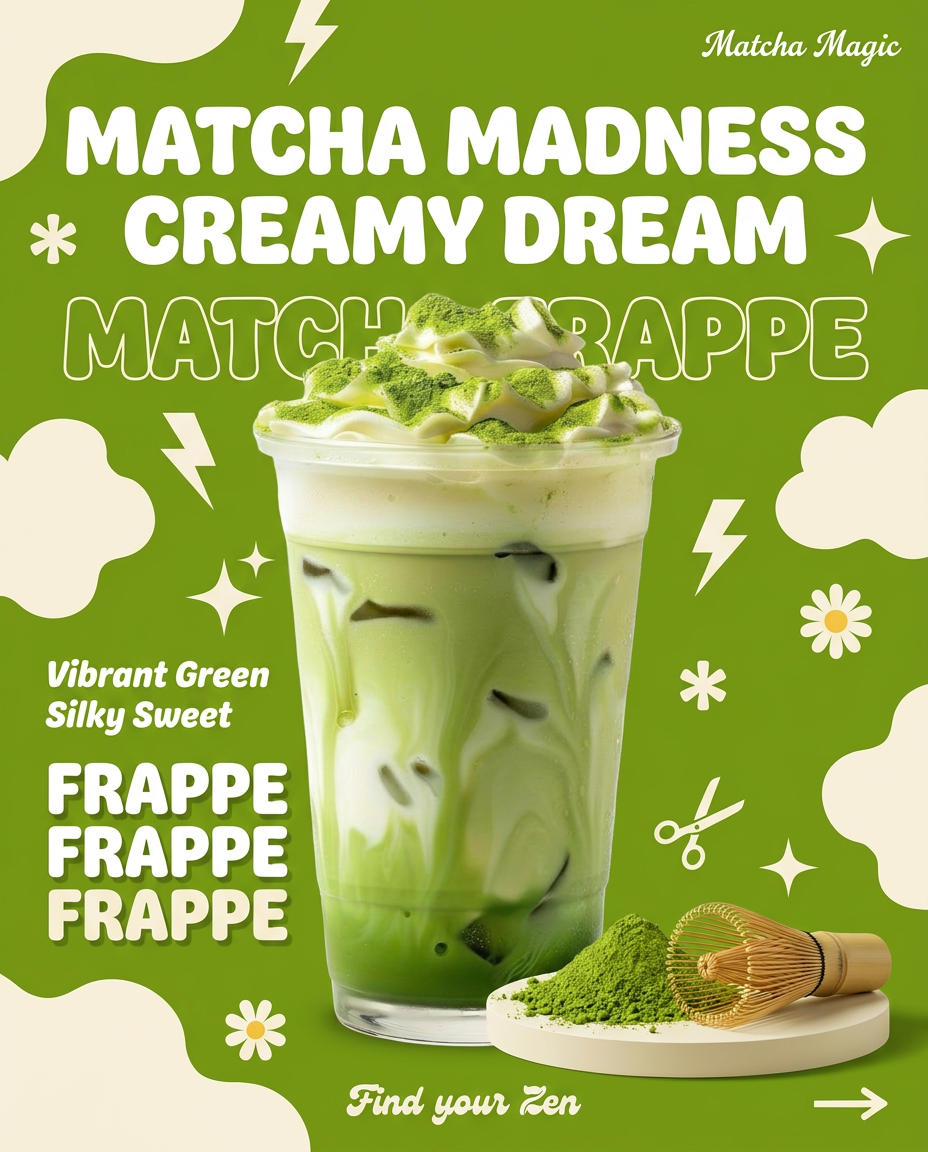
Instantly turn any food or drink product packaging into a bold, vibrant retro poster. The system automatically reads your bottle or box to grab its exact colors and ingredients, then crafts a perfectly coordinated vintage background around it.
Regenerate using your own assets.
Step 4: Turn audio clips into on-brand video promos
To promote your podcast on platforms like Instagram, TikTok, and YouTube, you need video. This is where tools like Adobe's new visualizer come in, but a standalone audiogram generator still leaves you with a disconnected asset. Does the video's background, text, and color scheme match your cover art? Usually not.
In MyUP, generating video promos is the final step in a unified system. When you create an audiogram or a video clip from your audio, the workflow automatically applies your Brandkit. The animated waveform will use your brand colors. The on-screen text for quotes or titles will use your brand fonts. The background visual can be generated using your Brandkit's defined art style, ensuring it feels like part of the same visual family as your static images.
This workflow can generate the stylized background visuals for your video clips, ensuring every frame is instantly recognizable as yours.
Workflow code: #myup-msop-hlxf
Retro Zine Style Event Poster
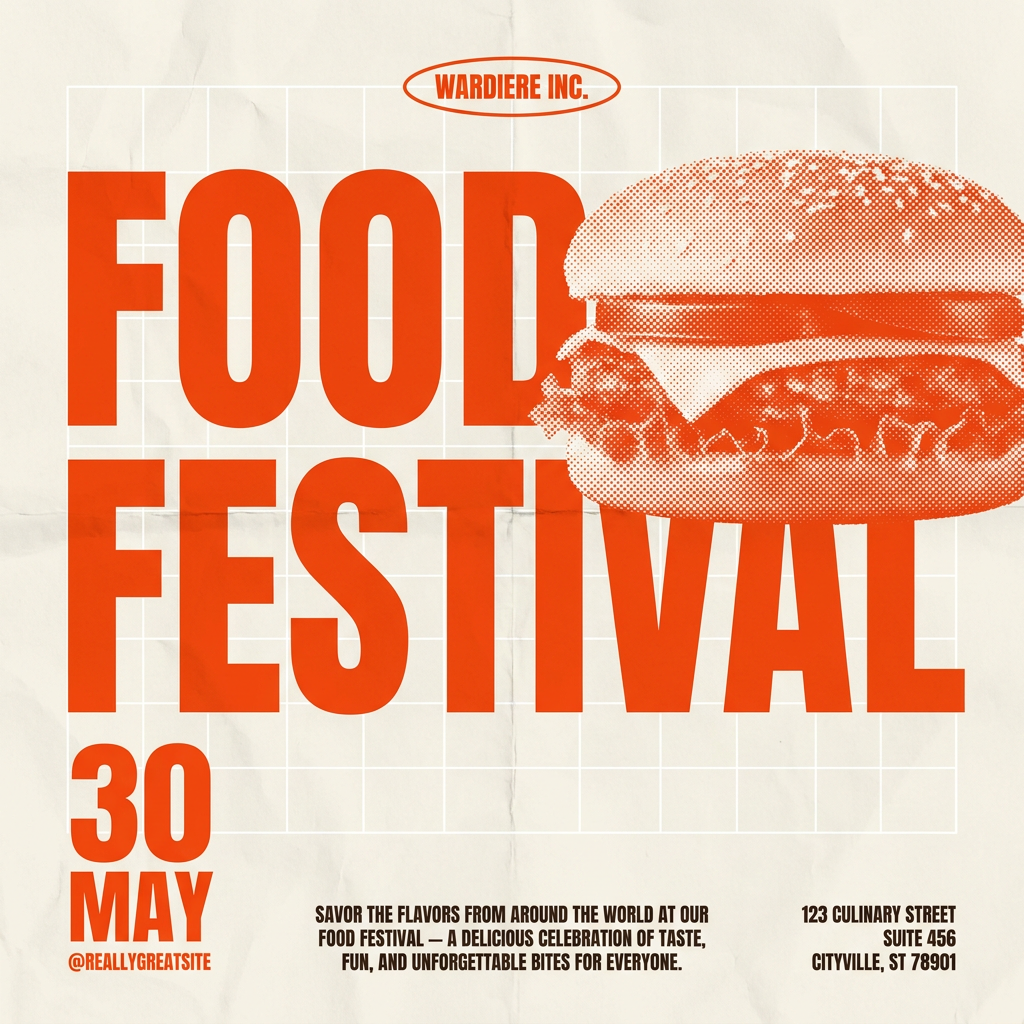
Give your social posts a gritty, analog zine aesthetic. It layers a crumpled paper texture and a subtle grid over a warm cream background to make any event graphic look like a tactile, photocopied flyer. Perfect for DIY gigs and bold promos.
Regenerate using your own assets.
Your complete podcast brand system, managed from one place
The difference is moving from an assembly line of mismatched parts to an integrated system. Instead of fighting for consistency across five tools, you're enforcing it automatically from one Brandkit. Your main cover art, weekly episode graphics, and video promos don't just share a logo; they share the same DNA. This is how you build a recognizable brand that new listeners can trust at a glance.
This system isn't just for podcasts. Once your Brandkit is set, you can apply the same one-click consistency to generate a month of on-brand social media visuals or create a set of compelling options for your YouTube thumbnails. You’ve already done the strategic work; now MyUP just executes.