If you spent any time on X this week, you probably saw that viral thread: a creator’s elaborate, multi-tool hack to build a full brand identity. They used one AI for the logo, another for the color palette, a third for mockups, and then manually stitched it all together. The post blew up because it perfectly captured a universal frustration. You don't just need a logo. You need a brand.
That search for an "AI logo generator" is a symptom of a bigger job-to-be-done. A logo file is a dead end. What you actually need is a system: a logo, a color palette, and font pairings that you can apply instantly and consistently to everything you create. A one-off generator can't give you that. An integrated workflow can. For example, once your brand is built, you should be able to create a fully on-brand social post in seconds. This workflow does exactly that.
Workflow code: #myup-kbgo-tlle
Product Brand Post
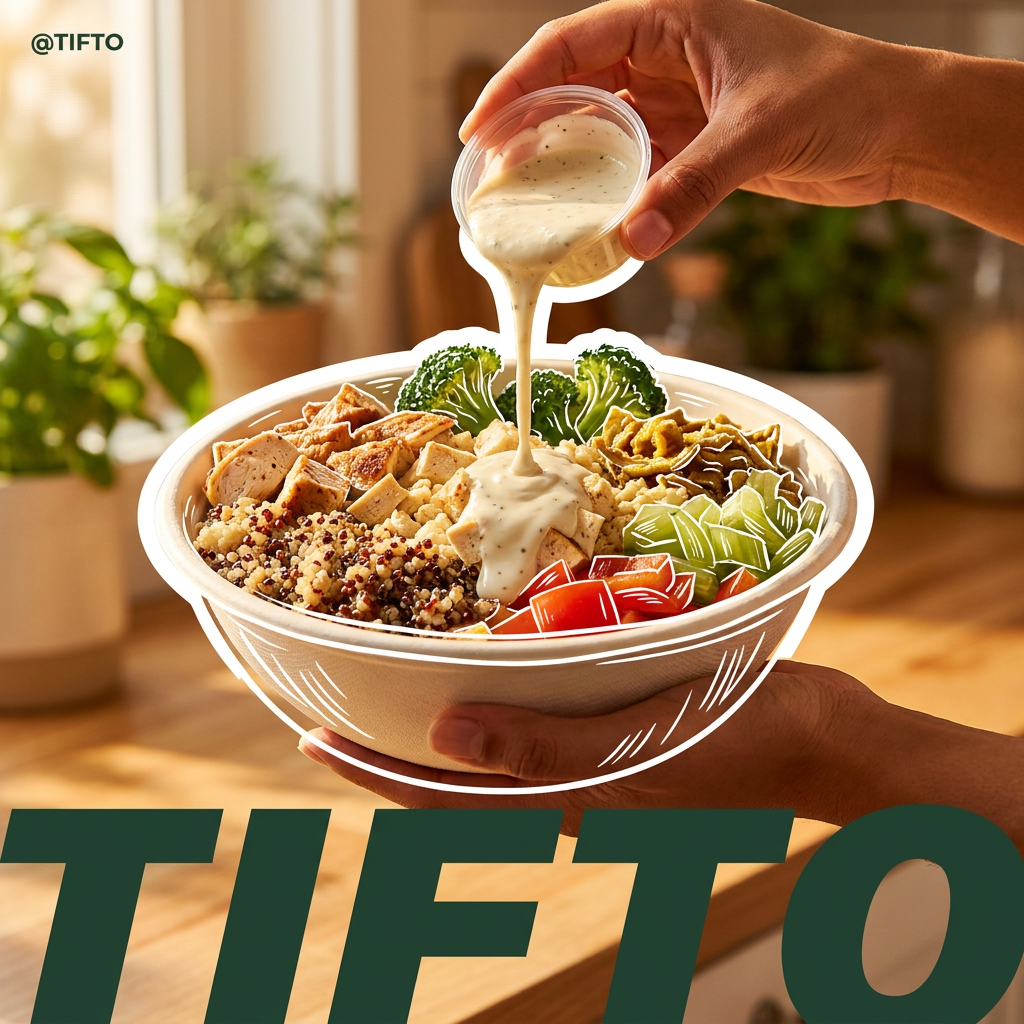
Drop in your product to generate a cohesive nine-post Instagram grid. It blends warm lifestyle photography and flat-lay packaging with bold hand-drawn doodles, collages, and urban billboard mockups. Everything automatically styles itself to your brand's colors.
Regenerate using your own assets.
Why one-off AI logo generators are a dead end for your business
Most AI logo generators are designed to produce a single, impressive-looking artifact. They’re great for a quick concept, but they fail as a foundation for a real business. The problems surface the moment you try to actually use the output.
The infamous text problem
First, there's the text. As of June 2026, even top-tier image models like Stable Diffusion 3 and Midjourney still struggle to render clean, accurate typography. You get warped letters, misspelled words, or nonsensical characters. A logo with your company name spelled wrong isn't just unusable; it's a liability. Professional work requires absolute control over text, something image models don't provide.
You get an image, not a system
Even if the generator produces a beautiful mark, what do you really have? A single, low-resolution PNG or JPG. You don't get:
- Vector files (SVG, EPS): Essential for resizing your logo for everything from a tiny favicon to a giant billboard without losing quality.
- A defined color palette: You're left using a color-picker tool to guess the hex codes, hoping for consistency.
- Font pairings: The generator doesn't tell you which headline and body fonts will complement your logo and create a cohesive visual identity.
- A style guide: There are no rules for how to apply your new brand.
You’ve paid (with your time or money) for a single asset that immediately creates more work. You're back to the manual hack from the viral thread: trying to reverse-engineer a brand system from a single, isolated image file.
The workflow: build a complete brand identity from one prompt
The alternative is to treat brand identity as the starting point, not an afterthought. Instead of generating a single image, you generate a complete system. In MyUP, this is done with a Brandkit. It's a visual identity—logo, colors, fonts, and style—built once and reused automatically every time you create.
The process is built to be the opposite of the multi-tool hack. You provide a single input, and MyUP generates the entire system. You have two options:
- From a URL: If you have an existing website, MyUP can scan it to extract your current logo, color palette, and fonts, building the Brandkit automatically.
- From a text prompt: If you're starting a new brand, you describe it. For example: "A brand for an artisanal coffee roaster named 'Velo Coffee'. The style is minimalist, modern, and slightly rustic. Use a muted color palette of earth tones."
MyUP doesn't just generate a static image. It creates a full, ready-to-use brand system:
- Logo variations: Multiple logo options to choose from, which you can then refine.
- Color Palette: A primary and secondary set of colors, complete with their hex codes.
- Font System: Recommended pairings for headings and body text that match your brand's aesthetic.
The entire process is designed for human control. The AI executes the initial production, but you validate and adjust the results to get them exactly right. Once saved, this Brandkit becomes the engine for all your future content. You can learn more about this approach in our guide to creating a complete brand kit with AI.
Your new brand is ready. Now put it to work.
This is where the real value becomes clear. A Brandkit isn't a folder of assets you download. It's a live component within your workspace that automatically applies itself to any content you generate.
When you run a workflow to create a social post, an ad, or a product mockup, MyUP already knows your brand. Your logo is placed correctly. Your brand colors are the default palette. Your brand fonts are used for all text. There is no manual setup.
For example, you can go from a brand new identity to a sheet of on-brand product stickers in about a minute. This workflow uses your active Brandkit to generate a set of unique, die-cut style stickers for your product.
Workflow code: #myup-swqt-4zo3
Product Stickers
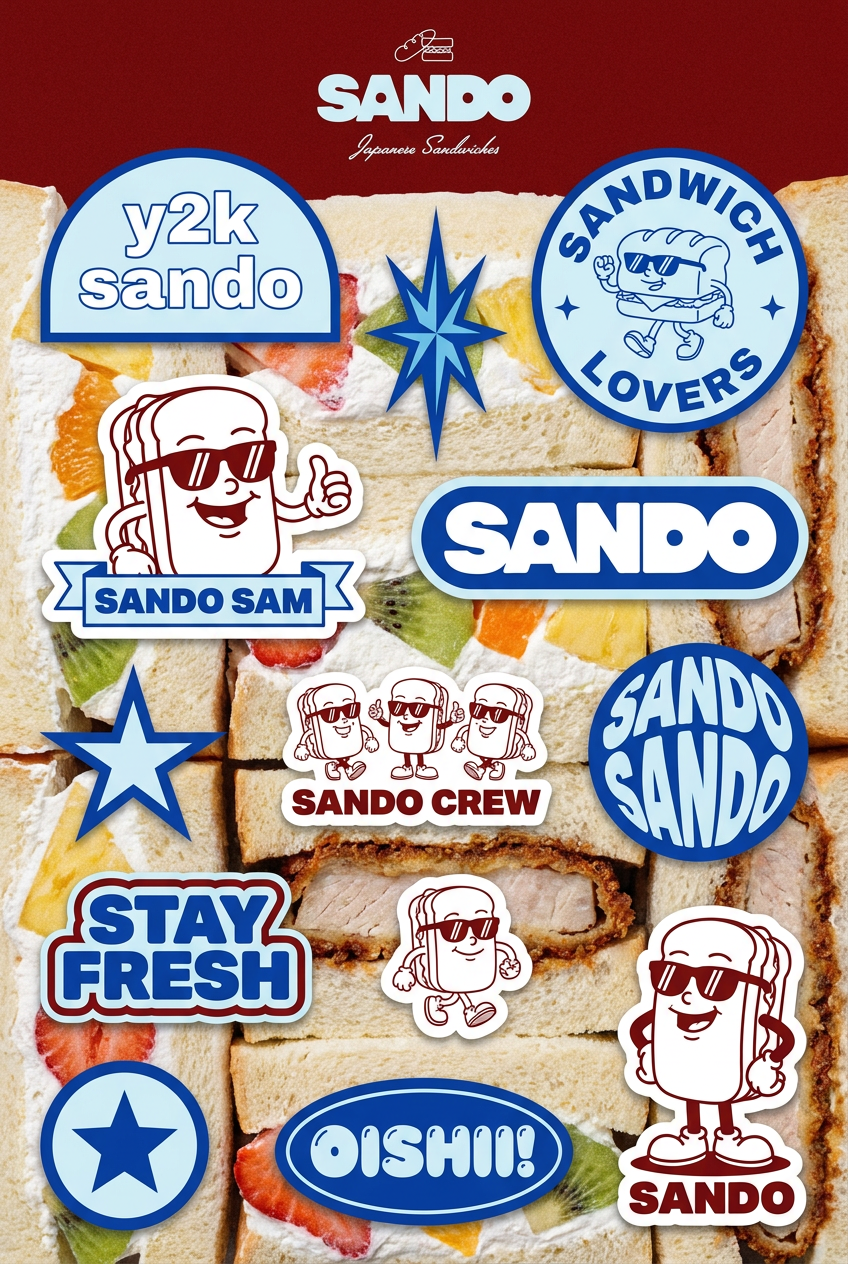
Turn your logo into a nostalgic, vibrant Y2K-style vertical ad. It automatically pulls your brand colors to create matching sweet treats like custom donuts or cupcakes in the background, giving you a super playful retro-pop aesthetic.
Regenerate using your own assets.
This closes the loop. You're not just creating a brand; you're creating content with that brand, instantly. The time saved isn't just in the initial logo design; it's in every single piece of content you produce from that day forward.
A brand system pays for itself in speed and consistency
Let's contrast the two approaches. The 'logo generator' path gives you a single file and leaves you to figure out the rest. The result is inconsistency, hours wasted in Canva trying to match colors, and a brand that looks slightly 'off' across different platforms.
The brand identity system path creates a foundation that automates consistency. It turns brand guidelines from a theoretical PDF into a practical, automated function. This is the core difference between using a simple tool and adopting a professional workflow. The goal of AI shouldn't be to just give you a disconnected asset; it should be to automate the system of production itself.
For founders and marketers, this means you can establish a professional, consistent brand presence in a fraction of the time and cost of traditional methods. You can ensure that every ad, social post, and visual tells the same coherent story. This level of workflow-driven consistency is what separates amateur content from a professional brand. It’s a strategic choice that pays dividends in speed, quality, and brand recognition.
Stop generating files. Start building your brand engine.
The search for a quick logo is understandable, but it solves the wrong problem. A brand is more than a mark; it's a system for communication. By focusing on building that system first, you equip yourself with an engine for content production, not just a single image file. The next time you need to create content, your brand will already be there waiting for you.