You've spent hours generating the perfect burger shot, but after upscaling it with a tool like Magnific AI, it looks… plastic. The cheese is waxy, the bun has an artificial sheen, and the whole image feels sterile. The appetite appeal is gone, replaced by a strange, hyper-detailed but unappetizing finish. This is a common frustration for restaurants, food bloggers, and marketers trying to use AI for commercial visuals.
As of September 2026, this 'plastic food' problem is a major bottleneck. The issue isn't your prompt; it's the objective of the tools you're using. This guide diagnoses the problem and provides a practical production method for creating genuinely mouth-watering food photos that sell.
You've spent hours generating the perfect burger shot, but after upscaling it with a tool like Magnific AI, it looks… plastic. The cheese is waxy, the bun has an artificial sheen, and the whole image feels sterile. The appetite appeal is gone, replaced by a strange, hyper-detailed but unappetizing finish. This is a common frustration for restaurants, food bloggers, and marketers trying to use AI for commercial visuals.
As of September 2026, this 'plastic food' problem is a major bottleneck. The issue isn't your prompt; it's the objective of the tools you're using. This guide diagnoses the problem and provides a practical production method for creating genuinely mouth-watering food photos that sell.
The diagnosis: Why detail-enhancers create unappetizing food
Generic AI image generators and detail-enhancers like Magnific AI are engineered for one primary goal: maximizing technical sharpness. They analyze an image and add as much fine-grained detail as possible across every pixel. For hard surfaces like architecture or electronics, this can be incredible. But for organic subjects like food, it's a recipe for disaster.
Food's appeal comes from a complex interplay of textures—soft, crispy, juicy, glistening, melting. When an upscaler applies a uniform 'sharpen everything' logic, it treats a soft bread bun like a rock and a glistening sauce like a layer of varnish. It doesn't understand 'appetite appeal'; it only understands 'detail.' The result is an image that is technically sharp but sensorially wrong. This 'plastic' problem isn't unique to food; similar issues arise when creating realistic product photos or trying to fix warped logos on AI-generated clothing.
The three elements of appetite appeal that generic AI gets wrong
To fix the problem, we first need to understand the specific elements that make a food photo look delicious. Generic AI tools typically fail on three key fronts:
- Texture: They create a uniform, waxy smoothness instead of capturing the contrast between a crispy, craggy fried chicken crust and a juicy interior. They struggle to render the delicate flakiness of a croissant or the imperfect melt of real cheese.
- Lighting: Many users default to prompts like "studio lighting," which often results in a harsh, sterile light that flattens texture. Professional food photography relies on soft, directional light (like "soft morning window light") to create gentle shadows that define form and make food look three-dimensional and inviting.
- Dynamics: The most appetizing food photos feel alive. They capture wisps of steam rising from a hot coffee, the slow drip of honey, or the glisten of olive oil. Most AI tools produce static, frozen-in-time images that lack this crucial element of freshness and energy.
The method: A production process for mouth-watering food photos
Instead of trying to force a generic tool to understand the nuances of food, you need a creative production process designed for the intended result. MyUP, the Creative Production Platform, isn't about generating raw images you have to fix later. It's about turning your intention—'I want a high-converting ad for my new gourmet burger'—into a finished, publish-ready creation.
The method involves three simple steps that shift your focus from technical prompting to creative direction.
Step 1: State your creative intention (not just a prompt)
Your journey on MyUP starts not with a simple description, but with your goal. There's a fundamental difference between telling an AI "a photograph of a burger on a plate" and stating your creative intention: "an irresistible, high-impact lifestyle photo of someone enjoying my burger for a social media ad."
The first is a description that leads to a generic image. The second is a commercial goal that requires specific creative choices about mood, composition, and human interaction. MyUP is built to understand and execute on that intention, handling the complex technical production required to achieve it.
Step 2: Use a creative template built for appetite appeal
This is the core of the solution. MyUP's creative templates are not just prompts; they are complete production packages built by top creators who have already solved the 'plastic food' problem. These templates have the right lighting, texture models, and compositional knowledge baked in.
For instance, if you want a messy, realistic close-up that feels like a premium lifestyle campaign, you can instantly use a template designed for that exact feeling. No more wrestling with prompts to get a natural expression or a believable bite mark.
For a different style, like a dynamic, high-fashion editorial shot for your gourmet fries, you can use a template like Vertical Gourmet French Fry Ad (Template: #myup-fts6-4ihp). It uses a specific overhead angle and diagonal layout to create depth and texture, making the product look incredibly premium without any extra effort from you.
Vertical Gourmet French Fry Ad
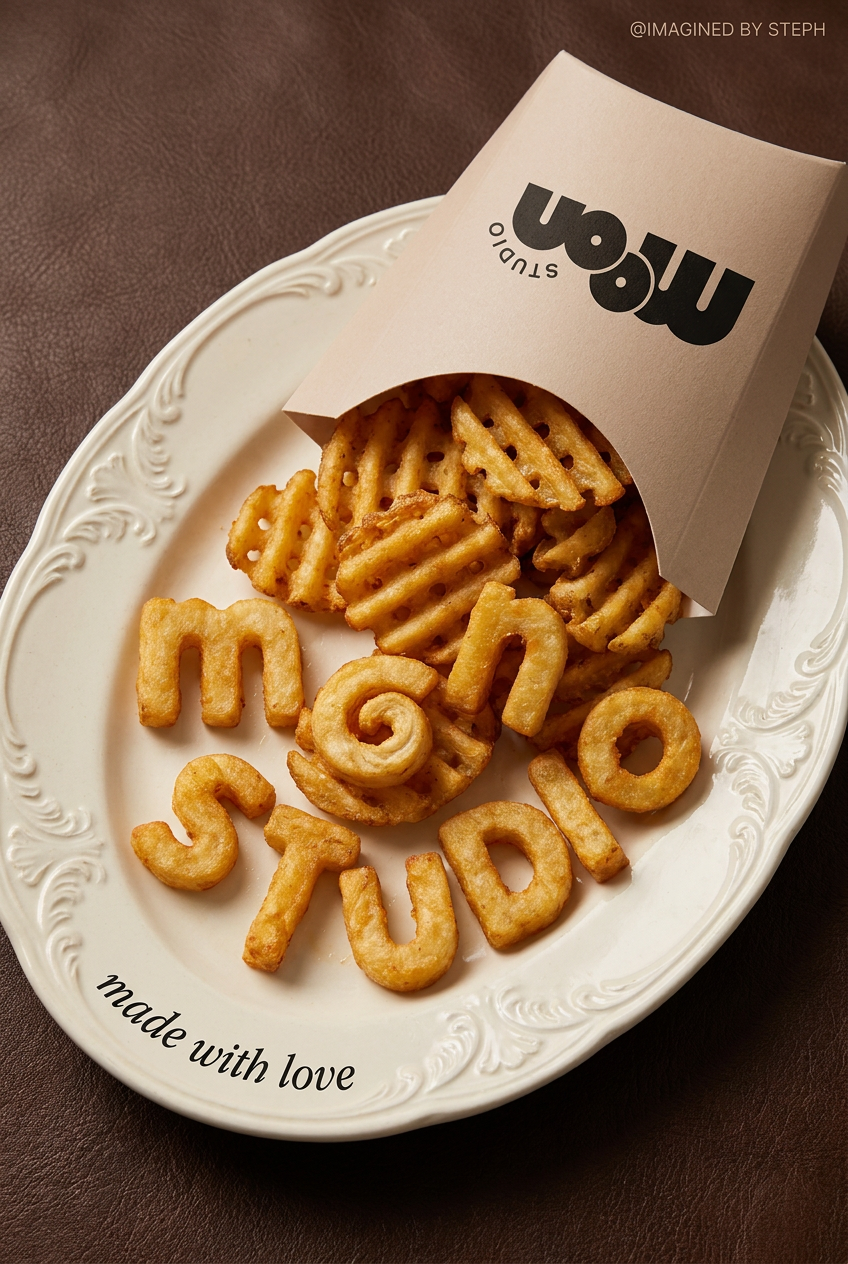
Transform your products into high-fashion editorial ads. This setup uses a dynamic diagonal layout and a slightly tilted overhead angle to give food and packaging incredible depth and texture. It's perfect for giving any brand a chic, premium look.
Regenerate using your own assets.
Step 3: Apply your brand identity for a finished creation
A beautiful image is not a finished marketing asset. It needs to be on-brand and ready to publish. MyUP completes the creation process by integrating your visual identity seamlessly. After generating the perfect shot, you can use your saved Brandkit—which stores your logo, brand colors, and fonts—to instantly apply them.
This means your final image is not just an appetizing photo; it’s an ad, a menu update, or a social post that is 100% consistent with your brand. This capability extends beyond static images. For a high-end beverage or sauce, you can use a video template to create a cinematic commercial spot. For example, a template like Luxury Perfume Brand Commercial Video (Template: #myup-mvtk-dmtt) can be adapted to give your food product that same iconic, golden-hour glow, delivering a finished video ad ready for your campaign.
Luxury Perfume Brand Commercial Video
Capture a cinematic glow that makes any subject look like a brand icon. This process blends a sharp, low-angle still with a fluid motion sequence to turn your product into the star of a golden hour commercial.
Regenerate using your own assets.
To get a high-impact shot of someone enjoying your food, perfect for a lifestyle ad, you can use a specialized template like Bold Portrait Food Advertising Photo (Template: #myup-xjsb-hirr). It delivers a finished, on-brand result from the start.
Bold Portrait Food Advertising Photo
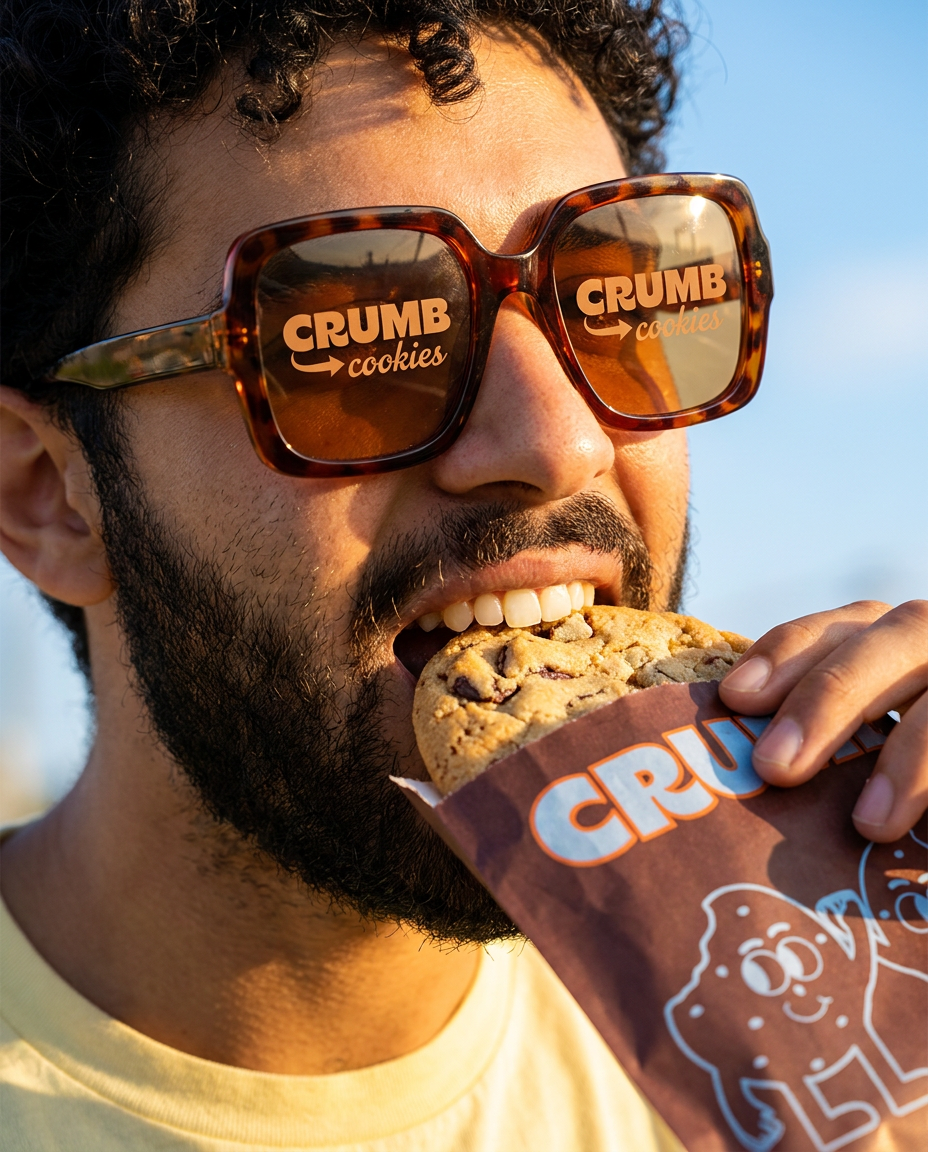
Get those high-impact, tight action shots of people actually enjoying your food brand. It drops your product right into a messy, realistic close-up bite shot that feels like a premium lifestyle campaign instead of a boring studio packshot.
Regenerate using your own assets.
Stop fixing, start creating: Your menu photos should sell
You can spend hours fighting with generic AI tools, trying to fix waxy textures and sterile lighting with complex prompts and post-production work. Or you can start with a platform that is designed to produce the finished result you actually want.
Great food photography isn't about maximum detail; it's about appetite appeal. MyUP is the creative production platform that understands this distinction. It turns your intention into a studio-quality, commercially effective creation that makes people hungry. Stop fixing, and start creating visuals that sell. Try MyUP today and make your unimaginable food photography possible.