The 'pasted on' problem: Why your AI product photos fall flat
You've seen it. That all-too-common visual glitch where a perfectly good product photo, when placed on an AI-generated background, just looks… off. It's the dreaded 'pasted on' effect. On Reddit forums, e-commerce owners and marketers are vocalizing their frustration: mismatched lighting, shadows that don't quite connect, and reflections that defy physics. It's a persistent problem that undermines credibility and makes your brand look less professional. What's worse, many solutions involve wrestling with complex tools like Photoshop or diving deep into ComfyUI nodes, turning a simple creative intention into a technical nightmare.
The goal isn't to become a master of obscure AI parameters; it's to get a finished, studio-quality product photo that converts. If your AI-composited product images are falling flat, chances are they're suffering from one of three core failures: physics, aesthetics, or brand consistency. Let's diagnose these issues and then look at a practical production method that solves them all.
The human eye is incredibly sensitive to visual inconsistencies, especially when it comes to how light behaves in the real world. When you combine a real product shot with an AI background, the most common giveaway that something isn't right is a failure of physics. This manifests in several ways:
- Mismatched Lighting: The light source on your product (direction, color, intensity) doesn't align with the light in the AI-generated scene. A product shot under soft studio lights will look out of place in a scene lit by harsh midday sun.
- Incorrect Shadows: Shadows are complex. They need to be the right length, angle, softness, and color. Crucially, a 'contact shadow' (the subtle, dark area where an object meets a surface) is often missing or unrealistic in AI composites, making the product appear to float.
- Absent or Incorrect Reflections: If your product has reflective surfaces (glass, metal, polished plastic), it needs to reflect its environment. A product in a lush garden scene should show subtle green hues or blurred foliage in its reflections, not just a generic sheen.
Manually correcting these elements in traditional editing software is time-consuming and requires an expert eye. It's precisely this complexity that MyUP was built to abstract away, handling the intricate physics of light and shadow automatically to create a cohesive, realistic image.
Beyond technical flaws, many AI product photos simply lack originality. The internet is awash with generic AI backgrounds: marble countertops, silk drapes, minimalist white voids. While clean, these scenes quickly become indistinguishable, failing to capture attention or convey a unique brand story. This 'aesthetic failure' is a direct result of relying on basic text prompts that yield predictable, uninspired visuals.
Your product deserves a setting that enhances its appeal, not one that makes it blend into the digital noise. To stand out, you need art-directed scenes that are unique and engaging. This means moving beyond simple background generation to a system that can interpret and realize specific creative intentions, ensuring your visuals are memorable.
For instance, if you're looking for a clean, impactful presentation that lets your product speak for itself, consider a template designed for striking simplicity. Template: #myup-sygb-rhnt (Minimalist Vertical Product Advertising Poster) delivers a pure, seamless white background with a dynamic vertical flow, perfect for showcasing your item without distraction.
Minimalist Vertical Product Advertising Poster
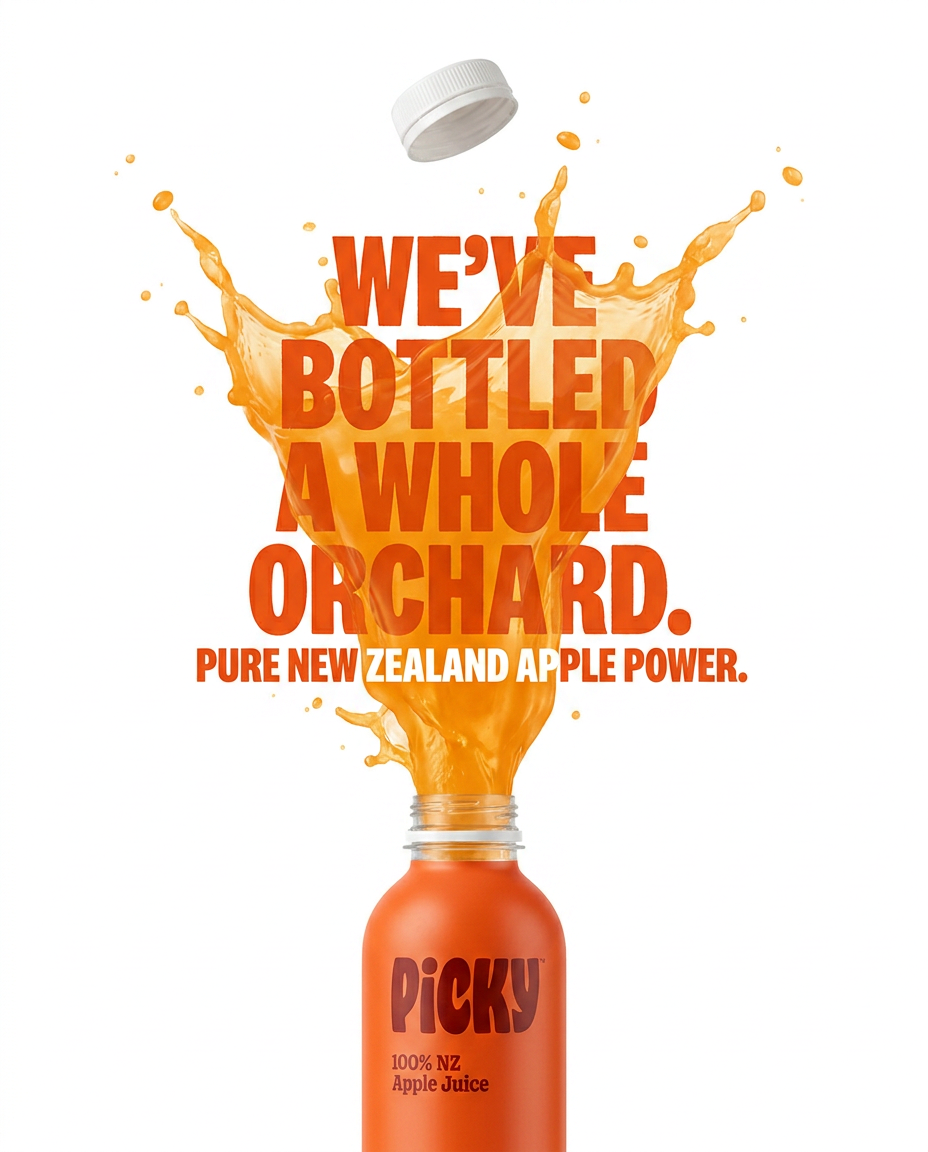
Drop the clutter and put your product in the spotlight. This setup places your item against a pure, seamless white background with a striking vertical flow that draws the eye straight up. It's perfect for creating clean, high-end studio posters.
Regenerate using your own assets.
The final, and perhaps most critical, failure point for many e-commerce brands using AI for product visuals is a lack of brand consistency. You might generate a beautiful image for one product, but then struggle to replicate that exact style, color palette, or mood across your entire catalog or subsequent campaigns. This leads to a fragmented visual identity, confusing customers and diluting your brand message.
Traditional AI tools often treat each image as a standalone creation, making it difficult to enforce a cohesive look. This is where a dedicated creative production platform becomes essential. A consistent visual language, from color temperature to typography, is paramount for building recognition and trust. Without it, your product visuals, no matter how individually appealing, will fail to form a strong, unified brand presence.
Ensuring every visual aligns with your brand's specific aesthetic is crucial. For a sophisticated, high-end look, you might use a template like: #myup-fy77-jljs (Minimalist Elegant Product Advertising Poster). This template places your product against a soft cream background with elegant typography, ideal for luxury or wellness brands seeking a polished print aesthetic.
Minimalist Elegant Product Advertising Poster
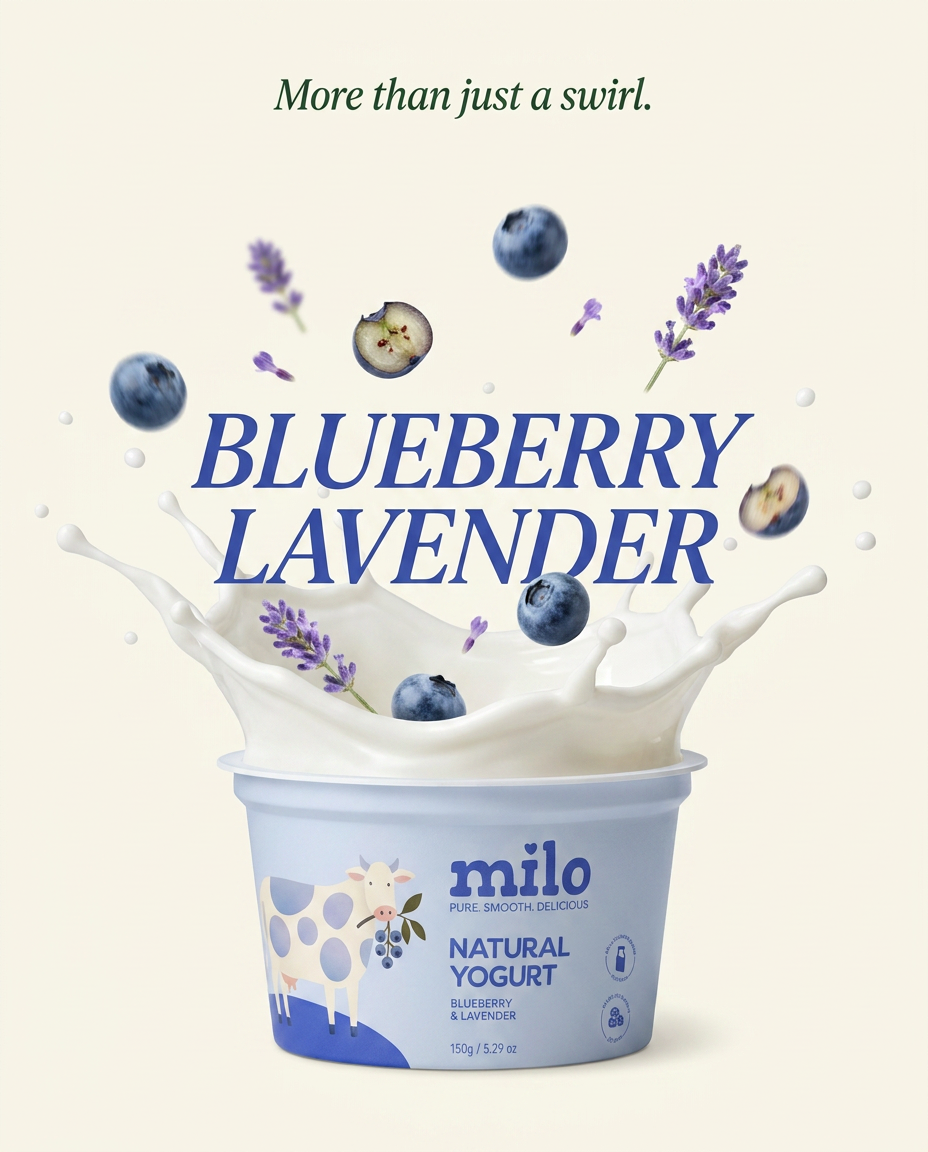
Turn any product shot into a high-end editorial ad. It places your item against a soft cream background with airy spacing and adds elegant, small serif typography at the top. Great for wellness or luxury brands wanting a calm, minimal aesthetic.
Regenerate using your own assets.
MyUP is designed to bridge the gap between your creative intention and a finished, professional visual, specifically addressing the physics, aesthetic, and brand consistency issues we've discussed. Instead of struggling with complex software or generic AI generators, you describe what you want to achieve, and MyUP handles the technical production from A to Z.
Here's how MyUP transforms a single product photo into a realistic, on-brand, and scalable creative asset:
The first step is straightforward: upload your product photo. For best results, use a clean shot of your product on a neutral background. The real power comes next: defining your Brandkit. MyUP's Brandkit is your brand's visual DNA—colors, fonts, logo, and overall style. You build it once, typically by providing your website URL, and MyUP automatically extracts and saves these elements. This Brandkit is then applied to every subsequent creation, guaranteeing visual consistency across all your marketing materials. This eliminates the 'brand failure' problem from the outset, ensuring every image, regardless of the scene, speaks in your brand's voice. For a deeper dive into establishing your visual identity, read our guide on how to create on-brand AI thumbnails.
Forget prompt engineering. With MyUP, you articulate your creative intention in natural language. Do you want a 'studio shot for my new skincare product,' or 'a vibrant lifestyle scene for my organic coffee beans'? MyUP interprets this intention and translates it into a detailed production plan, automatically managing elements like lighting, shadows, and composition to ensure realism.
This approach moves beyond simple background replacement. MyUP understands the nuances of how light falls on objects, how shadows ground them, and how reflections integrate them into a scene. For example, if you want a bold, high-energy advertisement, you might choose a template that automatically reads your product's packaging to pull out dominant colors and text. Template: #myup-zpby-tzie (Minimal Vibrant Product Advertising Poster) does exactly this, creating a dynamic, color-coordinated poster that feels custom-made.
Minimal Vibrant Product Advertising Poster
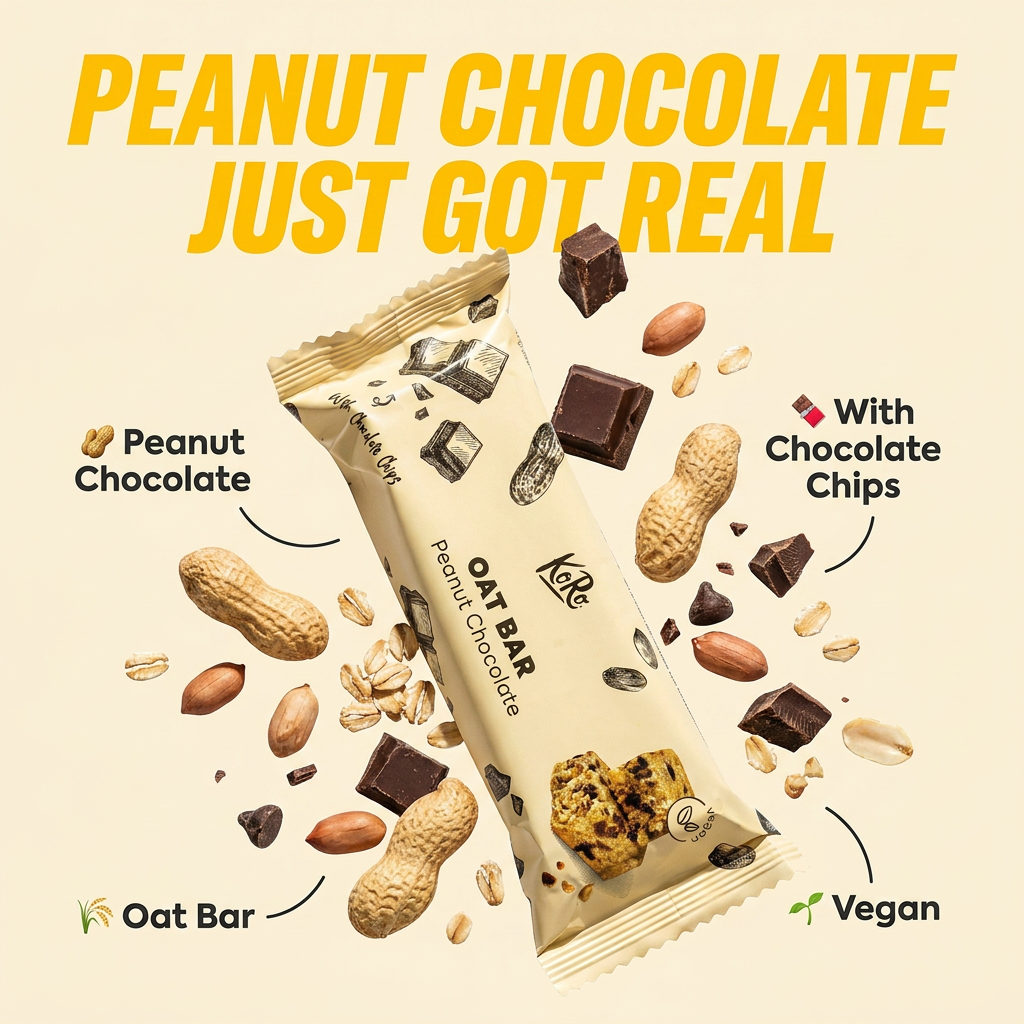
Drop in any product shot and watch it turn into a bold, high-energy square ad. It automatically reads your packaging to pull out the dominant colors and text, then builds a vibrant poster styled perfectly around your brand.
Regenerate using your own assets.
MyUP doesn't just deliver a single image; it produces a complete set of finished creations ready for publication. This can include hero shots, lifestyle scenes, social media variations, and even short animations—all consistent with your Brandkit and creative intention. This scalability is crucial for e-commerce brands needing to generate a high volume of diverse visuals quickly, without sacrificing quality or consistency.
For a comprehensive campaign, you can leverage templates designed to produce a full suite of visuals from one product image. Consider using a template like: #myup-vccl-cyv5 (Luxury Skincare Product Ad Campaign). This template generates a four-step advertising set, including a clean studio hero shot, an elegant lifestyle scene, a macro product detail, and a vertical social media image, ensuring every visual aligns with a luxury aesthetic.
Luxury Skincare Product Ad Campaign
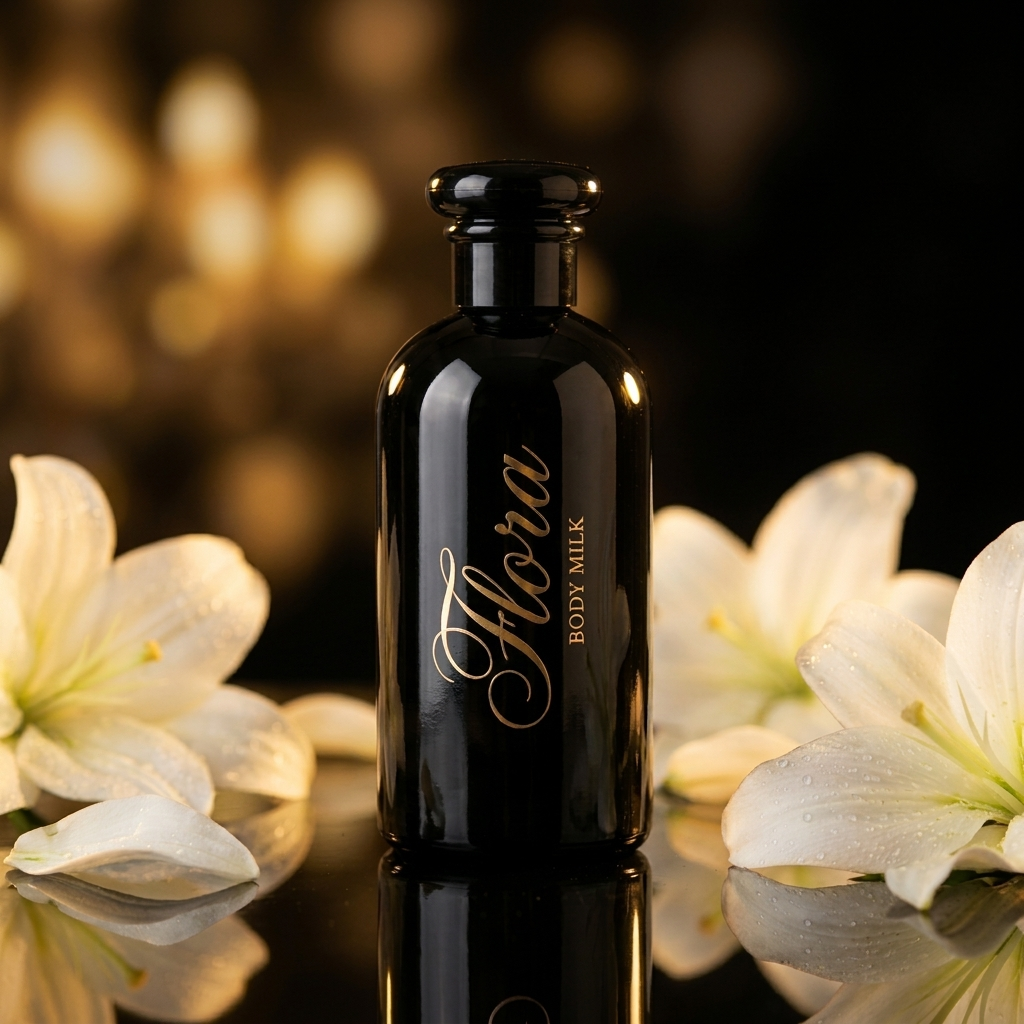
Create a polished luxury advertising set from a single beauty product image. This reusable 4-step workflow generates a clean studio hero shot, an elegant lifestyle scene, a macro product detail and a vertical social media composition while preserving the visual identity of the uploaded product. Designed for skincare, cosmetics and premium beauty products.
Regenerate using your own assets.
Moving from generator to production platform
The era of AI image generators that produce visually appealing but ultimately fake-looking product photos is over. E-commerce success hinges on trust and visual appeal, and a 'pasted on' product undermines both. The challenge isn't just about combining a product with a background; it's about mastering the physics of light, creating unique aesthetics, and maintaining unwavering brand consistency. While complex tools like Photoshop and ComfyUI offer granular control, they come with a steep learning curve and demand significant time investment.
MyUP offers a different path. It's a creative production platform built for the entrepreneur, marketer, and small business owner who needs studio-quality results without the technical overhead. You bring the product and the intention; MyUP handles the entire production process, delivering finished creations that are realistic, on-brand, and ready to publish. Stop wrestling with sliders and layers, and start making your unimaginable possible.