That viral 'phone pic to hero shot' trick isn't magic. It's a workflow.
If you’ve been on X or TikTok in the last 48 hours, you’ve seen it: a dimly lit, slightly sad photo of a burger taken on a phone, instantly transformed into a stunning, mouth-watering hero shot worthy of a magazine cover. With the release of new AI models in June 2026 that achieve unprecedented photorealism, this trick has exploded.
This isn't a filter or a simple edit. It’s a powerful new workflow that lets anyone create professional food photography without a studio, a pro camera, or a lighting rig. For restaurants, food bloggers, and CPG brands, this changes the game, replacing thousand-dollar photoshoots with a repeatable, on-demand process.
Great food photography is no longer about the camera; it's about creative direction. AI provides the virtual studio, but you need a workflow to get delicious results every time. This guide breaks down the exact steps. To execute it immediately, use this MyUP workflow.
Workflow code: #myup-xjsb-hirr
Bold Portrait Food Advertising Photo
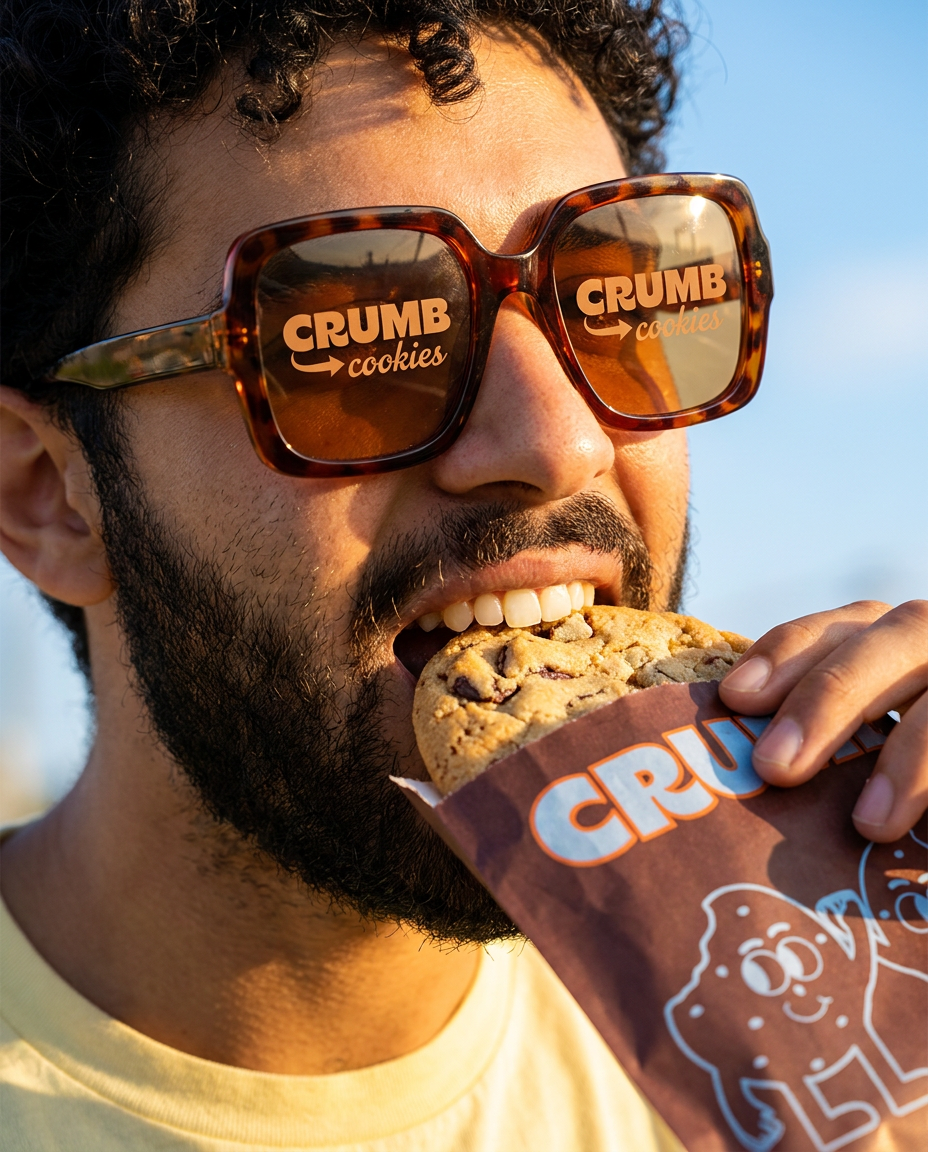
Get those high-impact, tight action shots of people actually enjoying your food brand. It drops your product right into a messy, realistic close-up bite shot that feels like a premium lifestyle campaign instead of a boring studio packshot.
Regenerate using your own assets.
Step 1: Capture the subject, not the scene
The magic of this workflow is that your source photo doesn't need to be perfect. In fact, its only job is to provide the AI with a clear, well-defined image of your food item. Forget about the messy table, the bad lighting, or the cluttered background. The AI will replace all of it.
Focus on getting a clean shot of the food itself. Think of it as a passport photo for your dish. Here’s a simple checklist for your 'before' shot:
- Clear Subject: The food item should be in sharp focus. Tap your phone screen on the main part of the dish to set the focus point before you shoot.
- No Major Obstructions: Don't have a fork, a hand, or a stray napkin covering a significant part of the food. The AI needs to see the whole subject to reimagine it.
- Decent Angle: A 45-degree angle or a direct top-down shot usually works best. Avoid strange, distorted angles.
- Simple Lighting: You don't need studio lights, but avoid harsh shadows cast across the food itself. A spot near a window with indirect daylight is perfect.
Remember, you are capturing data for the AI, not a final composition. A simple, honest photo on a plain plate is better than a poorly styled one.
Step 2: Isolate your food and define its new world
This is where your creative direction comes in. The core of the AI process involves two actions: first, it digitally 'cuts out' your food item from the original photo, discarding the background. Second, it builds an entirely new, photorealistic scene around your subject based on your text prompt.
Your prompt is your brief to a virtual food stylist and photographer. You're not just describing a picture; you're defining a mood, a setting, and a story. Before you write, ask yourself:
- What is the mood? Dark and moody? Bright and airy? Rustic and comforting?
- Where is this dish being served? On a dark slate platter in a high-end restaurant? On a checkered tablecloth at a summer picnic?
- What props should be nearby? Fresh herbs, a glass of wine, a rustic wooden board, molten cheese dripping?
A workflow-driven tool like MyUP handles the technical subject isolation automatically. You just upload your phone pic and provide the creative brief. The AI takes your real dish and places it at the center of a new, perfectly styled universe you designed with words.
Step 3: Generate, validate, and refine your hero shot
Once you’ve provided your source image and your prompt, the AI gets to work. It will generate several variations of your final hero shot. This is not a one-and-done process; it's a creative partnership. MyUP executes the production, but you, the user, provide the critical validation.
As the options appear, evaluate them like a creative director. Does the lighting hit the food in a way that makes it look appetizing? Is the composition balanced? Do the props enhance the story or distract from the subject? If one option is 90% there, you can often refine the prompt to tweak the details—for example, by adding “with a shallower depth of field” or “more steam rising from the dish.”
This iterative process gives you creative control without needing technical photo editing skills. You can quickly generate a vertical version for Instagram Stories or a square crop for a feed post, ensuring the perfect composition for every channel. For instance, a shot of fries might need a completely different layout for a vertical ad.
Workflow code: #myup-fts6-4ihp
Vertical Gourmet French Fry Ad
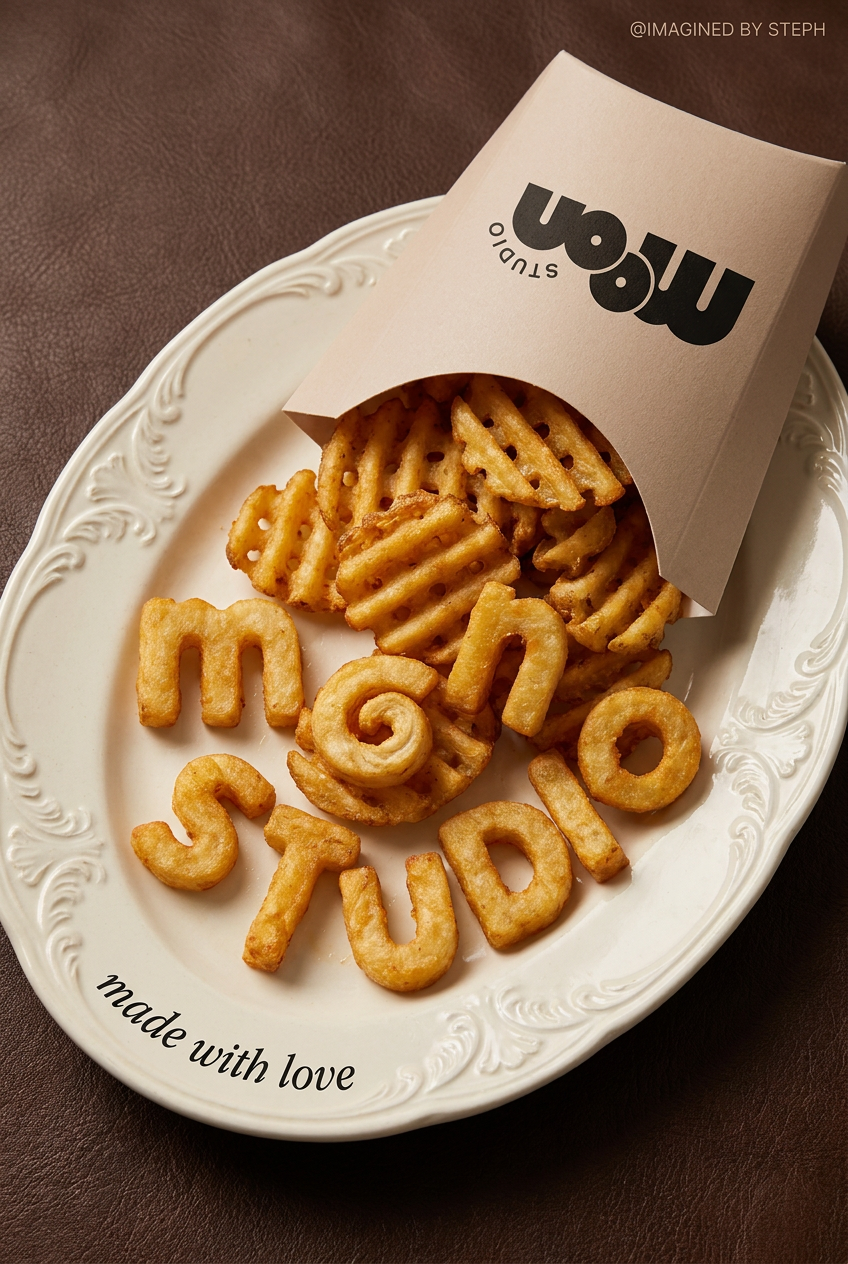
Transform your products into high-fashion editorial ads. This setup uses a dynamic diagonal layout and a slightly tilted overhead angle to give food and packaging incredible depth and texture. It's perfect for giving any brand a chic, premium look.
Regenerate using your own assets.
The details that make it delicious: advanced styling prompts
The difference between a good AI image and a mouth-watering one is in the details. Learning the vocabulary of food photography will elevate your prompts and give you more precise control over the final shot. Here are some terms to incorporate into your creative briefs:
- For Lighting: Instead of “good lighting,” try “dramatic Rembrandt lighting with deep shadows,” “soft, diffused morning window light,” or “golden hour glow.”
- For Texture: Get specific. Use phrases like “glistening, savory sauce,” “perfectly seared grill marks,” “crispy, golden-brown crust,” or “delicate steam gently rising.”
- For Composition: Guide the virtual camera. Ask for a “top-down flat lay on a dark, rustic wooden table,” a “macro shot focusing on the melted cheese,” or a “dynamic action shot with flour dusting the air.”
- For Aesthetics: If you're aiming for a specific vibe, name it. The recent trend of creating fake retro ads for modern products is a perfect example. You can achieve this with prompts that specify “in the style of a 1980s print food advertisement, slightly grainy film quality, high-contrast flash photography.”
Try this workflow to create a vintage-style ad with your food photo.
Workflow code: #myup-1hgd-9oz5
Retro Style Food Advertising Poster
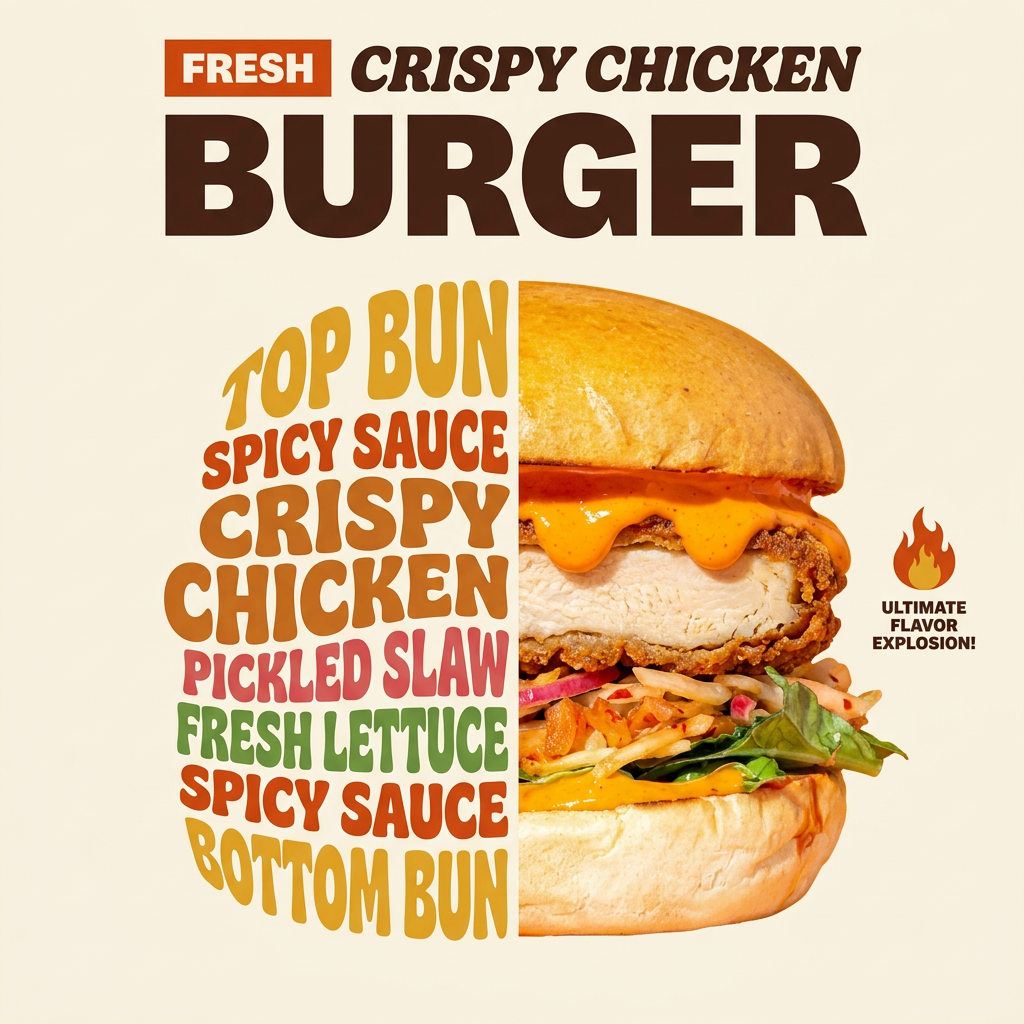
Turn any food product shot into a bold, nostalgic retro advertisement. It drops your item onto a warm cream background and automatically frames it with a color-matched header badge for that classic mid-century print ad look.
Regenerate using your own assets.
From one great shot to a consistent menu
The 'phone pic to hero shot' workflow is revolutionary for creating a single stunning image. But its real power for a brand is in creating a whole campaign of visuals that feel cohesive. This is where one-off image generators fall short. You might get a great burger photo one day, but making a photo of a salad or a milkshake look like it belongs to the same brand is a challenge.
A production workflow in MyUP solves this by using a Brandkit. You build your visual identity once—your logo, specific brand colors, fonts, and overall photographic style (e.g., 'bright and clean' or 'dark and rustic'). This Brandkit is then automatically applied every time you generate a new image.
Your burger shot, your fries ad, and your milkshake promo will all share the same visual DNA. This turns a cool trick into a scalable content production system. It’s the same principle behind a successful AI product photography workflow or an AI jewelry campaign: consistency is what builds a recognizable brand. The user validates the creative, and MyUP handles the on-brand execution, every single time.