You’ve been there. After an hour of tweaking prompts, you finally generate the perfect poster for your event. The style is spot on, the composition is dynamic, and the vibe is exactly right. Then comes the real work: creating posters for the other five speakers. You use the same prompt, maybe lock in the seed number, and the results are… close, but not quite. The layout shifts, the typography changes slightly, and the overall feel is just off. You end up spending the rest of the day in Photoshop trying to manually fix the inconsistencies, defeating the purpose of using AI in the first place.
A single great poster is an artwork; a series of great, consistent posters is a campaign. The problem isn't your prompt. The problem is that most generative AI tools are built for novelty, not for the repeatable, systematic production that professional campaigns demand.
Why prompt tweaks and seed numbers are a dead end
The common advice for achieving consistency in tools like Midjourney revolves around hacks: reusing the same seed, creating hyper-specific prompts that describe every minute detail, or using image-to-image generation. While these methods can sometimes get you closer, they are fundamentally brittle and unreliable for campaign-scale work.
- Seed locking isn't style locking. Reusing a seed number can help replicate composition, but it doesn't guarantee stylistic consistency, especially when you change key elements in the prompt like a speaker's name or a session title. The model can interpret these new words in ways that subtly (or dramatically) alter the output.
- Hyper-specific prompts are unmanageable. A prompt that’s 300 words long might produce one good image, but it becomes a nightmare to edit for ten different variations. One small change can have a cascading, unpredictable effect on the entire output.
- Manual clean-up doesn't scale. The time you save generating the initial image is lost ten times over when you have to manually edit each variation to align fonts, colors, and logos. This isn't a workflow; it's a bottleneck.
This approach forces you to work like a detective, trying to reverse-engineer the AI's logic. A professional workflow needs to be predictable. You set the rules, and the AI executes—not the other way around.
The brand-aware workflow for a consistent poster series
To move from single creations to a full campaign, you need to stop thinking about prompts and start thinking about systems. On MyUP.ai, we solve this with a brand-aware workflow that separates your fixed brand rules from your variable content. This ensures every single asset is perfectly cohesive.
This system has three core components:
- Your Brandkit: This is the foundation. You define your non-negotiable brand elements—specific hex codes for colors, approved fonts, logo, and overall style—just once. The AI will adhere to these rules in every generation.
- A Structural Template: This defines the layout and composition. It dictates where the headline, speaker photo, and other key information will be placed, ensuring structural consistency across the entire series.
- Dynamic Inputs: This is the information that changes for each poster—the speaker's name, their topic, the date, and the time. You simply feed in the new variables, and the workflow generates a new poster that perfectly matches the established system.
Let's build a poster series using this workflow.
Step 1: Lock in your visual identity with a Brandkit
Before you generate a single image, you need to establish the ground rules. In MyUP, you can create a Brandkit in minutes by simply entering your website URL. MyUP automatically extracts your logo, color palette, and fonts. You can then refine these to match your specific campaign guidelines.
For an event poster series, your Brandkit should define:
- The exact hex codes for your primary and secondary colors. No more 'sort of blue'; you get the precise #0047AB your brand requires.
- The specific font files for headlines and body copy. This is critical, as most image generators struggle with consistent typography. By providing the font, you ensure it's rendered correctly every time.
- Your logo files. You can specify logo placement rules within your workflow to ensure it appears in the same spot on every poster.
This Brandkit acts as a permanent set of instructions. Once it's saved, you never have to specify your brand colors or fonts in a prompt again. The system knows the rules, ensuring every asset—from posters to social media posts—is instantly on-brand.
Step 2: Choose a structural template for your series
With your brand identity locked in, the next step is to choose a layout. A good template provides a consistent structure for your variable content. This is less about a specific visual style (your Brandkit handles that) and more about the architectural grid of the poster.
For example, a clean, grid-based layout is perfect for a speaker series because it provides a predictable structure for names, photos, and topics. You can start with a template that establishes this structure from the beginning. The user validates the structure, and MyUP handles the production, applying your Brandkit automatically.
This Bold Editorial Grid Poster template is an excellent starting point for a clean, modular campaign. It provides a strong, organized foundation that you can use for every asset in your series.
Workflow code: #myup-n0bi-2wzk
Bold Editorial Grid Poster
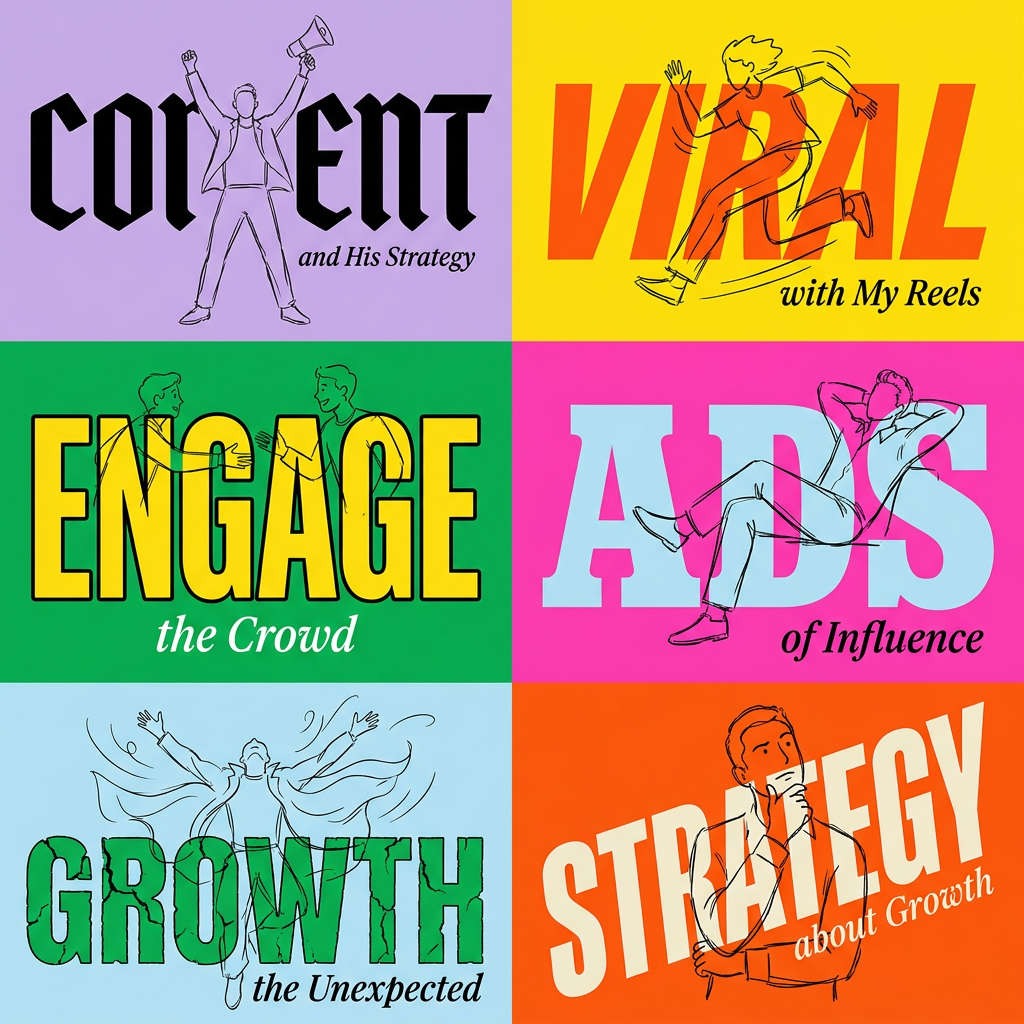
Create striking 2x3 editorial posters with six seamless, flat-color square cards in a perfect 4:5 grid. There are absolutely no gaps between the blocks, giving your content a bold, high-contrast magazine layout. It looks incredibly clean on any social feed.
Regenerate using your own assets.
Step 3: Generate unlimited variations with dynamic inputs
This is where the system pays off. Your Brandkit is set. Your structural template is chosen. Now, creating the entire series is as simple as feeding new information into the workflow.
Let's say you're using a retro-themed template for a music festival. To create a poster for the headliner, you input:
- Headline: The Lumineers
- Sub-headline: Live at Red Rocks
- Date: August 13
The workflow generates the first poster, perfectly matching your brand's retro yellow and using your approved fonts. To create the next poster for the supporting act, you simply change the inputs:
- Headline: Florence + The Machine
- Sub-headline: Special Guest Performance
- Date: August 14
MyUP runs the exact same workflow, swapping only the text. The result is a second poster that is 100% consistent in style, color, and layout with the first. You can repeat this process for every artist, speaker, or topic in your event, generating a dozen perfectly cohesive assets in minutes, not days.
Try it yourself with this Bold Retro Yellow Event Poster workflow. Once your Brandkit is active, every poster you generate will automatically align with your visual identity.
Workflow code: #myup-xbur-hzoi
Bold Retro Yellow Event Poster
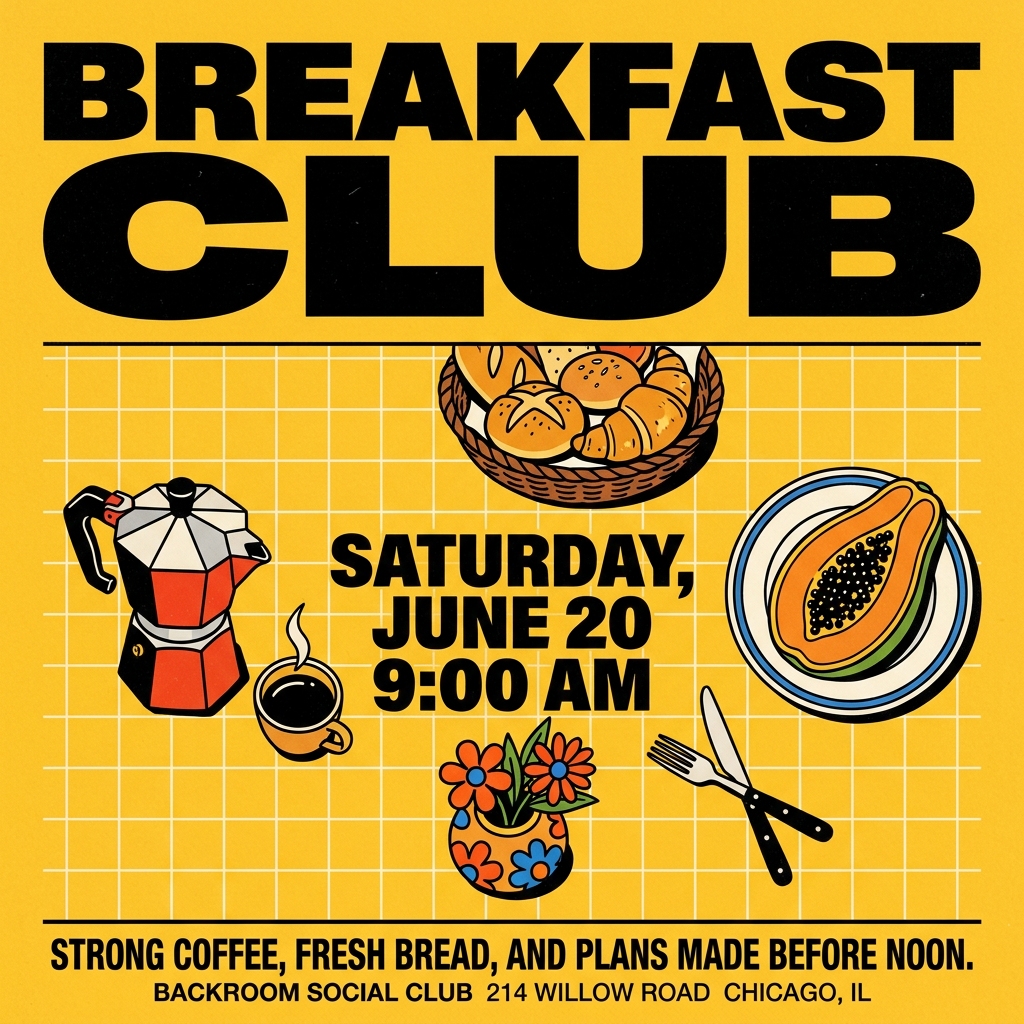
Turn your branding or event details into bold, nostalgic posters. It blends vibrant warm backdrops with a clean, retro square grid pattern to make any announcement look like a classic piece of mid-century graphic design.
Regenerate using your own assets.
Creating stylistic variations that still feel connected
What if your campaign needs different types of posters? For example, a main announcement poster, a speaker highlight poster, and a schedule poster. They need to look different but still feel like part of the same family. This is where a brand-aware system truly shines, and where prompt-only methods completely fall apart.
Because your Brandkit is the foundation, you can run it through multiple different structural templates while maintaining perfect consistency. Your brand's DNA—its colors, fonts, and logo—remains the constant thread tying everything together.
You could use the bold retro template for your main announcements, but switch to a grittier, zine-style template for highlighting individual artists. The colors and fonts will remain consistent, but the layout and texture will provide the variation you need.
Workflow code: #myup-msop-hlxf
Retro Zine Style Event Poster
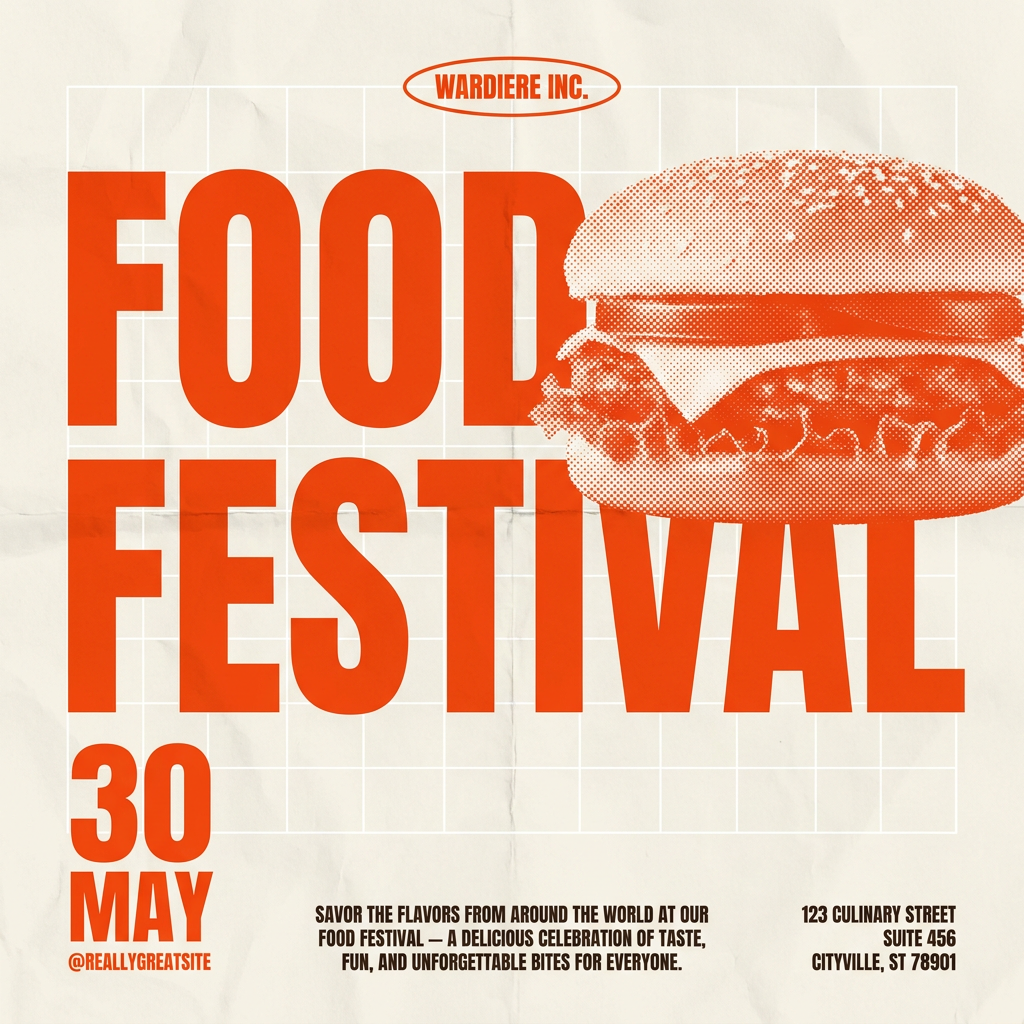
Give your social posts a gritty, analog zine aesthetic. It layers a crumpled paper texture and a subtle grid over a warm cream background to make any event graphic look like a tactile, photocopied flyer. Perfect for DIY gigs and bold promos.
Regenerate using your own assets.
Or, for a more vintage, print-inspired feel, you could use a Risograph-style template. The Brandkit ensures that even with a completely different aesthetic, the core brand elements are preserved, making the poster feel like a creative extension of the main campaign, not a random one-off.
Workflow code: #myup-3xus-3l9x
Vintage Risograph Event Poster
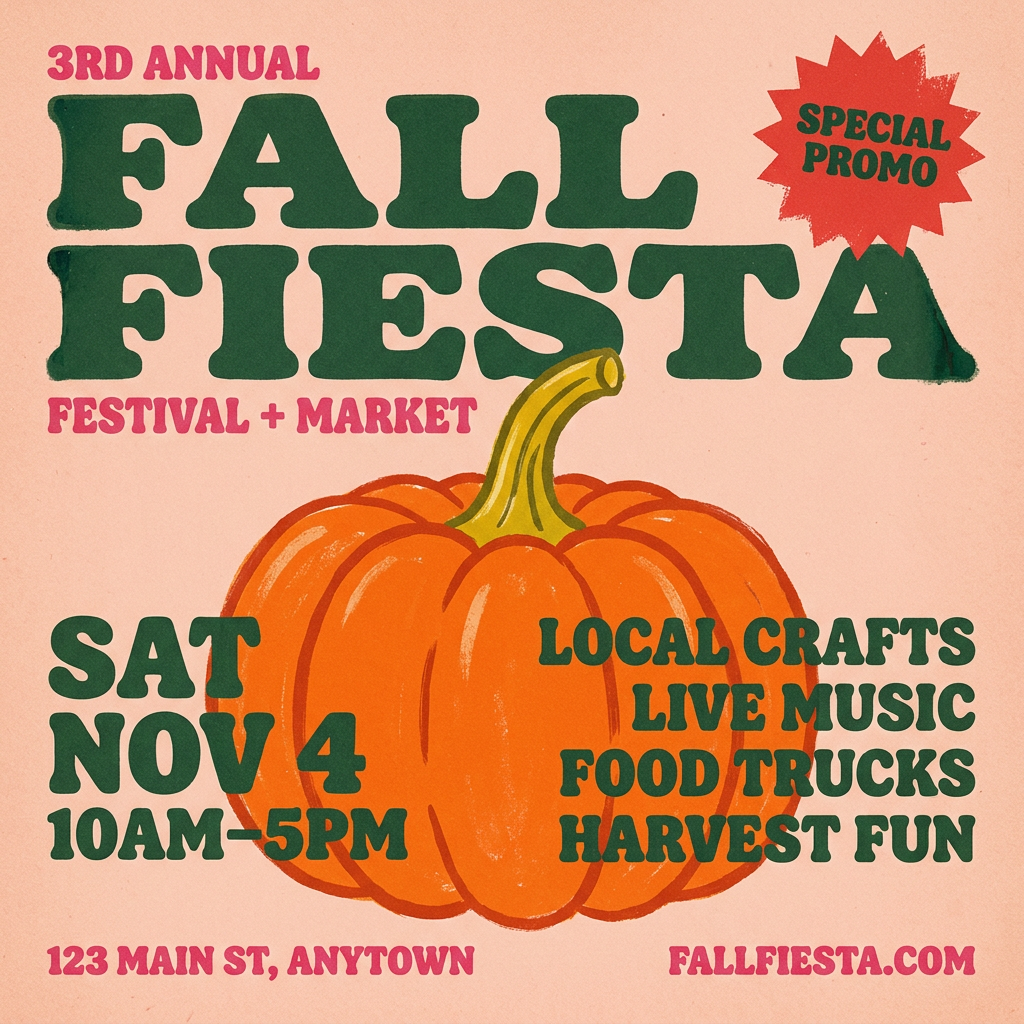
Turn any announcement into a gritty, tactile gig poster. It layers your text with an uneven letterpress ink texture over a dusty, warm pink risograph paper background. It’s perfect for giving social posts a real analog, screenprinted vibe.
Regenerate using your own assets.
This allows you to build out a rich, multi-format AI campaign with diverse assets that all share a cohesive visual language—something that's nearly impossible to manage with prompt-hacking alone.
A campaign is more than one great image
Stop wrestling with prompts and fighting for consistency. The key to producing a professional AI event poster series isn't a magic prompt—it's a reliable system. By separating your brand's fixed rules from your campaign's variable content, you can move from generating single images to producing entire campaigns at scale.
The workflow is simple: define your visual identity once with a MyUP Brandkit, choose a structural template, and then generate unlimited, perfectly consistent variations by simply changing the inputs. This is how you move past the novelty of AI image generation and into the future of automated, on-brand content production. Build your Brandkit on MyUP.ai today and start creating campaigns, not just single images.