You’ve tried the new AI presentation generators. You feed it a prompt, and in seconds, a full deck appears. The speed is amazing. The result? Less so. The slides are filled with generic stock photos, off-brand colors, and a layout that looks suspiciously like every other deck generated by that same tool. Now you have homework: hours of manually swapping images, correcting fonts, and forcing your brand identity onto a template that was never built for it.
This isn't faster; it's just a different kind of slow. The problem isn't the AI; it's the one-click, template-first approach. Instead of generating a generic draft, what you need is an AI workflow that designs a unique visual story for your presentation, slide by slide. This workflow generates a complete, on-brand presentation deck with unique visuals for every slide, directly from a text outline.
Workflow code: #myup-n0bi-2wzk
Bold Editorial Grid Poster
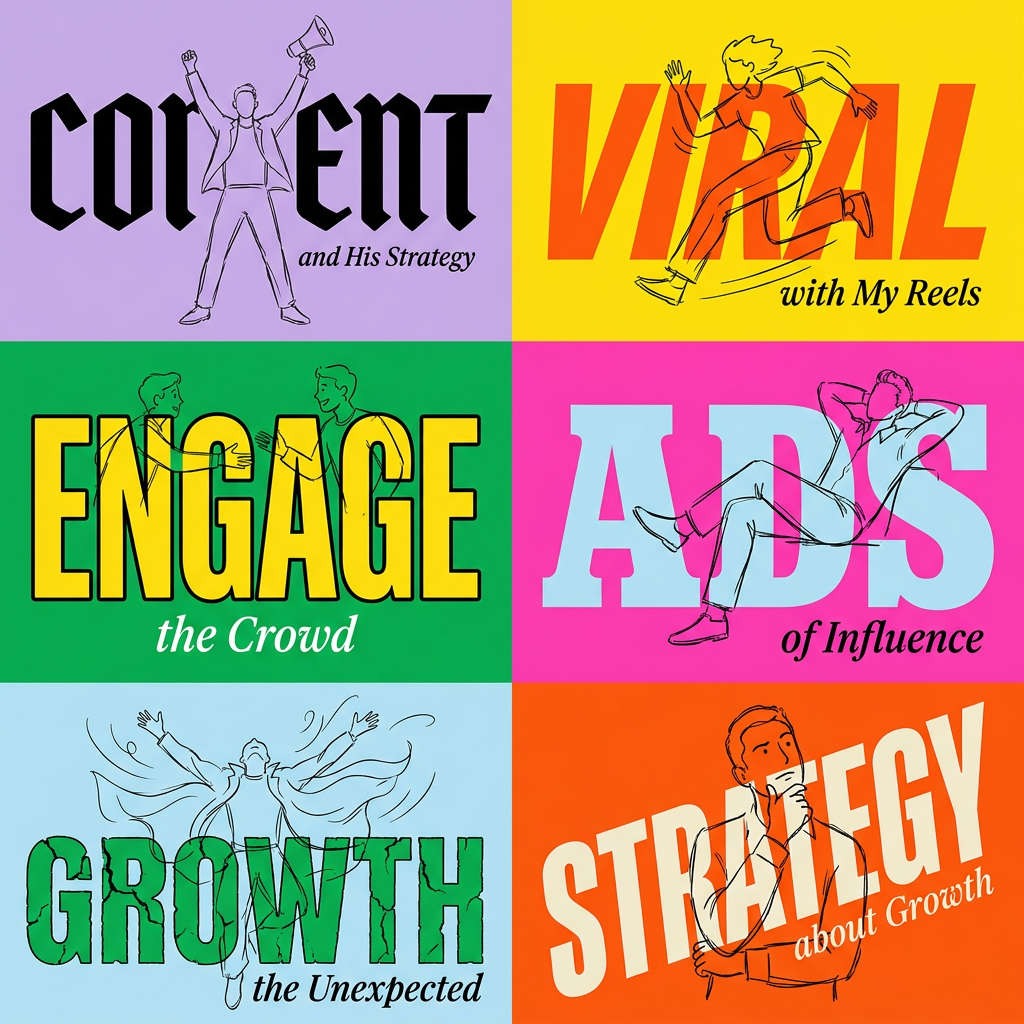
Create striking 2x3 editorial posters with six seamless, flat-color square cards in a perfect 4:5 grid. There are absolutely no gaps between the blocks, giving your content a bold, high-contrast magazine layout. It looks incredibly clean on any social feed.
Regenerate using your own assets.
The problem: why 'prompt-to-deck' tools all look the same
The market for AI presentation tools is exploding. Tools like Gamma and Tome pioneered the 'prompt-to-deck' experience, and with the launch of Beautiful.ai's 'DesignerBot' in June 2026, the trend is clear: users want speed. But this speed comes at the cost of originality. These tools operate on a closed loop of pre-designed templates and a limited library of licensed stock imagery. The AI’s job is to map your content onto these existing assets, not to create new ones.
This is why the output feels so repetitive. Your deck about SaaS growth uses the same 'abstract blue background with network lines' as a thousand other presentations. The visual narrative is generic because the assets are generic. It's a powerful tool for creating a first draft, but it fails at creating a finished, branded product. It leaves the most important part—making the presentation look and feel like *your* brand—as a manual task for you.
The workflow: from text outline to a fully branded deck
A workflow-based approach flips the model. Instead of fitting your content into a template, it builds the visuals around your content. It treats each slide as a unique design task, ensuring the imagery directly supports the message on that specific slide. The result is a deck where every visual is intentional and original, yet the entire presentation remains perfectly consistent with your brand identity.
Here’s how the MyUP workflow operates:
- Input with a simple text outline. The process starts with your content. No need to hunt for templates. Just provide a list of your slide titles and key points. This text becomes the creative brief for the AI.
- Loop through each slide. The workflow iterates through your outline, treating each slide as an individual job. For 'Slide 1: The Problem', it understands the context. For 'Slide 3: Our Solution', it grasps a different intent.
- Generate a unique visual per slide. This is the crucial step. Based on the text for each slide, the workflow generates a new, custom image or illustration. You’re not pulling from a stock library; you’re creating net-new art that matches the slide's specific topic. This is how you achieve a truly bespoke visual narrative.
- Apply your Brandkit automatically. Once the unique visuals are created, the workflow layers on your brand assets. Your logo is placed in the correct position. Your brand fonts and colors are applied to titles and body text. Every slide is instantly recognizable as yours. Achieving this level of visual control is key to creating truly consistent brand visuals across all your marketing assets.
In practice: designing a 5-slide pitch deck with unique AI visuals
Let's make this concrete. Imagine you're creating a pitch deck for a sustainable coffee brand called 'Terra Roast'. Your outline is simple:
- Slide 1: The Coffee Crisis: Waste in the supply chain.
- Slide 2: Our Solution: 100% compostable packaging.
- Slide 3: How It Works: From bean to our innovative bag.
- Slide 4: The Market: A new generation of conscious consumers.
- Slide 5: Our Vision: A better morning, a better planet.
A template-based tool might give you five slides with generic photos of coffee beans and green leaves. A MyUP workflow does something different. For Slide 1, it might generate a dramatic, moody image of a landfill with coffee cups. For Slide 2, a bright, clean shot of your sleek compostable bag sitting in rich soil with a sprout emerging. For Slide 4, a lifestyle image of diverse young people enjoying coffee outdoors. Each image is unique and directly illustrates the point of the slide, but the entire set shares a consistent artistic style, color palette, and photographic quality defined by your Brandkit.
The final step: human validation and creative control
Automation should not mean abdication. The purpose of this workflow is to handle the heavy lifting of production, not to remove your creative judgment. MyUP is built on the principle that the AI executes and the user validates.
Once the workflow generates your deck, you have full control. Don't love the image for Slide 3? Regenerate it with a single click. Want to rephrase the title on Slide 5? Edit the text directly. The workflow gets you 90% of the way there in minutes, freeing you up to focus on the final 10% of refinement and strategic polish. This partnership—AI for production, human for approval—is how you create high-quality, on-brand content at scale without sacrificing creative integrity.
Stop generating drafts. Start designing presentations.
The promise of AI isn't just to make the old way of doing things faster. It's to enable entirely new ways of creating. The one-click presentation generators are a faster way to create a generic first draft. An AI design workflow is a new way to build a compelling, on-brand visual presentation from the ground up.
Your ideas are unique. Your brand is unique. Your presentation shouldn't look like everyone else's. By shifting from a template mindset to a workflow mindset, you can use AI to design a deck that not only saves you time but also makes a more powerful and memorable impact.