On June 30, 2026, Google announced Nano Banana 2 Lite, its latest image model, promising faster generation times at a lower cost. The tech world is celebrating another incremental step in AI speed. But for those of us actually responsible for shipping content, a nagging question remains: will generating an image in 1.8 seconds instead of 2.2 seconds actually make our teams faster?
The answer is no. The industry's obsession with inference speed is a distraction. The fraction of a second you save on generation is dwarfed by the minutes, or even hours, lost to the manual, disjointed process that happens before and after that click. The real bottleneck isn't the model; it's the workflow.
The real bottleneck: Why a 2-second generation creates a 20-minute task
Think about what it takes to get a single, on-brand visual from an AI generator onto a social media channel. The process is a chain of manual tasks, each one a potential point of friction and delay.
A typical “fast” AI creation process looks like this:
- The Prompt Labyrinth: You spend five minutes tweaking and re-rolling prompts, trying to coax the model into producing something that aligns with your campaign vision.
- The Tool-Switching Tax: You finally get an image you like. You download it, search for the file, then open a separate design tool like Canva or Photoshop.
- The Manual Branding Grind: Now the real work begins. You upload your logo, manually sample your brand colors, change the AI-generated text to your brand font, and adjust the composition. This is tedious, repetitive, and where brand consistency often breaks down. It's a prime example of a frustrating task, much like trying to create a high-converting hero image with generic tools.
- The Variation Rework: Need a 9:16 story version? A square version for Instagram? A landscape version for a newsletter? You’re not just resizing; you’re often redesigning each asset from scratch, multiplying your production time.
- The Review and Upload Cycle: You export all the versions, upload them to a shared drive or project management tool, and wait for feedback. A revision request sends you right back to the beginning of this painful loop.
That 2-second generation just created 20 minutes of production debt. And when you need to create dozens of assets for a campaign, that debt becomes insurmountable.
From a single tool to a production system
The solution isn't a slightly faster image generator. It's to stop thinking in terms of single tools and start building an integrated production system. This is what separates amateur creators from professional content teams: they systematize the repetitive work so they can focus on creative strategy.
In MyUP.ai, this system is built on two core principles: a centralized Brandkit and automated workflows.
Your MyUP Brandkit is the single source of truth for your visual identity. You set it up once by simply entering your website URL or uploading your assets. MyUP automatically extracts your logo, fonts, and color palette. From that moment on, every piece of content you create within MyUP is automatically infused with your brand identity. The manual branding grind is eliminated from the start.
Step 1: Generate the core campaign concept, already on-brand
With your Brandkit in place, your creation process changes fundamentally. You no longer start with a blank canvas and a generic prompt. Instead, you launch a workflow designed for a specific outcome, like a high-impact product ad.
Instead of just asking for “a poster for a new skincare product,” you can launch a workflow that already understands the principles of clean, minimalist design and is built to feature a product prominently. When you run it, MyUP doesn't just generate an image; it generates an on-brand asset, applying your logo, colors, and typography exactly where they should be. You, the user, simply validate the creative direction; MyUP handles the production.
This workflow for a modern, eye-catching poster is the perfect starting point. It bypasses the manual design steps and delivers a campaign-ready visual from a single prompt.
Workflow code: #myup-zpby-tzie
Minimal Vibrant Product Advertising Poster
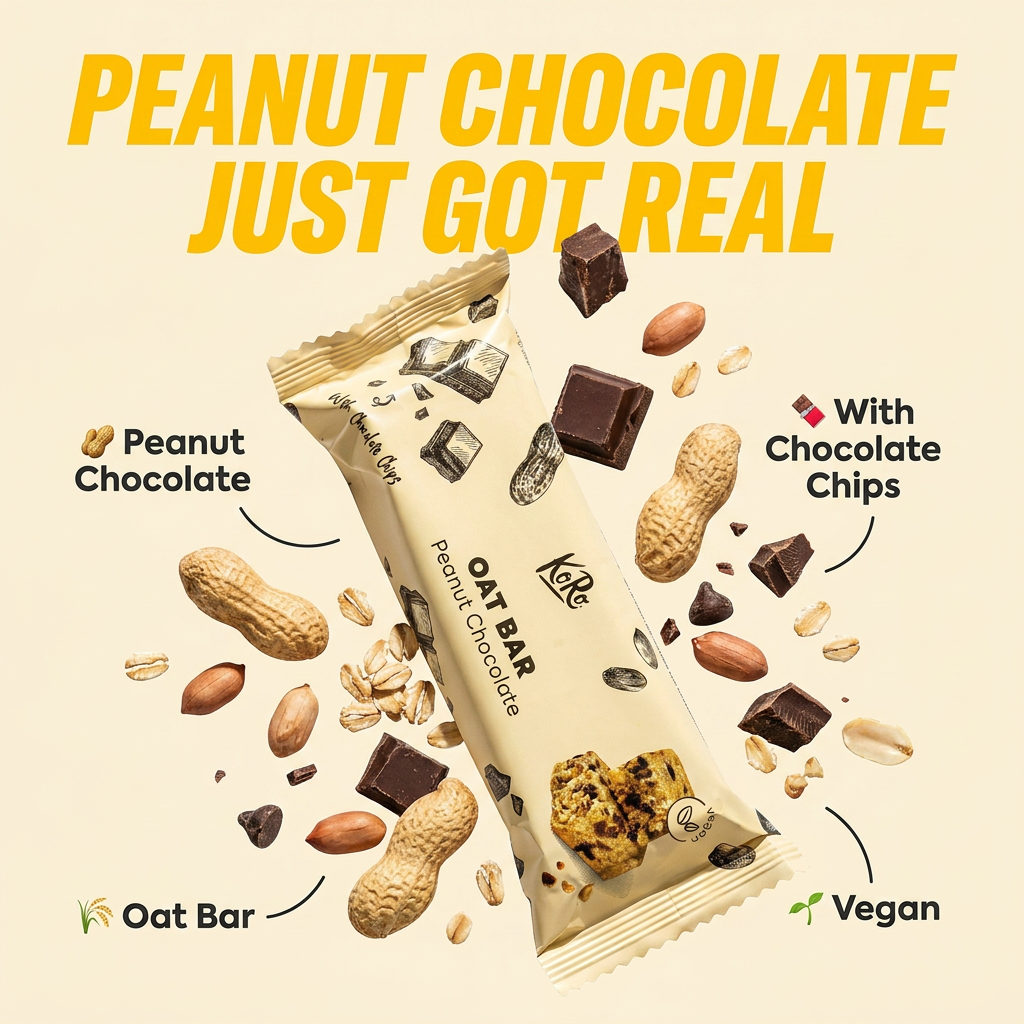
Drop in any product shot and watch it turn into a bold, high-energy square ad. It automatically reads your packaging to pull out the dominant colors and text, then builds a vibrant poster styled perfectly around your brand.
Regenerate using your own assets.
Step 2: Automate variations, don't start from scratch
Here is where a workflow-based system delivers true speed. You have your core visual, but you need a full campaign: different product shots, various taglines, and assets for multiple channels. The old way meant starting over for each one. The MyUP way is to automate.
Because you're using a workflow, you can simply instruct MyUP to generate variations. “Now create this for our other five fruit flavors,” or “Generate five more options with different headlines.” MyUP uses the initial, approved design as a template, ensuring every new asset is perfectly consistent in style and branding. This is how you achieve rapid-fire image generation for things like A/B testing without the manual overhead.
For example, a complete campaign workflow can take one core idea and instantly generate a suite of related visuals, all aligned with the same art direction and brand identity.
Workflow code: #myup-j6sp-glnw
Fruit Advertisement Campaign
Drop your product straight into a lush, hyperrealistic pile of fresh sliced fruit. It takes your clean product shot, blends it into rich organic textures, and generates a premium, slow-motion falling animation ready for a luxury cosmetic or food ad.
Regenerate using your own assets.
The real measure of speed is shipped campaigns, not generation time
The race for AI model speed is an interesting technical challenge, but it doesn't solve the problems that content creators face every day. Your team's velocity isn't measured in milliseconds of inference; it's measured in the number of high-quality, on-brand campaigns you can ship per week.
Chasing the fastest model is a distraction. The professionals aren't winning because their AI is 0.2 seconds faster; they're winning because they've automated the 20 minutes of manual work that surrounds each generation. By shifting from standalone tools to an integrated system like MyUP.ai, you can eliminate production bottlenecks, enforce brand consistency automatically, and scale your creative output without scaling your workload.
Stop counting seconds and start counting finished campaigns. Build your content workflow on MyUP.ai today.