
If you're a creator who has tried to make a comic strip with AI, July 13, 2026, was a big day. Midjourney rolled out a vastly improved character reference feature (`--cref V2`) and Ideogram launched version 2.0 with its own character lock. Suddenly, getting the same face to appear in panel after panel went from nearly impossible to surprisingly simple.
This solves the single biggest headache. But it doesn't solve the whole problem. A comic isn't just a series of images with the same character; it's a story told in a consistent visual world. The line weight, the color palette, the texture, the typography—it all has to match. A character reference feature gives you a consistent actor, but you still need a consistent art director, set designer, and typographer. This is the difference between a tool and a production workflow.
Step 1: Create your 'model sheet' — the source of truth for your character
Before you can tell a story, you need to define your star. In professional animation and comics, this starts with a 'model sheet' or 'character sheet'. It’s a single reference image showing your character from multiple angles with a neutral expression. This becomes the definitive source for every drawing that follows.
You can use any image generator to create this foundational asset. The key is a clean, descriptive prompt:
"Character model sheet for a female sci-fi pilot named Kaelen. Anime art style. Show front, three-quarter, and side views. She has short blue hair, a determined expression, and wears a simple grey flight jumpsuit. Plain white background, full body shots, consistent design across all views."
The goal is to get a clean, unambiguous reference. This image is your input. It’s what you'll feed the AI to ensure Kaelen always looks like Kaelen. This is the first step in moving from random generation to controlled production.
Step 2: Build your production bible, not just a character reference
Here’s where we move beyond what a simple character reference feature can do. That model sheet is your actor's headshot. A MyUP Brandkit is your entire production bible.
An AI comic’s consistency depends on more than the character's face. It needs a 'style lock'. Does your world have the grainy texture of a risograph print? The flat colors and bold lines of classic Franco-Belgian comics? The specific screen tones of black-and-white manga? These elements define your comic's identity.
In MyUP, you build a Brandkit that contains this entire identity:
- Character Model: You upload your character sheet as a core visual asset.
- Art Style: You define the visual texture, line weight, and overall aesthetic with descriptive terms and reference images.
- Color Palette: You lock in the exact HEX codes for your comic's color scheme.
- Typography: You define the fonts for dialogue, captions, and sound effects.
This Brandkit turns the AI from a generic image generator into your dedicated studio artist. It knows your character *and* the entire visual language of your world. Instead of hoping the style stays similar between panels, you guarantee it. For instance, you can lock in a specific print aesthetic for your entire project using a dedicated workflow.
Workflow code: #myup-3xus-3l9x
Vintage Risograph Event Poster
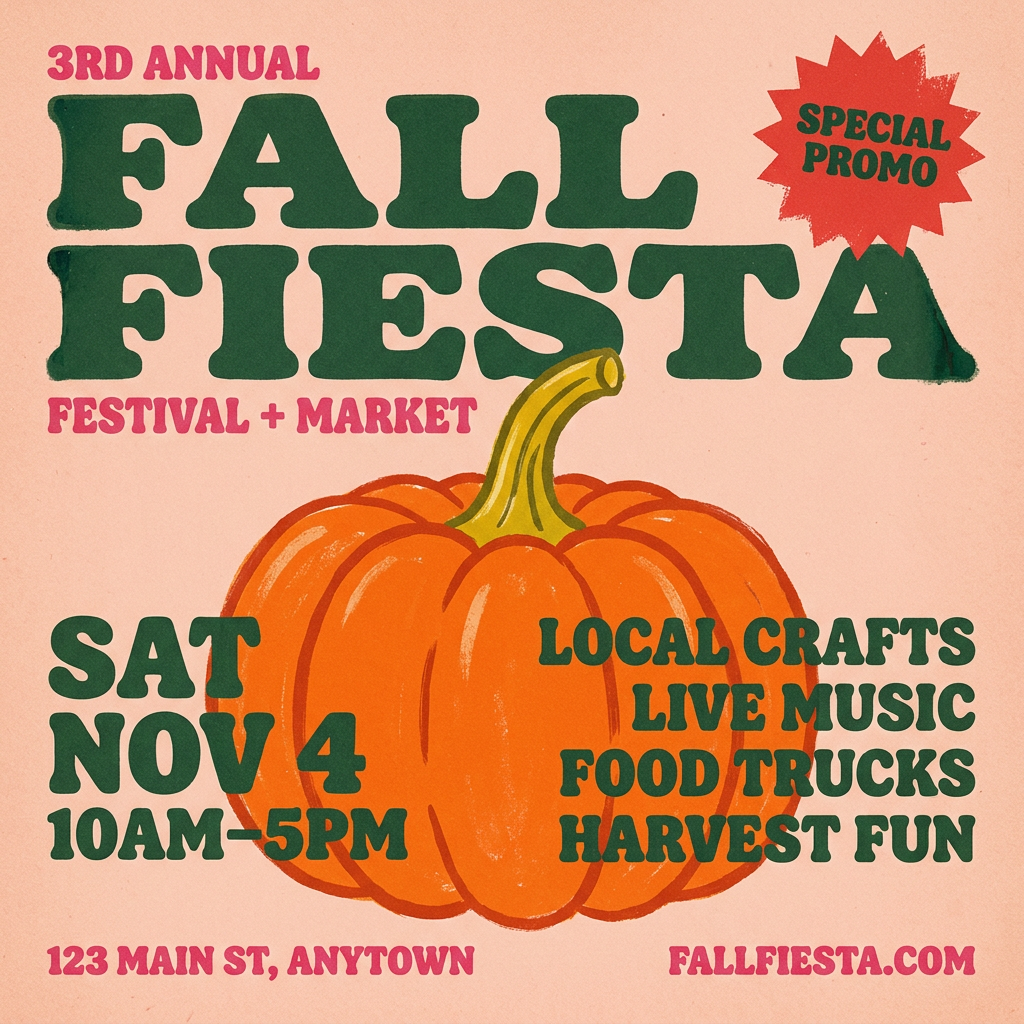
Turn any announcement into a gritty, tactile gig poster. It layers your text with an uneven letterpress ink texture over a dusty, warm pink risograph paper background. It’s perfect for giving social posts a real analog, screenprinted vibe.
Regenerate using your own assets.
Step 3: From script to panels with an automated workflow
With your Brandkit established, the creative process becomes incredibly efficient. You no longer need to write complex, multi-line prompts describing your character and style for every single panel. Your Brandkit handles that automatically. Your job is to direct the action, panel by panel.
Inside a MyUP workflow, you can queue up your entire comic strip as a series of simple instructions:
- Panel 1 Generation:"Kaelen is at the controls of her spaceship, looking out the main viewport at a swirling nebula. Calm, focused expression."
- Panel 2 Generation:"Close up on Kaelen's face, her eyes are wide with alarm as a red warning light flashes on the console."
- Panel 3 Generation:"Kaelen grips the controls tightly, her ship banking hard to the left to avoid an asteroid."
MyUP executes each step using your Brandkit, ensuring Kaelen looks the same and the art style—the lighting, the cockpit's color scheme, the line art—remains perfectly consistent. The user validates the output; MyUP manages the production. This is how you move from generating single images to producing sequential art at scale.
Step 4: Add dialogue and lay out your story
The final step in creating a comic strip is often where creators are forced to switch tools, exporting their images to Photoshop or Canva to add speech bubbles, captions, and arrange the panels. This breaks the workflow and introduces another layer of complexity.
An integrated platform keeps everything in one place. Once your panels are generated in MyUP, you can use the built-in editor to add your text layers and compose the final layout. Because your Brandkit already contains your chosen fonts, even the typography stays perfectly on-brand. You can arrange the panels into a classic strip, a multi-panel grid for social media, or any other format you need.
For a quick, shareable comic grid perfect for Instagram or X, you can use a layout workflow that arranges your generated panels into a sharp, editorial design.
Workflow code: #myup-n0bi-2wzk
Bold Editorial Grid Poster
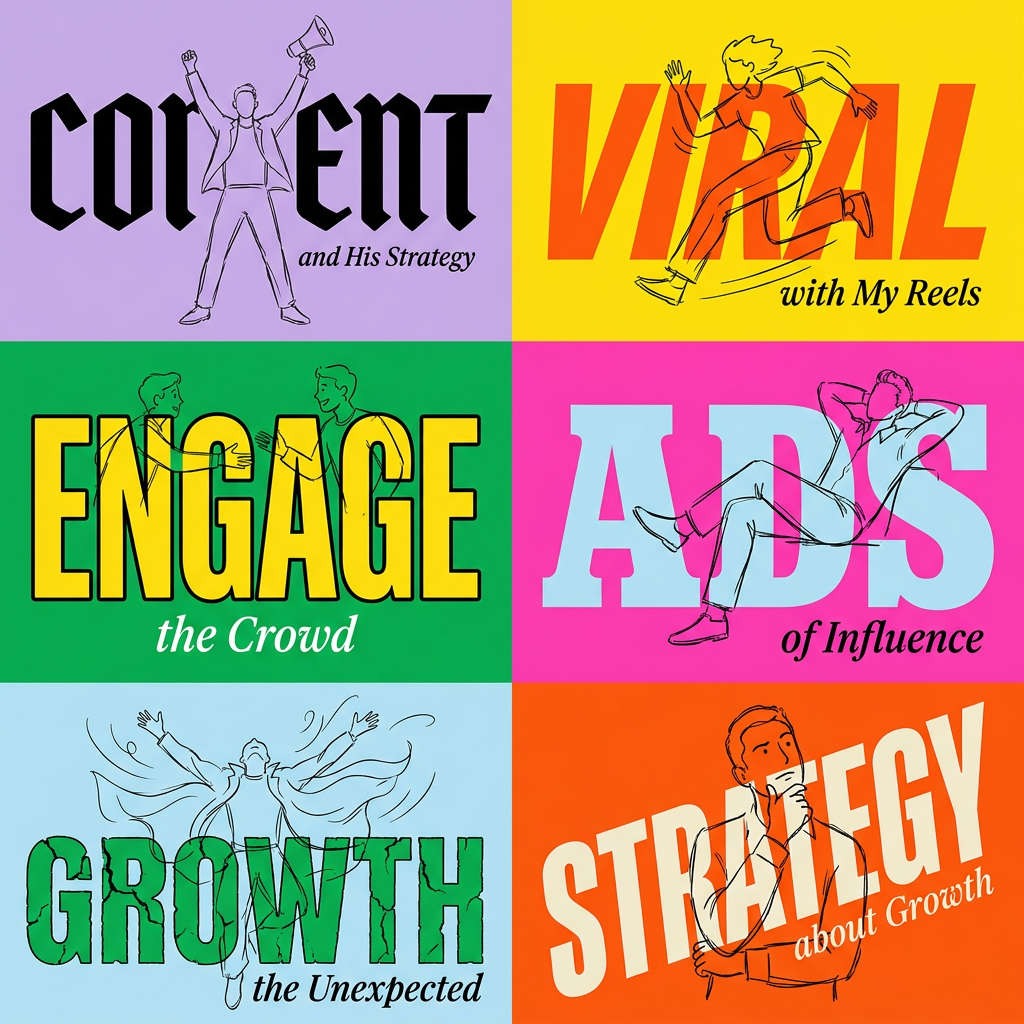
Create striking 2x3 editorial posters with six seamless, flat-color square cards in a perfect 4:5 grid. There are absolutely no gaps between the blocks, giving your content a bold, high-contrast magazine layout. It looks incredibly clean on any social feed.
Regenerate using your own assets.
Your character is born. Now give them a world.
The true power of a Brandkit-driven workflow is that your character and their world become reusable assets for any type of content. Your comic strip is finished, but your visual identity is just getting started. Because the character, style, and colors are saved, you can instantly deploy them in other formats without starting from scratch.
Need to announce the launch of your webcomic? Use the same Brandkit to generate promotional posters, social media banners, or even merchandise mockups. Your character can star in a full campaign, and the visual consistency will be absolute. This is something no standalone image generator can offer. For more on creating consistent narrative scenes, see our guide on the AI storyboard generator workflow.
Want to create some merch for your new character? This workflow is a great place to start.
Workflow code: #myup-swqt-4zo3
Product Stickers
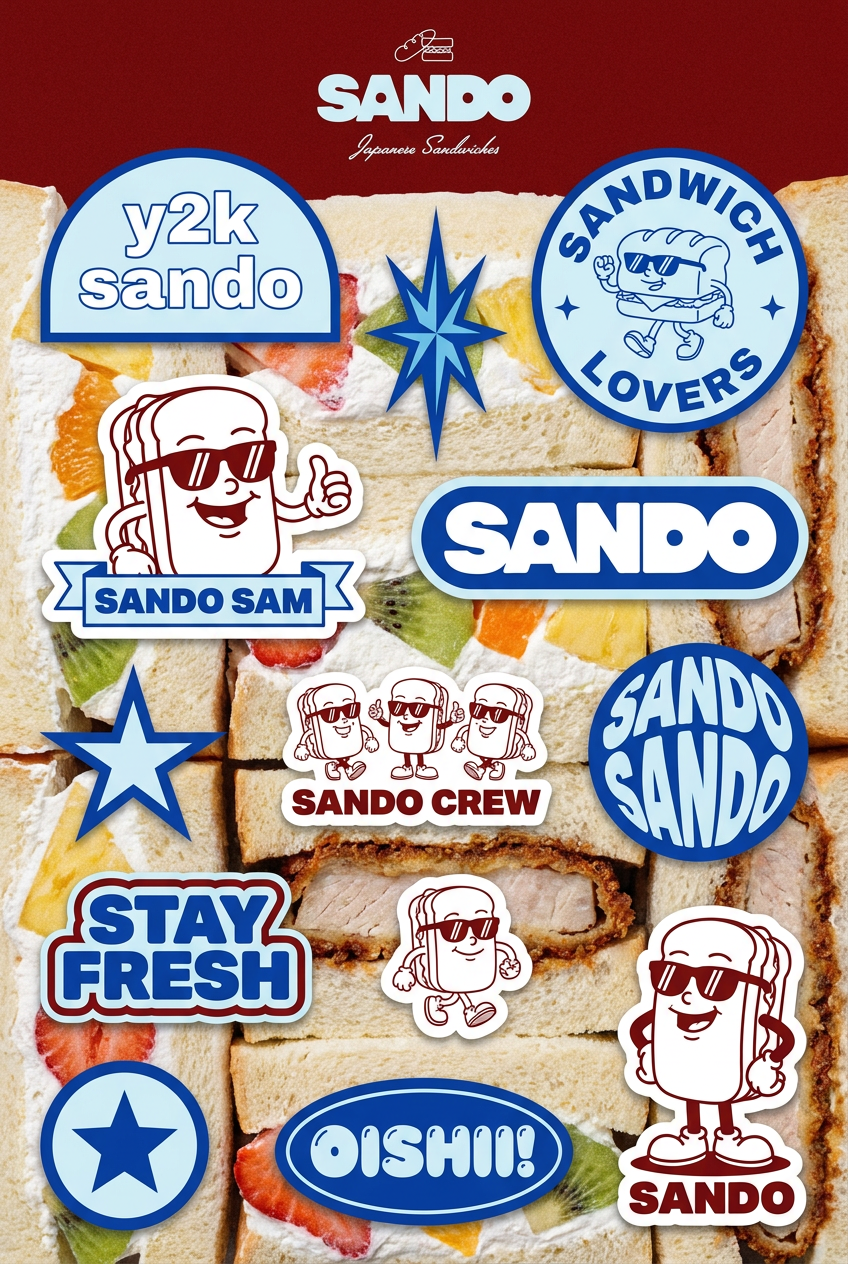
Turn your logo into a nostalgic, vibrant Y2K-style vertical ad. It automatically pulls your brand colors to create matching sweet treats like custom donuts or cupcakes in the background, giving you a super playful retro-pop aesthetic.
Regenerate using your own assets.
The right tool for the job: when to use a simple feature vs. a full workflow
Let's be clear: the new character consistency features in tools like Midjourney are a fantastic leap forward. For generating a one-off image or a quick character concept, they are fast and effective.
However, the moment you need to create sequential art—a comic, a storyboard, a branded narrative—you're not just creating images, you're managing a production. That's when the limitations of a single feature become clear. Production requires absolute control over character, style, color, and layout from start to finish.
If you just need a cool picture of your character, use a character reference feature. If you need to build a world for them to live in, you need a production platform. MyUP is built for that production mindset, giving you the control to create not just a single image, but an entire, consistent visual story.