
If you've been on social media in the last 48 hours, you've seen them: three-panel comic strips, telling a quick story with a single character. The viral wave, sparked by Midjourney's '--cref v2' feature release on June 27, 2026, finally made it seem possible to maintain a character's identity from one frame to the next. It's an exciting development, but it also reveals a deeper truth for serious creators: a single prompt parameter isn't a workflow.
When your character's shirt changes color in panel two, or the background style drifts in panel three, the story falls apart. True consistency isn't a lottery you hope to win with one feature. It's a system you build. This is the professional workflow for creating AI comic strips where the character, and their world, stays locked in from start to finish. It’s all done on MyUP.ai, by moving from prompting to directing.
Step 1: Build your character's DNA in a MyUP Brandkit
Before you generate a single panel, you need a source of truth for your character. In professional animation or comics, this is the character sheet. In MyUP, it’s a Brandkit configured as a 'Character Profile'. This is the foundation of consistency. Instead of hoping the AI remembers your character from a single reference image, you codify their existence.
Here’s how to set it up in MyUP:
- Create a New Brandkit: Name it after your character, for example, 'Detective Kaito - Comic'.
- Upload Reference Images: Add 3-5 clear shots of your character's face and full body from different angles. If you don't have these, generate them first until you have a look you want to lock in.
- Define Key Descriptors: In the Brandkit's style prompts section, define the non-negotiable elements. This is your digital character sheet. Be specific. For example: 'Detective Kaito, a man in his late 30s with short, messy black hair, tired eyes, wearing a rumpled beige trench coat and a dark red scarf.'
By doing this, you've created a central hub that the AI will refer back to for every single generation. It's not just a face reference; it's a complete profile. The MyUP AI doesn't just see the character; it understands the rules of their appearance.
Step 2: Define your world's style (and lock it in)
A consistent character in an inconsistent world is just as jarring. The next step is to define the comic's overall aesthetic within the same Brandkit. This ensures your visual language—colors, lighting, line work—remains coherent across all panels.
Your Brandkit should also include style rules for the world itself:
- Art Style: Is it a 'gritty neo-noir comic book style with heavy shadows and sharp ink lines' or a 'soft, watercolor Ghibli-inspired art style'? Add this to your Brandkit's style prompts.
- Color Palette: Specify the dominant colors. 'A muted color palette of deep blues, grays, and a single accent color of crimson red.'
- Mood and Atmosphere: Describe the feeling. 'Rainy nighttime city, reflections on wet pavement, moody and atmospheric.'
By baking these rules into the Brandkit, you ensure every panel feels like it belongs to the same story. If you're looking for a pre-built style to get started, you can use a MyUP workflow to establish a strong aesthetic foundation. For example, a retro, high-contrast zine look can be quickly prototyped.
Workflow code: #myup-msop-hlxf
Retro Zine Style Event Poster
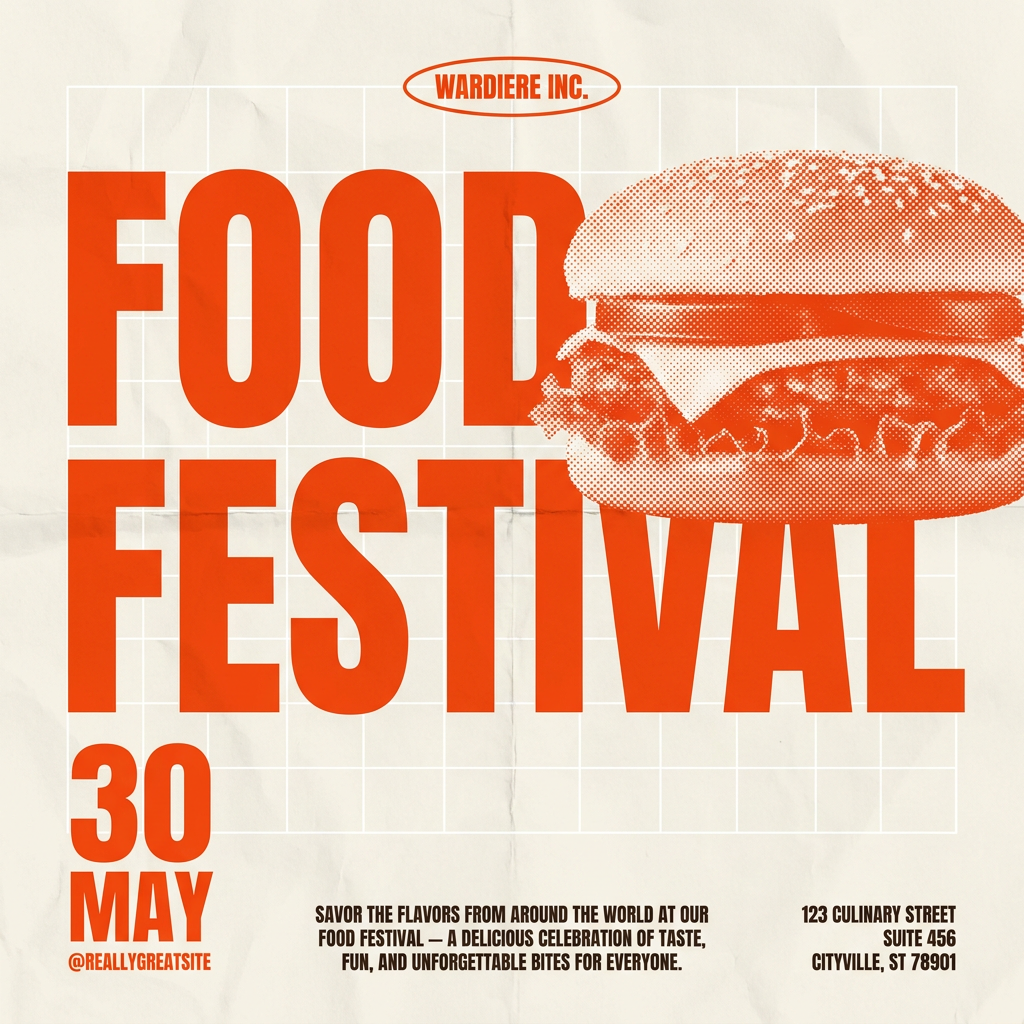
Give your social posts a gritty, analog zine aesthetic. It layers a crumpled paper texture and a subtle grid over a warm cream background to make any event graphic look like a tactile, photocopied flyer. Perfect for DIY gigs and bold promos.
Regenerate using your own assets.
Step 3: The panel-by-panel workflow for a 3-act story
With your Character Profile Brandkit established, generating the comic becomes a systematic process, not a game of chance. You'll call on the same Brandkit for each panel, only changing the specific action, expression, or camera angle. The user validates the output at each step, while MyUP handles the consistent production.
Here is a simple 3-panel workflow:
Panel 1: The Establishing Shot
Your first prompt introduces the character and setting. Select your 'Detective Kaito - Comic' Brandkit in MyUP and use a prompt like:
'Detective Kaito standing on a city rooftop at night, looking down at the street below. Wide shot.'
Panel 2: The Action or Reaction
Keep the same Brandkit selected. Now, change only the action and shot type. The Brandkit will ensure Kaito looks the same.
'Detective Kaito, medium close-up, raising an eyebrow with a surprised expression as he looks at something off-panel.'
Panel 3: The Resolution or Punchline
Again, with the same Brandkit, create the final beat of your mini-story.
'Detective Kaito, close up on his face, a small, cynical smile on his lips as he sips from a coffee cup.'
Because the Brandkit contains all the core information about the character and world, the AI's primary job is to execute the new action you request, not reinvent the visuals. This method is the key to building longer, more complex AI visual stories frame by frame.
Why a Brandkit beats a single reference prompt every time
The recent progress in single-prompt character referencing is a fantastic step for casual generation. But for professional or brand storytelling, it's incomplete. A single reference parameter (`--cref`) primarily focuses on the face, and to a lesser extent, the body. It doesn't systematically control the entire visual universe.
A MyUP Brandkit is a complete system. It provides control over:
- Character: Face, hair, body type.
- Costume: The exact trench coat and red scarf, every time.
- Style: The gritty, high-contrast ink lines.
- Color: The muted blues and crimson accents.
- Environment: The rainy, neo-noir city.
This systemic control prevents 'style drift' and gives you true directorial power. You're not just asking for a picture of a character; you're commanding a specific frame within a pre-defined world. It's the difference between a one-off sketch and a scene from a film. Managing a highly specific aesthetic, like for an editorial campaign, requires this level of systemic control.
Workflow code: #myup-5q78-bln0
Luxury Floral Product Editorial

Place any product in an ultra-minimalist, warm studio space. It wraps your item in a seamless cream and beige backdrop with a super soft bokeh that melts away, making the details pop. It’s perfect for giving goods a clean, high-end look.
Regenerate using your own assets.
Step 4: Assemble your final comic strip
Once you have your three (or more) panels generated and approved, the final step is layout. You need to arrange them in a sequence that tells your story clearly. This can be a simple vertical stack for social media feeds or a classic horizontal strip.
MyUP helps you finish the job without needing to export and switch to another design tool. You can use a layout workflow to quickly assemble your panels into a clean, shareable format. A simple grid poster is often the most effective way to present a multi-panel comic online.
Workflow code: #myup-n0bi-2wzk
Bold Editorial Grid Poster
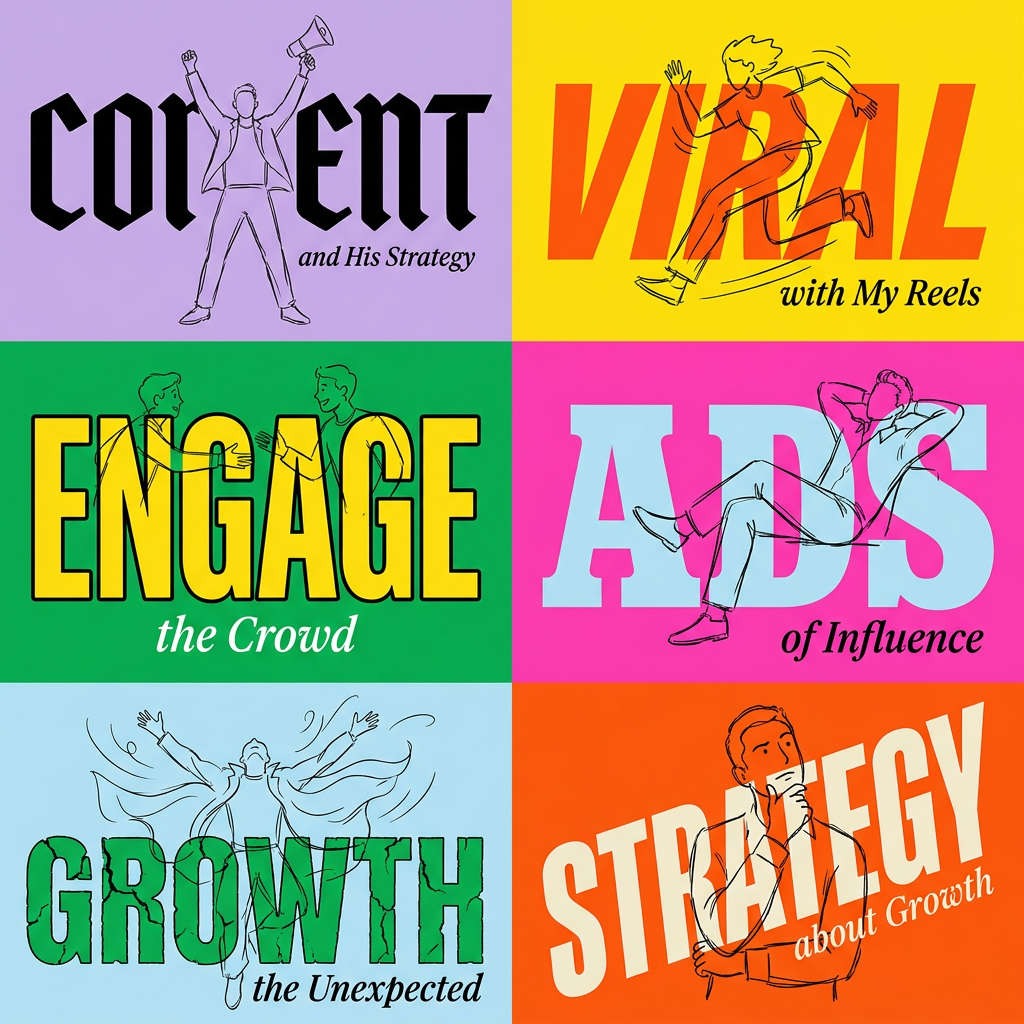
Create striking 2x3 editorial posters with six seamless, flat-color square cards in a perfect 4:5 grid. There are absolutely no gaps between the blocks, giving your content a bold, high-contrast magazine layout. It looks incredibly clean on any social feed.
Regenerate using your own assets.
This final step closes the loop, taking you from character concept to finished comic strip, all within a single, consistent production environment.
Consistency isn't a feature, it's a workflow
The ability to generate a recurring character is a major milestone for AI image generation. But for creators who need to tell stories for a brand, an audience, or a client, a feature is not enough. You need reliability. You need control. You need a workflow.
By building your character and world into a MyUP Brandkit first, you move from being a prompter to a director. You establish the rules of your universe, and then instruct the AI to perform within them. This is how you stop gambling on consistency and start systematically producing the exact narrative content you envisioned, panel by panel.