With the release of Midjourney V7's 'Style Tuner' on June 27, 2026, the era of 'style guessing' is officially over. For years, creators have wrestled with prompts, hoping to coax a consistent look from AI image generators. The new ability to generate a style code that captures a specific aesthetic is a huge step forward and validates a universal pain point. It proves that precise, repeatable style is no longer a luxury—it's the new standard.
But for a brand, agency, or any serious creator, a style that's locked inside a single tool is a job half-done. A style code is a feature; a brand is a system. Here's how to move beyond copying a style once and start owning and deploying it everywhere.
Why 'style codes' are a great start, but not the whole answer for brands
Features like Midjourney's Style Tuner are powerful because they solve the immediate problem: getting the same vibe twice. You find a look you love, you tune it, you get a code, and you can reuse it. It’s a fantastic workflow for individual projects within that ecosystem.
The problem arises when your brand exists outside of one specific tool. Your visual identity needs to work across social media posts, ad campaigns, website graphics, and sales decks. A Midjourney style code can't help you generate an on-brand presentation slide or apply your aesthetic to a video thumbnail template. It creates a silo, locking your brand's unique look into a walled garden.
For professional use, you need a solution that is:
- Portable: Your style should be applicable no matter which underlying AI model you're using.
- Comprehensive: A true brand style is more than a visual texture; it includes specific color hex codes, logo usage, and typography that a simple code doesn't manage.
- Systematic: It needs to be a central asset your whole team can access and apply, not a string of text someone has to copy and paste.
This is the difference between a temporary fix and a permanent system. The goal isn't just to replicate a style; it's to build a library of ownable aesthetics you can deploy on demand. That requires a different approach: the 'style capture' workflow.
The 'style capture' workflow: how to deconstruct and replicate any aesthetic
Replicating a style isn't magic. It's a process of deconstruction—breaking down a target aesthetic into its fundamental components. Once you can name the parts, you can build a system to reproduce them. This is the core of the 'style capture' method, and you can do it for any image you see.
Let's take a popular aesthetic: a retro zine or risograph-style poster. Find an example you like and analyze its visual DNA:
- Color Palette: It's not just 'red and blue'. It's likely a limited palette of off-primary colors, like a muted cyan, a warm red, and an off-white or cream. Note the specific feeling. Are they flat, desaturated, or slightly faded?
- Texture: This is critical. Look for grainy textures, subtle paper fibers, and the characteristic halftone dot patterns of risograph printing. Is the ink perfectly aligned or slightly offset?
- Typography: The type is probably a bold, geometric sans-serif or a slightly distressed, stamped font. It's an element of the style, not just text laid on top.
- Composition: Notice the layout. It might be asymmetrical, using a collage of cut-out photographic elements, bold shapes, and hand-drawn marks.
- Key Descriptors: Translate these observations into prompt keywords. Words like 'risograph print', 'halftone texture', 'grainy', 'zine aesthetic', 'offset printing', 'cut-out collage style' are the building blocks.
This analysis gives you a recipe. Now, you need a kitchen to cook in. That's where a centralized Brandkit becomes your command center.
Step 1: build your style profile in a MyUP Brandkit
A MyUP Brandkit is designed to be a permanent, active home for your visual identity. Instead of just storing guidelines, it applies them automatically to every creation. To capture a new style, you simply create a new Brandkit and load your deconstructed elements into it.
Here's the process:
- Create a New Brandkit: In MyUP, give your new style a name, like 'Retro Risograph Style'.
- Upload Reference Images: Add the inspiration images you analyzed. MyUP uses these as a strong visual guide for future generations.
- Define the Color Palette: Input the exact hex codes for the muted cyan, warm red, and cream you identified. This ensures absolute color consistency, something a simple prompt can't guarantee.
- Add Style Keywords: In the Brandkit's style instructions, add the key descriptors you listed: 'risograph aesthetic', 'halftone dots', 'grainy paper texture', 'bold geometric shapes', 'asymmetrical collage'. This becomes the core of every prompt MyUP generates.
- Set Negative Prompts: To refine the style, tell the AI what to avoid. You might add 'clean', 'digital', 'glossy', 'photorealistic' to keep the output gritty and analog.
You have now translated a visual 'vibe' into a concrete, reusable system. This Brandkit is now a 'style profile' that you can activate with a single click.
Step 2: generate new assets using your captured style
This is where the system pays off. With your 'Retro Risograph Style' Brandkit active in MyUP, you no longer need to write complex prompts to get the right look. The Brandkit handles it for you. Every image you generate, and every template you use, will automatically inherit the style you've defined.
Want to create a social post for an upcoming event? You don't need to remember the long prompt string. Just open a template and let the Brandkit do the work. The user—you—validates the output, while MyUP handles the production. This ensures every single asset, from a simple Instagram story to a complex ad creative, is perfectly consistent.
You can start immediately with a template designed for this exact aesthetic. The workflow below is built to create a zine-style poster; when combined with your Brandkit, the results are instant and on-brand.
Workflow code: #myup-msop-hlxf
Retro Zine Style Event Poster
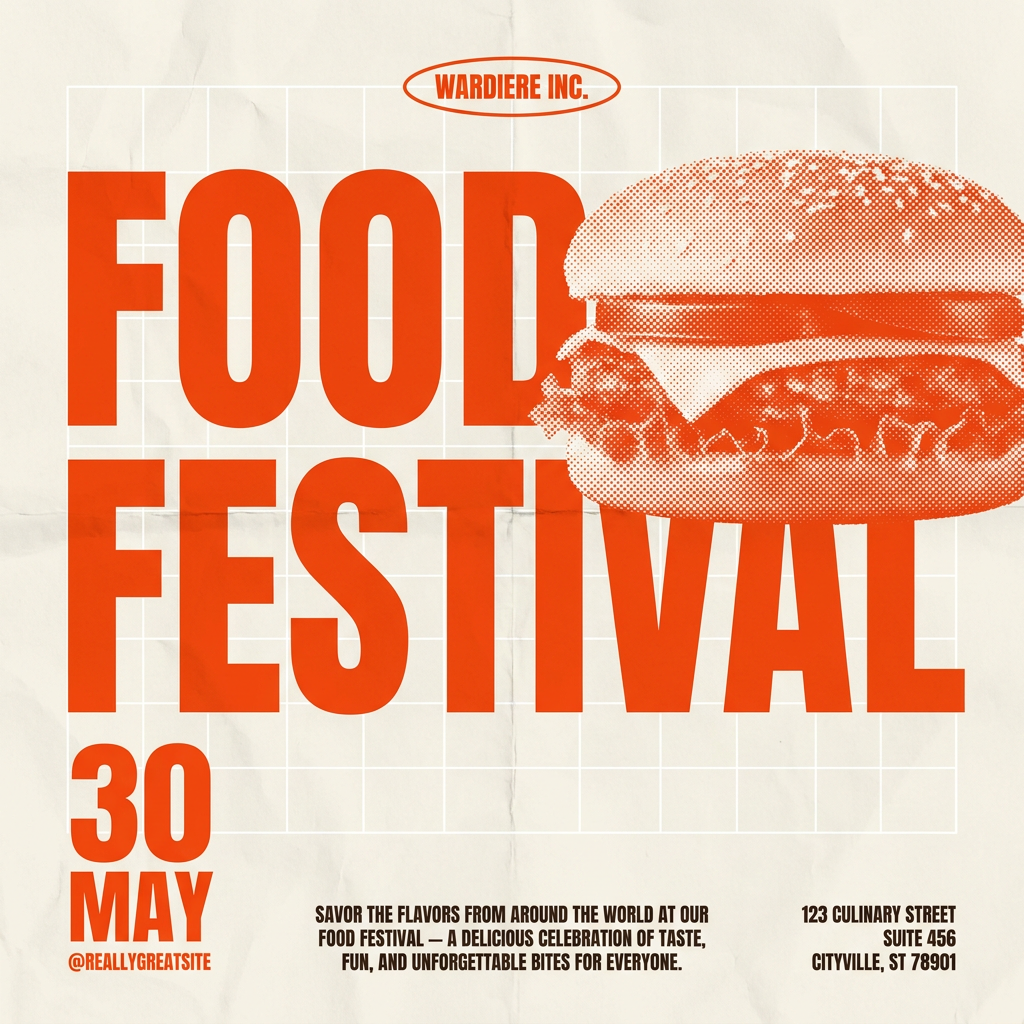
Give your social posts a gritty, analog zine aesthetic. It layers a crumpled paper texture and a subtle grid over a warm cream background to make any event graphic look like a tactile, photocopied flyer. Perfect for DIY gigs and bold promos.
Regenerate using your own assets.
This approach transforms your workflow from a series of one-off creative tasks into a scalable production system. For a more direct approach to a vintage poster, the workflow below focuses specifically on the classic Risograph look, ready to be infused with your brand's details.
Workflow code: #myup-3xus-3l9x
Vintage Risograph Event Poster
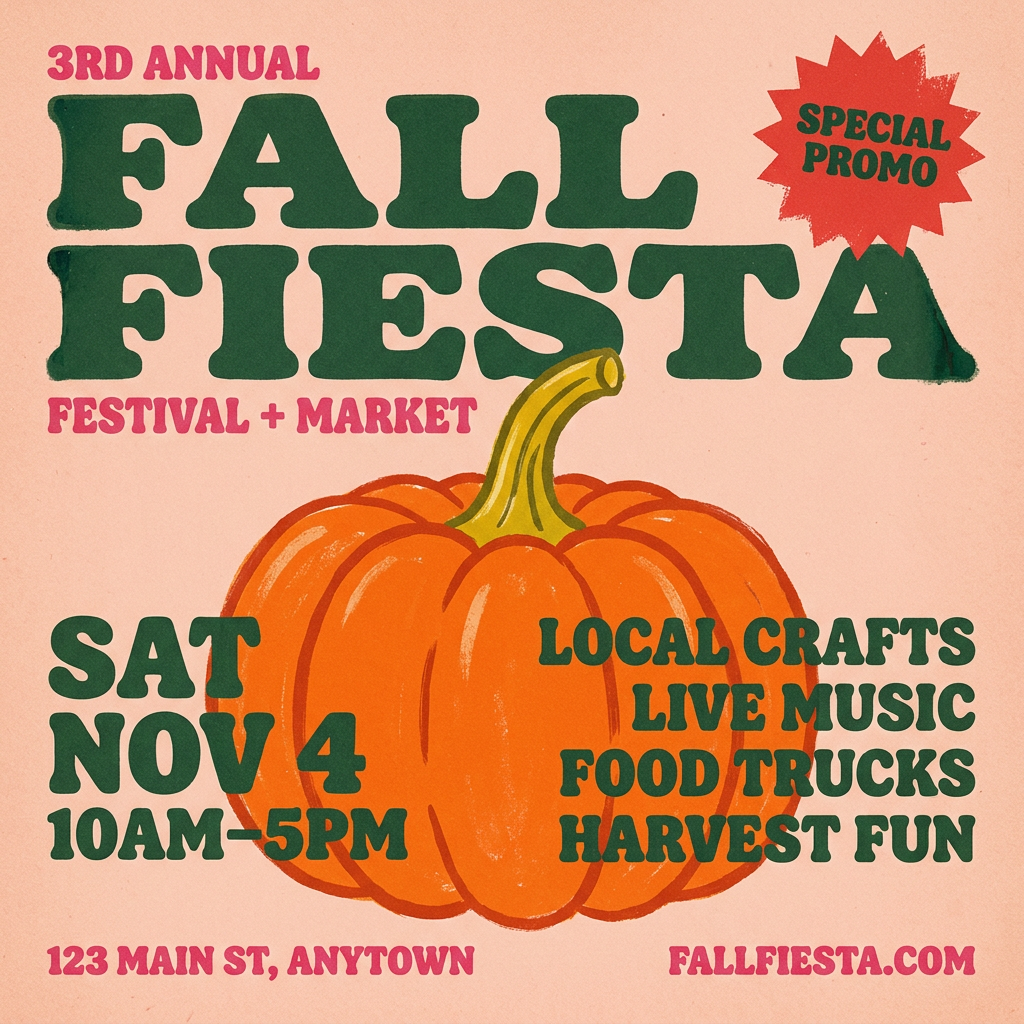
Turn any announcement into a gritty, tactile gig poster. It layers your text with an uneven letterpress ink texture over a dusty, warm pink risograph paper background. It’s perfect for giving social posts a real analog, screenprinted vibe.
Regenerate using your own assets.
Your Brandkit is your permanent library of captured styles
A style code from a single generator is a useful note. A MyUP Brandkit is a library. Over time, you can capture dozens of aesthetics—your core brand identity, a seasonal campaign style, a look for a specific product line, or even the styles of your competitors.
This library becomes a strategic asset. It allows anyone on your team to create perfectly consistent visuals without needing to be an expert prompter. It ensures that no matter how AI models evolve, your brand's visual DNA remains intact, portable, and ready to deploy. Stop chasing consistency and start building it into a system. That's how you move from just making AI art to building a brand with it.