
You’ve seen them. The same handful of AI-generated faces presenting videos for hundreds of different brands. As platforms like Synthesia push AI presenters into the corporate mainstream, we’ve entered the age of the stock avatar. Using one is like using a stock photo for your logo — it tells the world your brand is generic.
The search for a 'custom AI avatar generator' often leads back to the same problem: creating a single good image. But what happens when you need that character in a different pose, for a different campaign, three months from now? You’re back to square one, struggling to recreate the face, the hair, the style. It's an inconsistent, unprofessional workflow.
The solution isn't a better one-off prompt. It's a better system. Professionals don't just generate an avatar; they design a character and create a reference sheet. This is the workflow to build an ownable, consistent brand character that works as hard as your logo does.
Your brand doesn't need an avatar, it needs a character
An avatar is a picture. A character is an asset. The core mistake most brands make is treating their AI representative as a disposable image. A character has a defined look, style, and range of expressions that are consistent and repeatable. This consistency is the foundation of brand recognition.
Instead of trying to prompt a perfect avatar from scratch every time, the professional workflow is to first create an AI character sheet. This is the single source of truth for your brand’s AI persona, ensuring anyone on your team can deploy them perfectly, every time.
What is an AI character sheet (and why your Brandkit needs one)
An AI character sheet is a visual and descriptive style guide, just like the ones used in animation and game development. It’s a reference document that details your character from multiple angles and with various expressions. At a minimum, it should include:
- A primary portrait: The main, high-quality image of your character's face and shoulders.
- Turnaround views: Front, 3/4, and profile views to define their facial structure.
- Key expressions: Happy, neutral, concerned, excited. This provides a reference for generating nuanced video or static content.
- Style guide: Notes on clothing, color palette, and overall aesthetic.
This sheet becomes a core component of your visual identity, and it should live inside your MyUP Brandkit. A Brandkit in MyUP stores your logos, fonts, and brand colors, applying them automatically to any template. By adding your character sheet, you create a complete system where your unique character and your brand's visual style are locked in, ready for automated content production.
Step 1: Define your character's DNA before you write a prompt
Resist the urge to jump straight into an image generator. The best results come from strategy, not luck. Before you generate anything, you need to translate your brand values into visual traits. This is the creative direction that guides the AI.
Ask these questions:
- What is their role? Are they a friendly support guide, a sharp industry expert, a creative visionary? This defines their demeanor and expression.
- What are your brand's core attributes? If your brand is 'trustworthy and innovative,' the character might have a clean, modern haircut and wear smart, minimalist clothing. If your brand is 'playful and bold,' they might have brighter clothing and a more expressive face.
- Who is your audience? The character should feel relatable and aspirational to your target customer.
Write these attributes down. For example:
Character: Anya, Tech Educator. Attributes: Approachable, clear, forward-thinking. Appearance: Mid-30s, sharp but not severe bob haircut, wears a well-fitting blazer in our brand's secondary color over a simple white t-shirt. Expression: Calm, confident smile.
This brief is your starting point. It's the blueprint you'll feed into MyUP to begin the generation process. This crucial step ensures the AI is working toward your brand goal, not just creating a random face.
Step 2: The workflow for generating your visual reference sheet in MyUP
Now you can start creating the visual asset. The goal here is not one perfect image, but a series of consistent reference shots. This is an iterative process where you, the human, provide the creative validation at each step.
1. Generate the Primary Portrait: In MyUP, use your detailed brief from Step 1 to generate the main character portrait. Focus on getting the face, hair, and core style right. Tweak the prompt until the output aligns with your vision. This is your 'key frame'.
2. Establish Consistency: Once you have a primary portrait you approve of, use that image as a reference for all subsequent generations. In MyUP, you can upload this key image to strongly influence the output of your next prompts.
3. Create Turnaround Views: With the primary portrait as a reference, use simple prompts to generate the other angles. For example: 'Profile view of the same person,' or '3/4 view of the same person.' Because you're using a strong image reference, the AI will maintain the character's likeness.
4. Generate Expressions: Using the same method, create your key expressions. Use prompts like 'Smiling,' 'Slightly surprised expression,' or 'Thinking, looking slightly up.'
By the end of this process, you will have a grid of 5-6 images that form your complete character sheet. This is now a reusable brand asset. To see how a high-quality character portrait can look in a finished design, use the workflow below.
Workflow code: #myup-yk1h-uqy8
High-End Editorial Fashion Magazine Cover
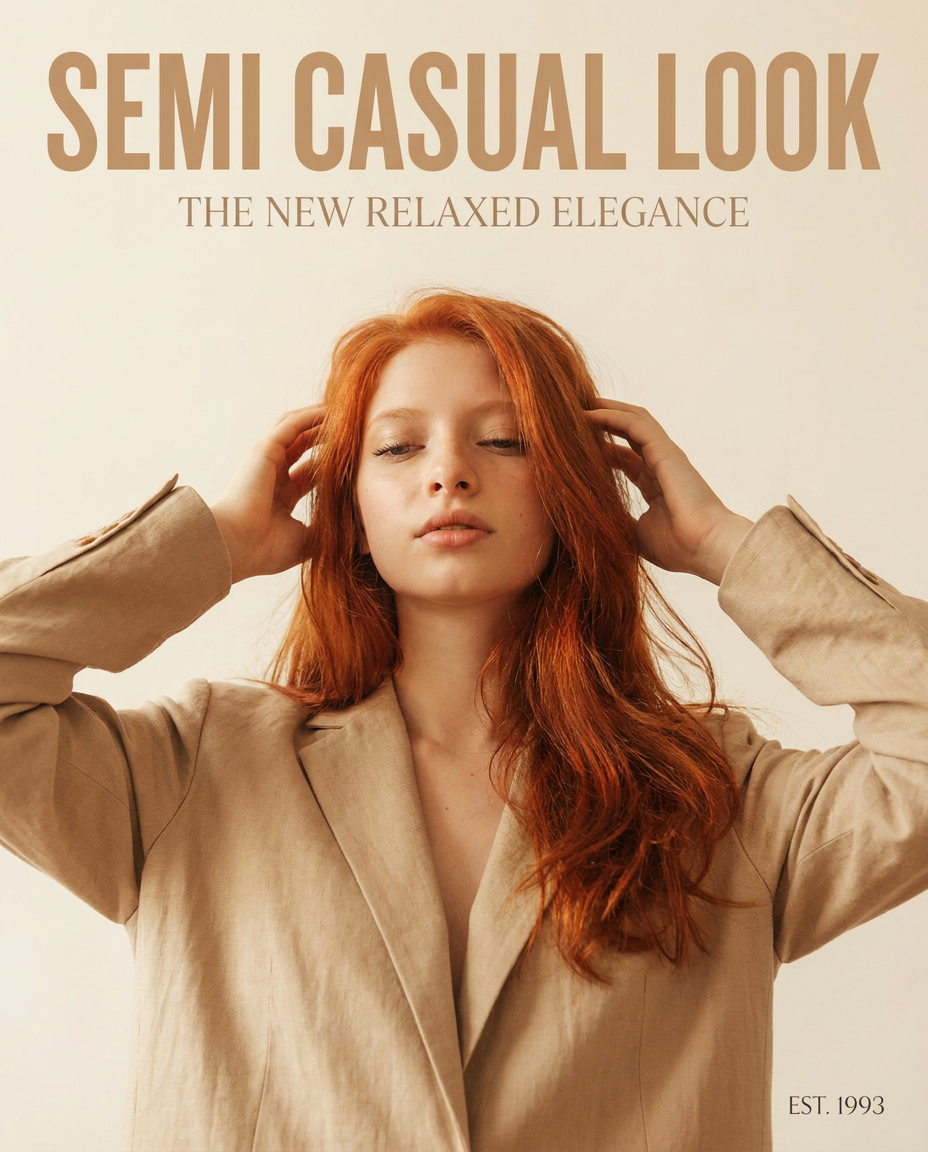
Drop in any portrait and turn it into a high-end editorial magazine cover. It frames your subject beautifully with relaxed, high-fashion posing and soft styling for a polished print aesthetic.
Regenerate using your own assets.
Step 3: Deploying your brand character with MyUP workflows
A character sheet is useless if it's difficult to use. This is where the MyUP workflow system pays off. You can now use your character in any template or new creation with perfect consistency, and your Brandkit will handle the rest.
The process is simple: when creating a new design, you provide your character sheet (or just the primary portrait) as a reference image. The AI uses that visual data to place your specific character into a new context, while the MyUP Brandkit automatically applies your brand's fonts, colors, and logo.
Suddenly, your unique character can star in any asset you need, without looking like a cheap cutout. They are a native part of the design.
For example, you can take your new tech educator character and instantly feature her in a hiring announcement. The template below is designed for this exact purpose.
Workflow code: #myup-eiob-7tbc
Modern Hiring Poster
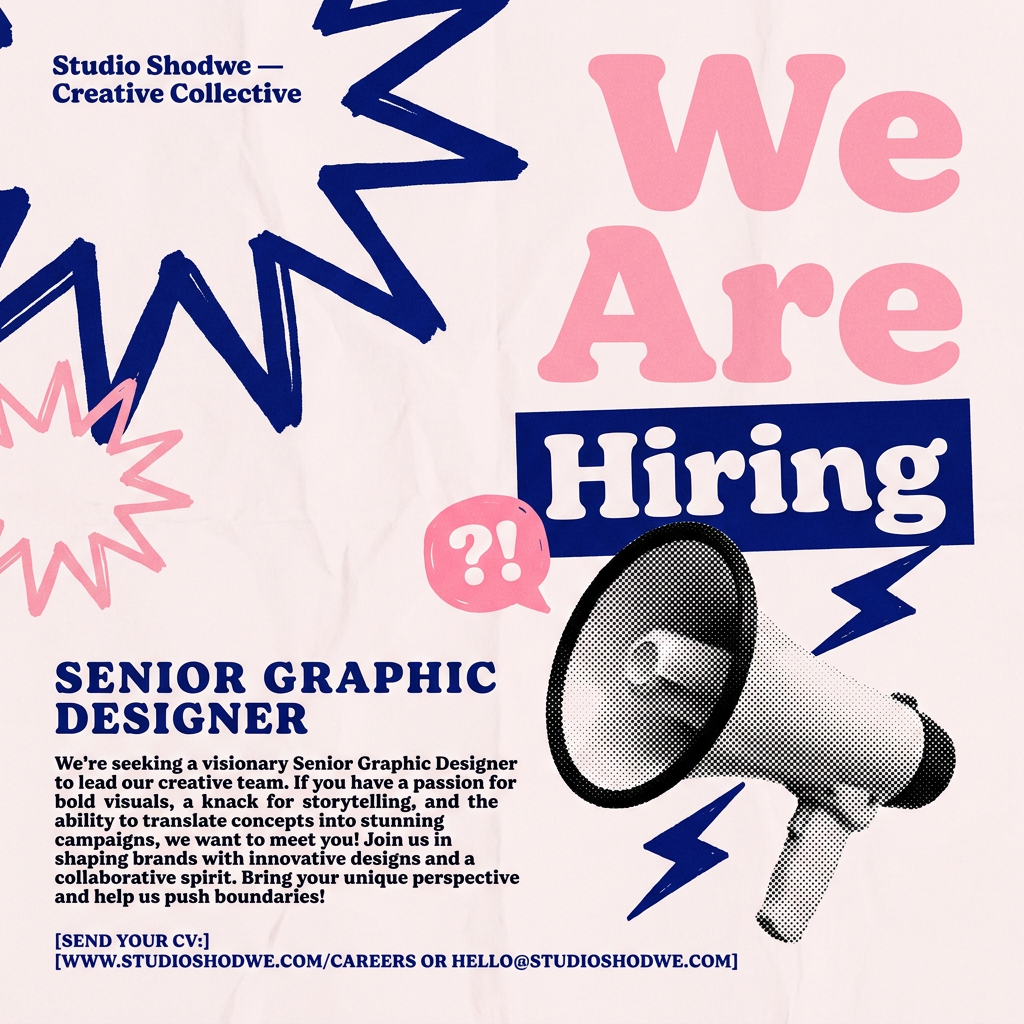
Turn your open roles into stylish social announcements. It sets your hiring details against a soft, textured paper background with clean, editorial typography. Perfect for giving your brand a polished, modern look when you're looking to hire.
Regenerate using your own assets.
Or, you can place the same character into a social media post advertising a new line of branded apparel. The character remains consistent, but the context and branding adapt perfectly. MyUP handles the production; you just validate the result.
Workflow code: #myup-3sro-edbt
Brand Clothes Post

Turn any outfit photo into a high-end fashion promo poster. It centers your subject in a full-body shot against a dark, dramatic studio backdrop, perfectly cropped for social feeds. It gives your apparel a moody, editorial look instantly.
Regenerate using your own assets.
This is the power of a system over a single tool. You've built the asset once, and now you can deploy it infinitely, across any campaign or format, with guaranteed brand consistency.
From character sheet to brand asset
Picking a face from a stock library is fast, but it costs your brand its uniqueness. The initial time invested in creating a proper AI character sheet pays for itself immediately. It eliminates rework, ensures consistency across your team, and builds a recognizable, ownable face for your brand.
This systematic approach is the difference between amateur and professional AI content creation. By using MyUP to build and deploy a character sheet, you're not just making an image; you're building a scalable brand asset that you control completely.