
In June 2026, the AI landscape shifted. The announcement of new models with 1000x efficiency gains means that generating a single ad creative is now trivial. The real question performance marketers are asking is, "So what? How does this actually help me find winning ads faster?"
The temptation is to just prompt an AI tool 100 times. This is a trap. You’ll get a chaotic mix of styles, off-brand colors, mangled logos, and a folder of assets that’s impossible to manage. The bottleneck isn't the AI's speed anymore; it's your process. You don't need a better prompt; you need a better system. You need an ad factory.
This guide moves beyond one-off generations and shows you how to build a repeatable, automated system in MyUP.ai to produce hundreds of on-brand ad variations for systematic A/B testing. This is how you turn raw AI efficiency into a competitive advantage.
The three pillars of a high-volume AI ad factory
An 'ad factory' isn't a single tool; it's a workflow built on three core components that work together. Trying to scale up ad production without this structure is like trying to build a factory without an assembly line—you just get more people working inefficiently. In MyUP, this system is designed to be simple and repeatable.
- Pillar 1: The Brandkit. This is your brand's single source of truth. You set up your logo, colors, and fonts once. Every ad variation the factory produces will automatically be 100% on-brand. No exceptions.
- Pillar 2: The Variables. This is your test matrix, structured as a simple input like a spreadsheet. Each row contains a different combination of headlines, calls-to-action (CTAs), and product images you want to test.
- Pillar 3: The Workflow. This is the automated assembly line. A MyUP workflow connects your Brandkit and your variables, generating a unique ad for every single combination you've defined.
By separating these components, you gain both scale and control. You can change one part—like adding ten new headlines to your spreadsheet—without having to rebuild the entire system.
Pillar 1: Lock in your brand with a MyUP Brandkit
At scale, brand consistency is the first thing to break. When you're generating dozens of ads, the slightest deviation in your brand's hex code or a slightly wrong version of your logo creates rework and dilutes your brand's presence. This is the single biggest failure of generic AI image generators for serious marketing.
A MyUP Brandkit solves this problem before it starts. By simply providing a URL, MyUP automatically extracts your brand's core visual assets:
- Logos: Your primary and secondary logos are stored and placed correctly every time.
- Colors: Your exact brand color palette is applied to backgrounds, text, and graphic elements.
- Fonts: Your brand typography is used for all headlines and body copy, ensuring legibility and consistency.
Setting this up takes minutes, but it saves hours of manual correction. It's the foundational step that ensures the 100th ad variation is just as on-brand as the first. This isn't just about making things look nice; it's about brand safety at scale.
Pillar 2: Structure your test matrix with simple inputs
The term 'programmatic creative' sounds complex, but in practice, it's about feeding a system structured data. For our ad factory, this data source can be as simple as a spreadsheet. This is where you, the marketer, define every variable you want to test to improve click-through rates (CTR) and conversions.
Create a simple table in Google Sheets or Excel with columns for each component of your ad. For an e-commerce brand, it might look like this:
product_image_urlheadlinectahttps://.../shoe_red.pngEngineered for SpeedShop Nowhttps://.../shoe_red.pngUnleash Your PotentialLearn Morehttps://.../shoe_blue.pngEngineered for SpeedShop Nowhttps://.../shoe_blue.pngComfort in Every StepExplore the CollectionThis simple structure is incredibly powerful. With just two product images, three headlines, and two CTAs, you already have 2 x 3 x 2 = 12 unique ad variations to test. Scale that to 10 headlines and 5 product shots, and you're at 50 variations from a single, easy-to-manage source file. This is your test matrix, ready to be fed into the automation engine.
Pillar 3: Build the workflow that connects it all
This is where the magic happens. The MyUP workflow is the engine that takes your brand rules (the Brandkit) and your test variables (the spreadsheet) and turns them into a high volume of finished creatives.
The logic is straightforward:
- Load Data: The workflow starts by ingesting your spreadsheet.
- Loop Through Rows: It then iterates through each row of the spreadsheet, treating each one as a unique ad brief.
- Generate Creative: For each row, it runs a generation template. It combines the `product_image_url`, `headline`, and `cta` from the current row with the logo, colors, and fonts from your central Brandkit.
- Save Output: The finished, on-brand ad is saved, and the workflow moves to the next row until the entire list is complete.
Instead of you manually copying and pasting 100 times, the workflow does it for you in minutes. You don't need to be a designer to get started. You can use a pre-built template as the core of your ad factory. This template for a clean, vibrant product ad is a perfect starting point.
Workflow code: #myup-zpby-tzie
Minimal Vibrant Product Advertising Poster
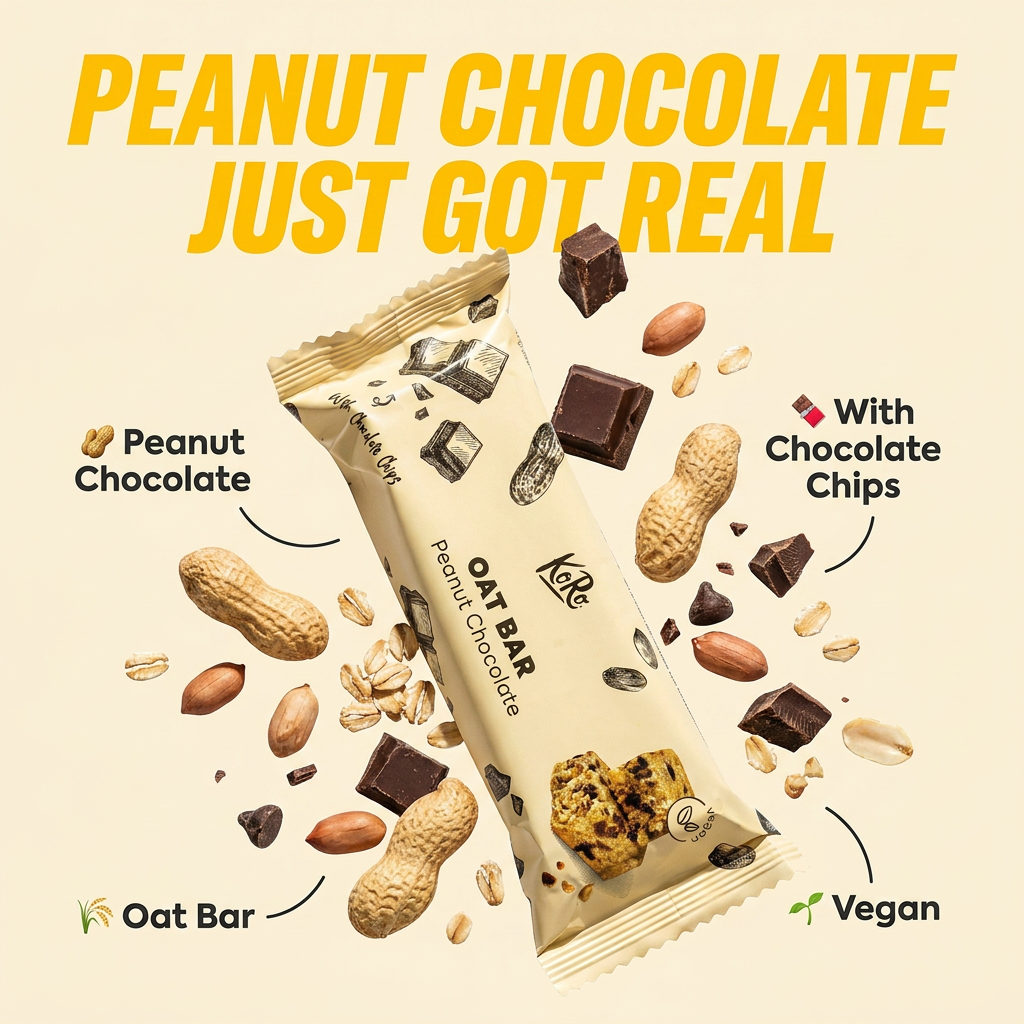
Drop in any product shot and watch it turn into a bold, high-energy square ad. It automatically reads your packaging to pull out the dominant colors and text, then builds a vibrant poster styled perfectly around your brand.
Regenerate using your own assets.
Putting it to work: Ad factory templates for your industry
Different products and audiences respond to different visual styles. Your ad factory can be adapted to any industry by swapping out the core generation template. Here are a couple of powerful starting points available in MyUP.
For Apparel and E-commerce Brands
If you're selling activewear, fashion, or other direct-to-consumer goods, you need ads that feel dynamic and professional. This template is designed to create high-energy shots that put the product front and center, perfect for social feeds.
Workflow code: #myup-ywpr-rqz6
Professional Sportswear Ad
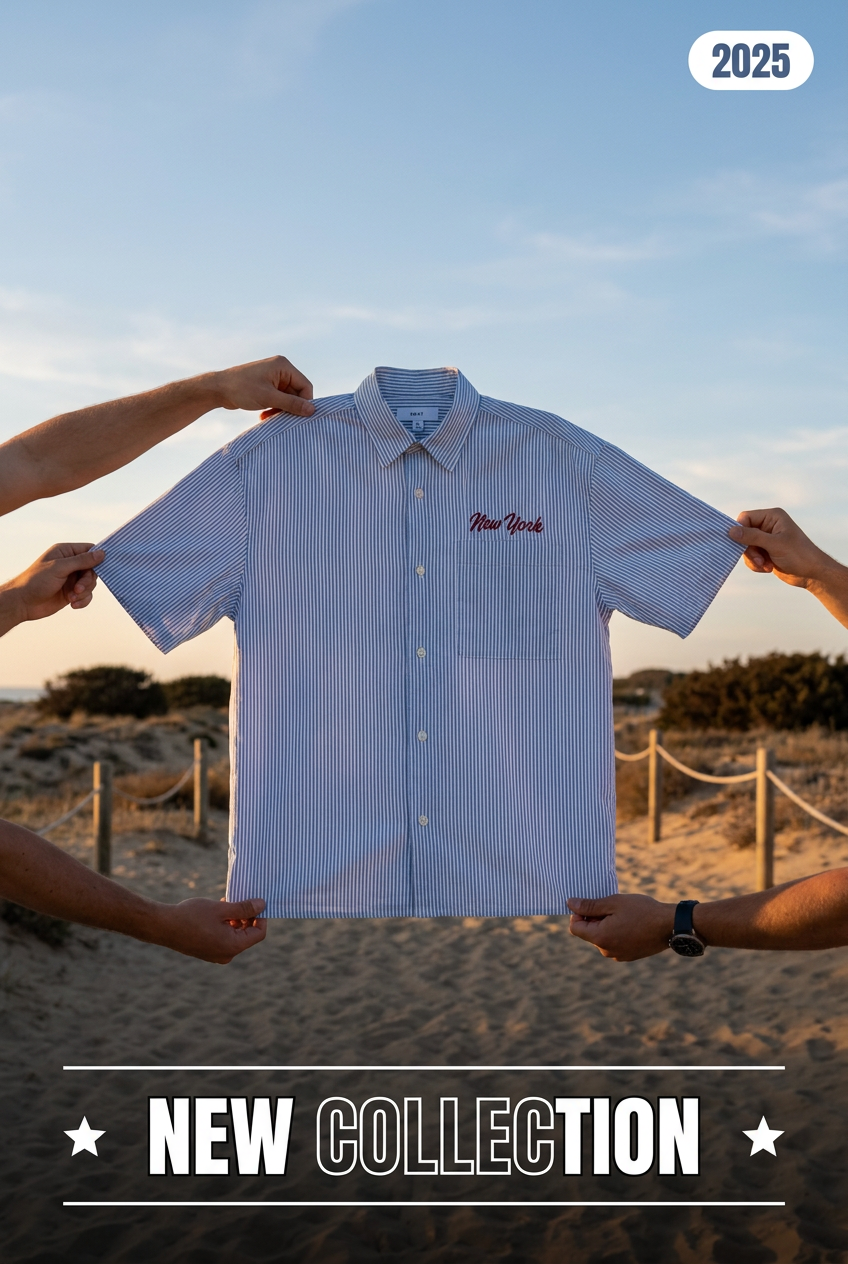
Suspends your apparel right in the center of a high-energy promo shot, held up by hands around the frame. It gives your shirts or jerseys a gritty, collaborative streetwear editorial look that feels alive and physical.
Regenerate using your own assets.
For CPG and Food Brands
For consumer packaged goods, color and appetite appeal are everything. This template creates bold, vibrant compositions that make your product look irresistible. Connect it to a spreadsheet of different product flavors and taglines to generate a full campaign's worth of assets.
Workflow code: #myup-j6sp-glnw
Fruit Advertisement Campaign
Drop your product straight into a lush, hyperrealistic pile of fresh sliced fruit. It takes your clean product shot, blends it into rich organic textures, and generates a premium, slow-motion falling animation ready for a luxury cosmetic or food ad.
Regenerate using your own assets.
The key is that the system remains the same. You still use your Brandkit and a spreadsheet of variables. Only the creative template at the core of the workflow changes, giving you endless flexibility without sacrificing speed or brand control.
The final step: Human validation, not just AI execution
The purpose of an AI ad factory isn't to remove the marketer from the process; it's to eliminate the low-value, repetitive production work so you can focus on strategy. MyUP executes, but you validate.
Once your workflow has generated 100 ad variations, they appear in a gallery for your review. Your job is no longer to be a pixel-pusher but a creative director. You quickly scan the options, discard any that don't feel right, and approve the batch you want to deploy for A/B testing. MyUP handles the production; you make the final call. This combination of automated scale and human oversight is what allows you to test creative hypotheses faster than ever before, find winning ads, and drive better campaign results.