
Does this scenario sound familiar? You've spent hours trying to generate the perfect AI product photo, but the shadows still look fake—flat, harsh, or just plain wrong. Your product looks like it's been cut and pasted onto the background. This single flaw can undermine an otherwise great image, making it unusable for commercial purposes. You're not alone; it's one of the most common frustrations for creators using AI for commercial work. This guide will show you how to solve it for good.
Why your AI product photos have flat, fake shadows
You’ve seen the posts on Reddit and creator forums. You’ve probably lived it. You spend hours crafting the perfect prompt for your product photo, only for the AI to return an image where the lighting is flat and the shadows look fake, as if the product is floating in space. The telltale sign is a generic, blurry drop shadow that has no relationship to the light source. It looks cheap, and it erodes customer trust.
This happens because most image generation models don't truly understand the physics of light. They are trained on 2D images and can only mimic the patterns they've seen. They don't calculate how a key light should create soft highlights, how a fill light should soften shadows, or how an object should cast a realistic shadow that grounds it in the scene. Getting this right is the difference between a commercially viable asset and a failed experiment.
The 'expert' method: engineering light with complex tools
To solve this, many advanced creators turn to complex, node-based systems like ComfyUI. Their production process involves intricate graphs that chain together multiple models and ControlNets. They might use a depth map to inform the AI about the scene's 3D structure, a normal map to define surfaces, and specialized LoRAs trained specifically on lighting styles like 'softbox lighting' or 'dramatic side light'.
This method is incredibly powerful and offers granular control. You can essentially engineer a virtual photo studio. But for a business, marketer, or e-commerce owner, it's completely impractical. The learning curve is steep, the process is time-consuming, and it turns you into a technical operator instead of a creative director. You spend hours debugging nodes instead of focusing on your brand's message.
The 'patchwork' method: fixing bad lighting in post-production
Another popular workaround is to fix bad lighting in post-production. After getting a decent but flawed image from an AI generator, you might take it into Photoshop or a newer tool with a 'light brush' to manually paint in contact shadows and highlights. This feels productive, but it's a symptom of a broken creative process. You are spending valuable time correcting a mistake that shouldn't have been made in the first place.
This patchwork method is inefficient and doesn't scale. If you need a dozen images for a product launch, you're now facing hours of manual editing on top of the generation time. It's a temporary fix, not a sustainable solution for professional creative production.
A better approach: from technical prompts to creative intention
The core problem isn't the prompt; it's the paradigm. You shouldn't have to tell the AI how to create a shadow. You should only have to state your creative intention. Instead of thinking, "I need a soft shadow at a 45-degree angle from a key light," you should be thinking, "I want a clean, minimalist product shot for a skincare brand, with soft morning light."
This is the philosophy behind MyUP, the Creative Production Platform. MyUP translates your creative intent into the complex technical execution. It handles the underlying physics of light, shadow, and reflection, delivering a finished, studio-quality result that is ready to publish. You maintain the vision; MyUP handles the technical production.
Practical guide: creating studio-quality lighting in minutes
Creating a professional product shot with realistic lighting in MyUP is a straightforward process focused on your goal, not on technical jargon. You simply describe the finished creation you want.
Instead of wrestling with nodes, you can start with an intention like, "Create a full ad campaign for my new luxury skincare cream." MyUP understands the components of a 'luxury ad campaign' and produces a set of consistent, on-brand visuals. This includes:
- A clean hero shot with perfect studio lighting and soft, believable shadows.
- A lifestyle image showing the product in an elegant, aspirational setting.
- A macro shot focusing on the product's texture, with highlights that convey quality.
- A social media-ready vertical video or image.
The lighting and shadows are perfect across all assets because they are an integral part of the production, not an afterthought. For a complete set of visuals like this, you can use a pre-built creative template developed by a top creator. For instance, the Luxury Skincare Product Ad Campaign (Template: #myup-vccl-cyv5) executes this entire creation from a single product image and a brief description.
Luxury Skincare Product Ad Campaign
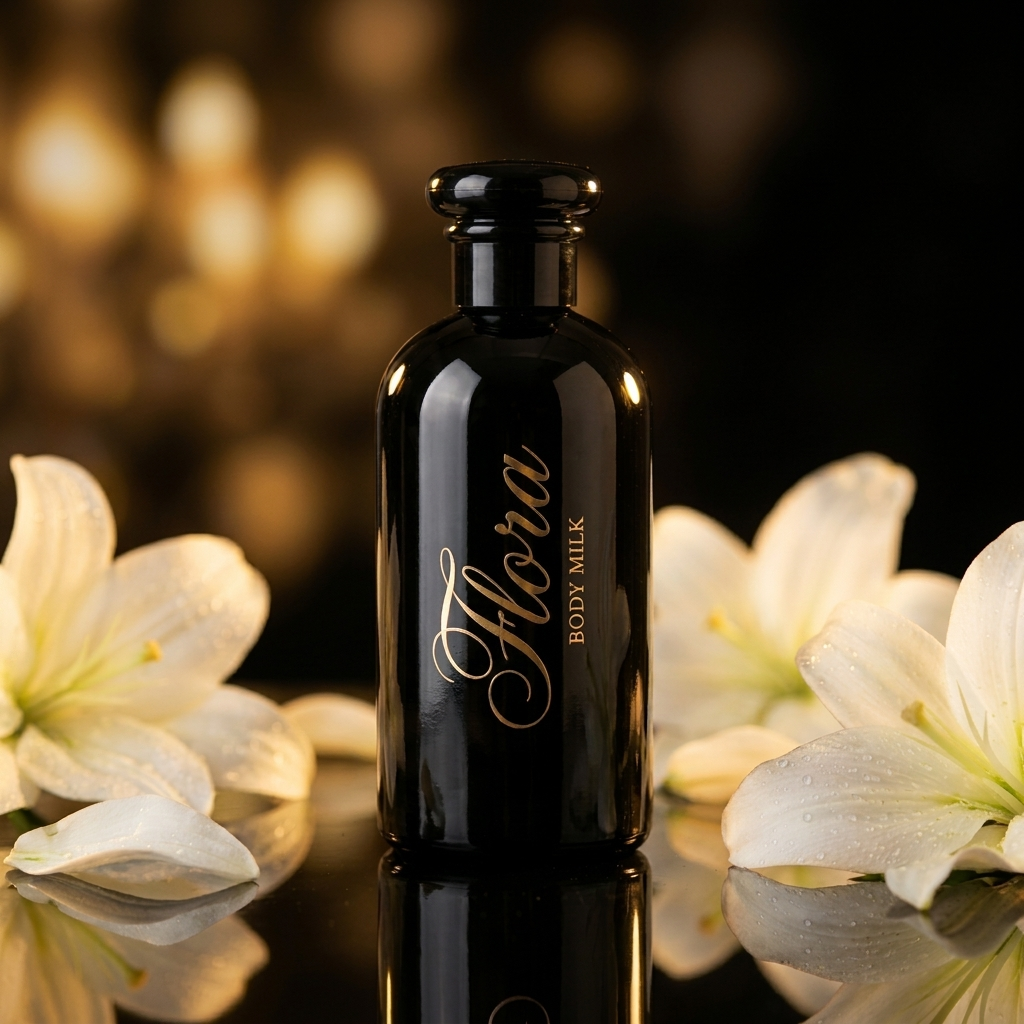
Create a polished luxury advertising set from a single beauty product image. This reusable 4-step workflow generates a clean studio hero shot, an elegant lifestyle scene, a macro product detail and a vertical social media composition while preserving the visual identity of the uploaded product. Designed for skincare, cosmetics and premium beauty products.
Regenerate using your own assets.
Example: achieving a 'golden hour' commercial glow
Let's say you need a high-end visual for a new perfume, something with a warm, aspirational feel. In a traditional process, you'd need a lighting director to set up for a 'golden hour' shoot. With complex AI tools, you'd be searching for the right LoRA and prompt combination. In MyUP, your intention is simple: "a cinematic commercial video for a luxury perfume, with a golden hour glow."
MyUP's production engine interprets this and builds the scene with the correct lighting characteristics—low-angle sun, long and soft cast shadows, and warm highlights on the product. You get a finished video or a set of stills that look like they came from a high-budget commercial shoot. To achieve this instantly, you can use the Luxury Perfume Brand Commercial Video (Template: #myup-mvtk-dmtt), which packages this entire aesthetic into a reusable format.
Luxury Perfume Brand Commercial Video
Capture a cinematic glow that makes any subject look like a brand icon. This process blends a sharp, low-angle still with a fluid motion sequence to turn your product into the star of a golden hour commercial.
Regenerate using your own assets.
Example: creating minimalist, elegant product shots
The same principle applies to a completely different aesthetic. What if you need clean, minimalist product shots for an e-commerce site? The goal is clarity and elegance, not dramatic flair. The lighting should be bright, even, and diffuse, like in a professional studio with large softboxes. The shadows should be subtle and soft, defining the product's form without being distracting.
Your intention in MyUP would be: "an elegant and minimalist advertising poster for my product, on a clean cream background." MyUP generates the shot with flawless soft lighting and accurate contact shadows that make the product feel tangible and real. For a polished editorial look, the Minimalist Elegant Product Advertising Poster (Template: #myup-fy77-jljs) provides the perfect setup for this kind of clean, high-end visual.
Minimalist Elegant Product Advertising Poster
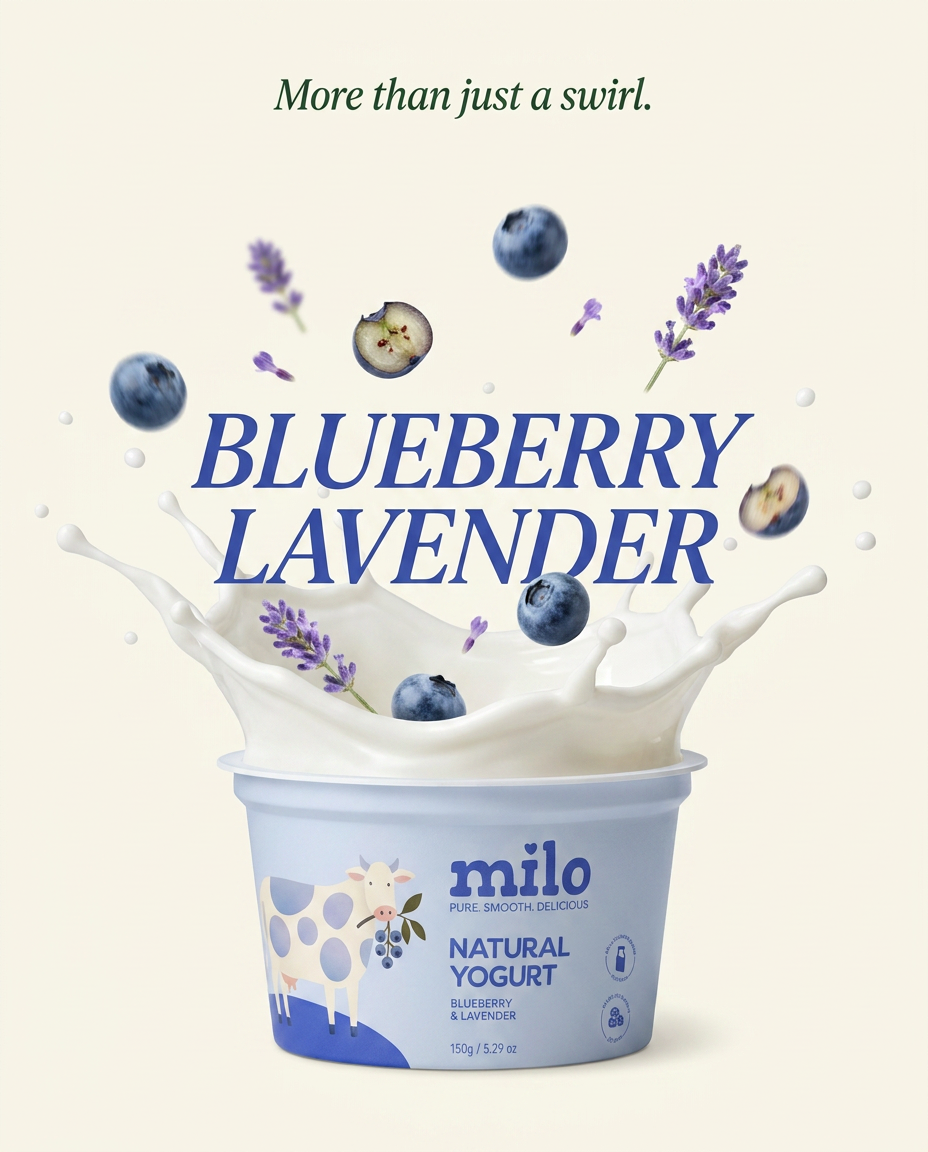
Turn any product shot into a high-end editorial ad. It places your item against a soft cream background with airy spacing and adds elegant, small serif typography at the top. Great for wellness or luxury brands wanting a calm, minimal aesthetic.
Regenerate using your own assets.
Beyond single shots: ensuring lighting consistency with a Brandkit
For any e-commerce brand, consistency is critical. One of the biggest challenges of using AI for product photography is ensuring every image shares the same lighting style. A catalog with mismatched lighting looks unprofessional and damages brand perception. This is where a simple image generator fails, and a creative production platform excels.
MyUP solves this with its Brandkit feature. You can define your brand's signature lighting style once—for example, "bright, airy softbox lighting with light gray backgrounds"—and save it. Then, for every new product you add, MyUP automatically applies that same lighting setup. Your entire product catalog becomes visually cohesive, as if it were all shot in the same studio on the same day. This moves beyond generating single images to managing the visual identity of your entire brand.
You're a creative director, not a lighting technician
Achieving realistic lighting and shadows shouldn't require a degree in 3D rendering or hours spent connecting nodes. Your job is to have a creative vision for your brand and your products. The tools you use should serve that vision, not obstruct it.
By shifting from technical prompts to creative intention, you can bypass the complexity and frustration. With a platform like MyUP, you can focus on your business goals, confident that the finished visuals will be studio-quality, on-brand, and ready to convert. Let the platform be the lighting technician; you remain the creative director.