
You've mastered the craft, but your income is capped
You’ve spent the last six months mastering Higgsfield. You can craft that specific dreamy, kinetic style everyone wants. Clients are paying you for one-off clips, maybe $150 here, $200 there. The work is steady, but you’re hitting a wall. There are only so many hours in a day, which means your income has a hard ceiling. For every stunning clip you sell, you’re selling a piece of your time. That model doesn’t scale.
The most successful creators aren't just selling their time; they're selling their expertise as a product. They’ve turned their unique creative process into a scalable asset that generates revenue while they sleep. This isn't about working harder; it's about building a smarter business model around the talent you already have.
This playbook is your guide to making that transition. We'll break down the practical steps to package, price, and sell your signature AI style as a digital product. It’s a path that platforms like the MyUP Creator Program are built to support, giving you the infrastructure to become a founder, not just a freelancer.
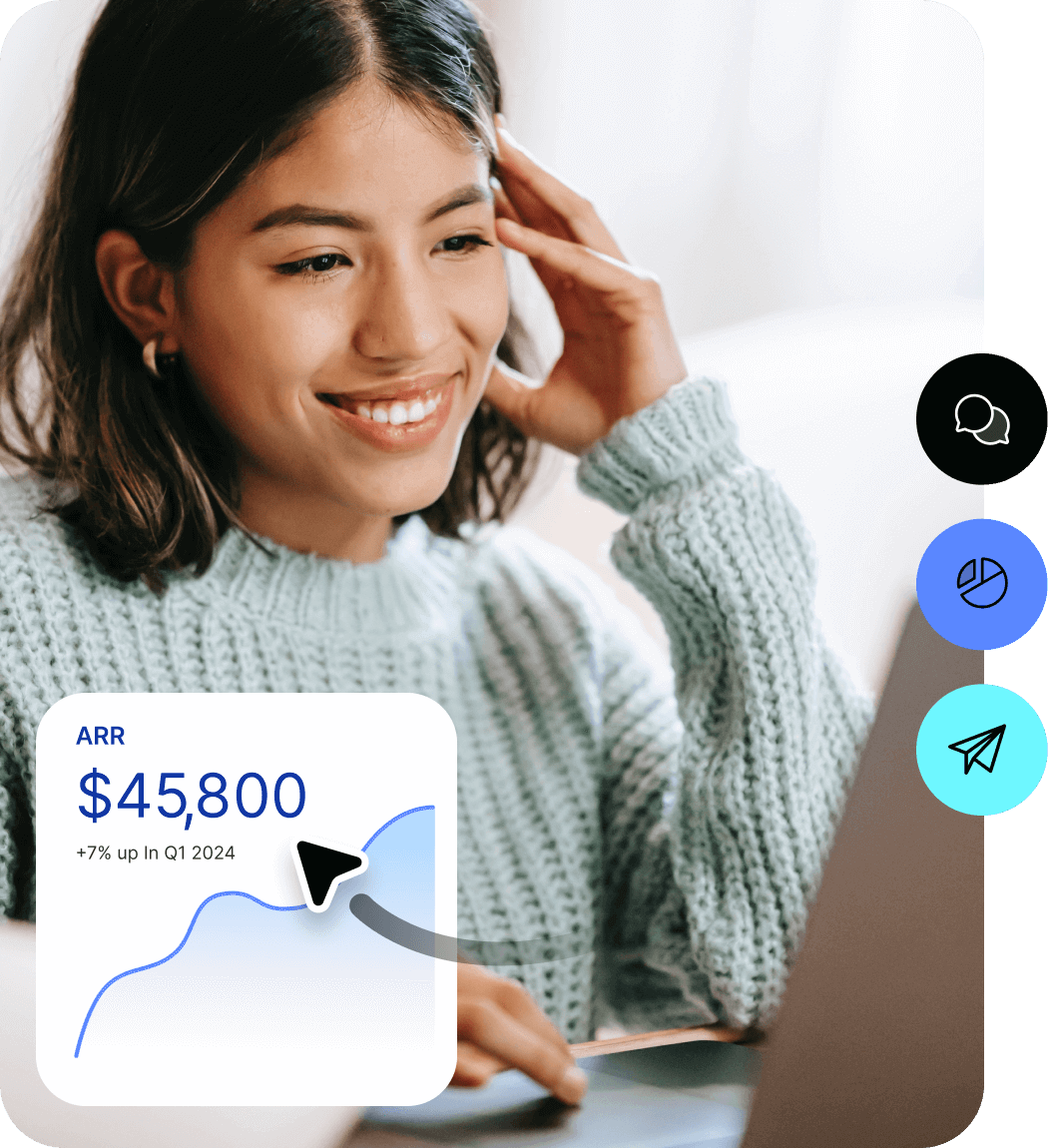
Build once. Get paid on repeat.
Package your AI workflow and sell it to a built-in audience of creators.
Step 1: The mindset shift from service provider to product owner
The first step isn't technical; it's a fundamental change in perspective. As a freelancer, your mindset is reactive. A client requests a video, you create it, you deliver it, you get paid. Your value is measured in hours and deliverables. You think in terms of your day rate.
As a product owner, your mindset becomes proactive. You are no longer just executing a client’s vision; you are creating a solution that multiple customers can use. Your value is measured in scalability and market fit. You stop thinking about how much you can charge for an hour and start thinking about the total value an asset can provide to hundreds of users.
This shift means moving from “What can I make for this client?” to “What problem can my unique style solve for an entire market?”
This also means embracing new responsibilities. You're not just a creator anymore; you're also in charge of marketing (showcasing your template), support (helping users get the most from it), and product development (updating and improving your template over time). It's more ownership, but it's the only path to uncapped income.
Step 2: How to package your signature style into a sellable asset
Your “style” feels intuitive, but to sell it, you must deconstruct it into a logical system. A sellable template isn’t just a prompt; it’s a repeatable creative method that gives another user a predictable, high-quality result. Here’s how to break it down.
1. Isolate the Core Aesthetic
What makes your style unique? Write it down. Is it the camera movement (e.g., a slow, parallax dolly zoom)? Is it the color grading (e.g., desaturated tones with a pop of neon)? Is it the textural quality (e.g., a grainy, 16mm film look)? Be specific. This core aesthetic is the non-negotiable part of your template—the signature element people are buying.
2. Define the User-Editable Variables
A template is useless if it’s rigid. The magic is in allowing users to inject their own content while preserving your style. Identify the inputs. What should the user be able to change?
- The Subject: Can they upload a photo of a person, a product, or a logo?
- The Color Palette: Can they define a primary brand color that influences the scene?
- Text Overlays: Can they add their own headline or call to action?
- Background Elements: Can they specify a setting, like “in a forest” or “on a city street at night”?
The more thoughtful your variables are, the more valuable your template becomes.
3. Build a Compelling Showcase
Don’t just tell people what your template does; show them. Create 5-10 diverse examples to prove its versatility. If your template is for product videos, show it with a sneaker, a skincare bottle, and a piece of jewelry. If it’s for character animations, show different faces and body types. This showcase is your single most important marketing tool. It needs to make potential buyers say, “I need that result.”
Step 3: A practical framework for pricing your AI templates
Pricing is the question that paralyzes most creators. You’re not selling a video clip anymore; you’re selling a tool. The price shouldn't be based on the time it took you to build the template, but on the value and time it saves your customer. Here is a simple framework to start with.
- Tier 1: The Simple Preset ($29 – $79)This is a single-purpose creative effect. It might be a specific color grade, a unique camera motion, or a textural overlay. It does one thing exceptionally well. It's an impulse buy for creators who want a quick aesthetic boost.
- Tier 2: The Creative Kit ($79 – $149)This is a more complex package that solves a multi-part problem. For example, it might be a character creation template that includes a consistent face plus a set of five outfits and three background styles that are designed to work together. It offers more variables and produces a more complete result.
- Tier 3: The Production System ($149 – $249+)This is a complete, multi-step production process packaged into one asset. For instance, a system that takes a single product photo and generates a studio hero shot, a lifestyle context shot, and a short animated video for social media, all in a consistent style. These are high-value tools for businesses and marketing agencies who need campaign-level assets. For more on valuing your output, see our guide on pricing AI creative services.
Your price is justified by uniqueness, complexity, and the demonstrated value in your showcase. Don't be afraid to charge a premium for a truly unique and powerful style.
Step 4: Where to sell your templates (and why it matters)
Once you have a product, you need a storefront. Where you choose to sell has a massive impact on your audience, your pricing power, and your long-term success. You have three main options.
Option 1: Your Personal Website
The upside: You keep 100% of the revenue and have full control over your brand. The downside: You are responsible for everything. Building the site, integrating a payment processor like Stripe, marketing, driving traffic, and handling customer support. This is a full-time job in itself and can distract you from what you do best: creating.
Option 2: Generic Digital Asset Marketplaces
The upside: They have existing traffic and a low barrier to entry. The downside: You're competing in a crowded, noisy environment where price is the main differentiator. This often leads to a race to the bottom. The audience is broad, full of hobbyists, and not necessarily the high-value business clients willing to pay a premium for a quality solution.
Option 3: A Specialized Creator Platform
The upside: This is the sweet spot. Platforms like MyUP are built specifically for this new economy of AI creators. You get access to a curated, built-in audience of businesses, marketers, and entrepreneurs who are actively looking for professional-grade creative solutions, not just cheap assets. The infrastructure—payments, hosting, user interface—is already built. This allows you to focus solely on creating.The downside: You share a percentage of the revenue, but the trade-off is access to a high-intent market without having to build it yourself. For most creators, this is the fastest path to meaningful revenue. The MyUP Creator Program offers instant activation, letting you publish and monetize your templates without a lengthy application process.
Your next move: Go from creator to founder
You have a valuable asset: a unique creative style that the market wants. Continuing to sell it by the hour is leaving money on the table and capping your potential. By shifting your mindset from service to product, you can build a business that scales far beyond your personal time.
This playbook gives you the strategic framework. Deconstruct your style, package it into a valuable and flexible asset, price it based on the value it provides, and choose a platform that connects you with the right buyers. The opportunity is no longer on the horizon; it's here now.
The infrastructure is ready. The audience is waiting. Start building your product-based business today on the MyUP Creator Program.