
You've invested in creating great video content, and you're using a tool like Opus.pro to efficiently turn it into short, shareable clips. But there’s a problem: your videos look exactly like everyone else's. This is the challenge you face when a tool's output is just raw material, not a finished creation. This guide provides the practical production method to solve that problem, moving you beyond generic defaults to truly on-brand video assets.
The ‘Opus look’: why your AI-generated videos look like everyone else's
You’ve seen it, and now you can't unsee it. That specific style of short-form video flooding your social feeds—the same animated captions, the same font, the same emoji reactions. It’s the ‘Opus look,’ and it’s a sign that a brand is using an AI clipping tool like Opus.pro without thinking about the final, most important step: creative production. While these tools are fantastic for discovering viral moments in your long-form content, their default settings are turning brand channels into a sea of sameness. As discussions on Reddit and X confirm, creators and marketers are actively searching for ways to break free from this generic aesthetic. The efficiency of AI is pointless if it strips your content of its unique brand identity.
The manual re-editing bottleneck: why exporting to CapCut isn't the answer
The most common advice for this problem is a frustratingly manual one: export your raw clip from Opus.pro and re-edit it in another tool like CapCut. This involves painstakingly deleting the generic captions, adding your own logo, manually color-matching your brand palette, and trying to recreate sophisticated caption animations from scratch. This multi-tool shuffle isn't a solution; it's a production bottleneck.
You sacrifice hours to fix a problem the AI tool created in the first place, completely negating the promise of speed and efficiency. Every clip becomes a time-consuming, one-off project. This approach is impossible to scale and guarantees inconsistencies will creep into your content, weakening the brand you’re working so hard to build.
The solution: from raw material to finished creation with a Brandkit
The real solution isn't to abandon AI but to use the right kind of platform. Stop thinking about tools that just generate clips and start thinking about a platform that produces finished creations. The problem with Opus.pro isn't that it finds bad clips; it's that it treats branding as an afterthought—a logo and a couple of color choices. True branding is about your entire visual system: your specific fonts, your full color palette, your motion design language, and your graphic style. In MyUP, this is all managed by a Brandkit.
You create your Brandkit once—often by just providing your website URL—and MyUP instantly learns your logos, colors, and fonts. From that point on, your brand isn't just an overlay; it's the foundation for every creation. The platform’s job is to take your intention—like 'turn this raw clip into an on-brand social video'—and handle the complex production steps automatically, guided by your Brandkit.
A practical guide: transforming your Opus.pro clips in MyUP
Let's walk through the actual creative realization process. It’s not about juggling multiple apps; it’s about a single, intention-driven path from a raw clip to a publish-ready asset.
Step 1: Get your raw material. Use Opus.pro for what it’s good at: identifying and clipping the most engaging moments from your long-form video. Download the clip without any of its default branding or captions. You just want the clean video file.
Step 2: Define your brand in MyUP. If you haven't already, set up your Brandkit in MyUP.ai. This is a one-time setup that takes minutes. You can provide your website URL, and MyUP will automatically extract your logos, color palette, and typography. This becomes the central source of truth for your brand's visual identity.
Step 3: State your intention and apply a template. Instead of manually editing, you simply tell MyUP what you want to create. Upload your raw clip and choose a creative template that matches your desired aesthetic. For instance, if you want a sophisticated, high-end feel, you can use a template designed for that exact purpose. The template automatically applies your Brandkit—your fonts, colors, and logo—while adding professional-grade animated captions and graphics. The result is a finished video that is unmistakably yours.
For a high-end commercial feel with a cinematic glow, a template like this one is ideal for transforming a simple product clip. Template: #myup-mvtk-dmtt
Luxury Perfume Brand Commercial Video
Capture a cinematic glow that makes any subject look like a brand icon. This process blends a sharp, low-angle still with a fluid motion sequence to turn your product into the star of a golden hour commercial.
Regenerate using your own assets.
Beyond single clips: scaling on-brand video for entire campaigns
Fixing one video is good, but building a brand requires consistency at scale. The real power of this approach is realized when you need to produce an entire campaign. Imagine you have ten clips from a webinar. The manual CapCut method means ten separate, tedious editing sessions. With MyUP, the process is different.
Because your Brandkit is already defined, producing the next nine videos is as simple as running them through the same creative template. The platform ensures every single asset—from the first to the hundredth—has the exact same on-brand captions, colors, and logo placement. You achieve perfect brand consistency without any extra effort. This is how you move from being a content creator to a content producer, building systems that scale your brand's presence and impact. For those thinking about how to turn a single asset into a full suite of campaign visuals, this is the core principle. You can explore how one idea can fuel an entire campaign with a structured production method. Template: #myup-vccl-cyv5
Luxury Skincare Product Ad Campaign
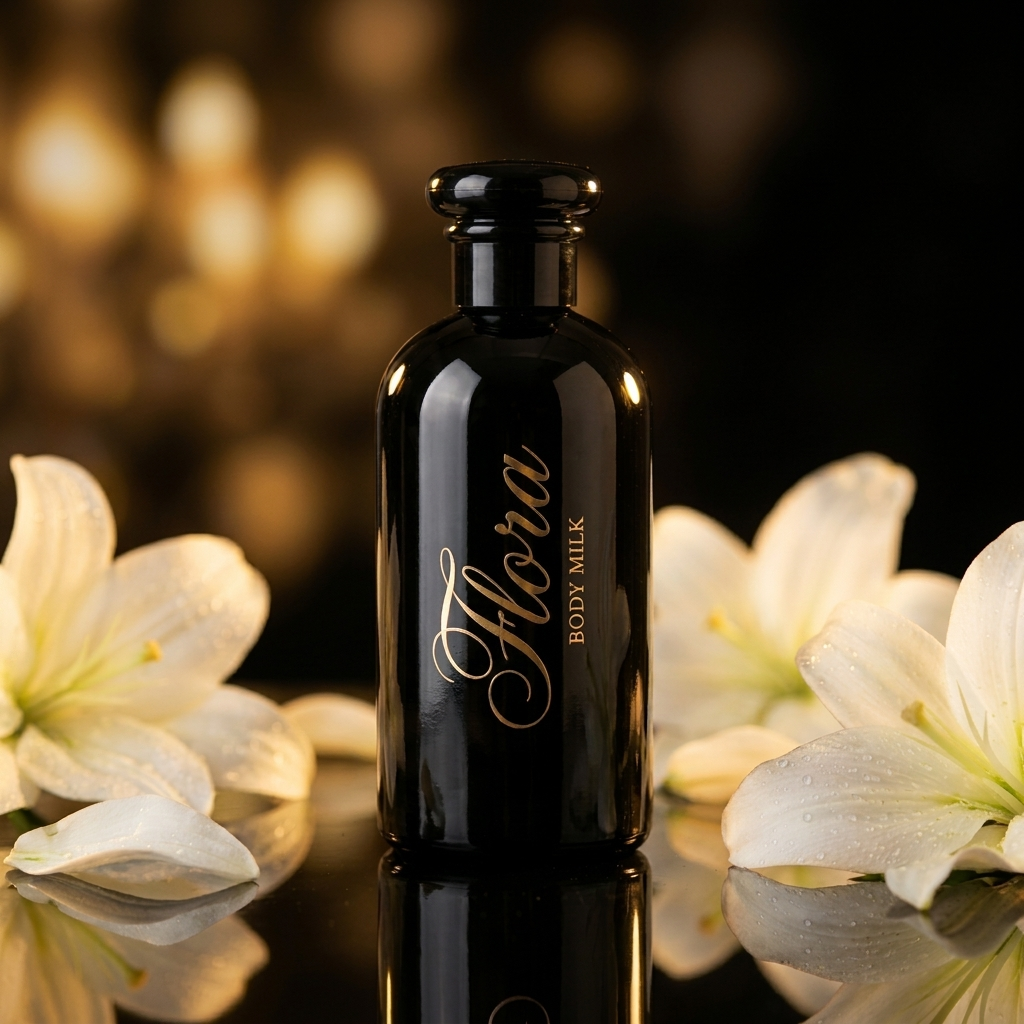
Create a polished luxury advertising set from a single beauty product image. This reusable 4-step workflow generates a clean studio hero shot, an elegant lifestyle scene, a macro product detail and a vertical social media composition while preserving the visual identity of the uploaded product. Designed for skincare, cosmetics and premium beauty products.
Regenerate using your own assets.
This systemic approach is not just more efficient; it's strategically smarter. As detailed in our guide on optimizing AI video costs, eliminating manual rework is the key to a profitable content strategy.
Stop generating clips, start producing assets
The flood of generic AI content is a massive opportunity for brands that prioritize quality and identity. Tools that generate raw material are just the first step. The real value—and the key to building brand equity—lies in the final production. By shifting your focus from simply generating clips to producing finished, on-brand assets, you can turn the efficiency of AI into a true competitive advantage. Stop blending in. Make every video unmistakably yours.