
You’ve embraced AI to scale your ad creation, but your A/B test results are flat. The reason is simple: most AI tools produce ad variations that are just superficial tweaks of each other—a slightly different headline, a minor color shift. This isn't real testing; it's testing shades of the same idea. Marketers are increasingly frustrated, finding that these look-alike creatives don't provide the deep, strategic insights needed to truly optimize a campaign. You're left guessing which core message, emotion, or visual concept actually resonates with your audience.
The recent release of OpenAI's GPT-6 Astra on September 3, 2026, marks a significant shift. This model's advanced contextual understanding allows it to generate genuinely different creative concepts from a single brief. However, raw power isn't enough. To make this useful for marketers, you need a production platform that can operationalize this capability at scale while maintaining perfect brand integrity. That platform is MyUP. We'll show you the practical method to turn Astra's potential into high-performing, testable ad campaigns.
The challenge of AI ad variations: why your tests are failing
You’ve embraced AI to scale your ad creation, but your A/B test results are flat. The reason is simple: most AI tools produce ad variations that are just superficial tweaks of each other—a slightly different headline, a minor color shift. This isn't real testing; it's testing shades of the same idea. Marketers are increasingly frustrated, finding that these look-alike creatives don't provide the deep, strategic insights needed to truly optimize a campaign. You're left guessing which core message, emotion, or visual concept actually resonates with your audience.
The recent release of OpenAI's GPT-6 Astra on September 3, 2026, marks a significant shift. This model's advanced contextual understanding allows it to generate genuinely different creative concepts from a single brief. However, raw power isn't enough. To make this useful for marketers, you need a production platform that can operationalize this capability at scale while maintaining perfect brand integrity. That platform is MyUP. We'll show you the practical method to turn Astra's potential into high-performing, testable ad campaigns.
GPT-6 Astra's breakthrough: generating conceptually distinct ad creatives
Previous AI models were excellent at pattern matching and modification, which led to the “superficial variation” problem. You’d ask for five ad options and get one core visual with five slightly rephrased taglines. GPT-6 Astra moves beyond this. Its strength lies in grasping the underlying intention and generating multiple, conceptually independent outcomes.
Imagine you're marketing a new coffee brand. Instead of just getting five ads showing a coffee cup, you can now instruct the system to test distinct strategic angles:
- Concept A (Productivity): A high-energy scene in a modern office, with professionals collaborating over coffee.
- Concept B (Comfort): A cozy, quiet morning at home, with soft light and a person enjoying a peaceful moment.
- Concept C (Social): A vibrant café setting with friends laughing and connecting.
This is the breakthrough marketers have been waiting for: the ability to test entirely different value propositions and emotional hooks, not just different words. MyUP integrates this power, allowing you to define these strategic intentions and receive finished, on-brand creatives for each distinct concept.
The MyUP method for high-impact A/B test ad production
A successful ad testing program requires more than just a powerful AI model; it demands a structured and repeatable production process. The MyUP method is designed for marketers, not AI technicians. You provide the strategic intention—what you want to test and achieve—and MyUP, our Creative Production Platform, handles the complex technical execution from A to Z. This step-by-step guide shows you how to produce a full suite of testable ad variations, from images to video, without ever sacrificing brand control.
Step 1: defining your testing strategy and core creative brief
Before generating a single pixel, define your hypothesis. A good test isn't random; it's a question you're asking your audience. What do you want to learn? Examples of strong testing hypotheses include:
- “We believe a visual emphasizing ‘scientific efficacy’ will outperform one emphasizing ‘natural ingredients’ for our skincare product.”
- “We think a video ad with a fast-paced, 3-second hook will have a higher click-through rate than one with a slower, 6-second cinematic opening.”
- “We predict that an ad showing the product in a realistic user-generated content (UGC) style will convert better than a polished studio shot.”
Once you have your hypothesis, you translate it into a clear creative brief for MyUP. For the skincare example, your intention would be: “Create two distinct ad campaigns for my serum. Campaign A: a clean, minimalist lab setting with scientific iconography. Campaign B: the product surrounded by lush, organic botanicals in a sunlit greenhouse.” This clarity is the foundation for generating truly different and meaningful variations.
Step 2: ensuring brand consistency across all ad variations with Brandkit
One of the biggest risks of scaling creative production with AI is brand drift. Generating dozens of variations can result in off-brand colors, incorrect fonts, or distorted logos, creating a mountain of manual rework. MyUP solves this with the Brandkit. You set up your visual identity once—by simply entering your website URL or uploading your assets—and MyUP automatically enforces these rules across every single creative it generates. Your colors, fonts, logo, and overall style are locked in. This means you can test radically different concepts while ensuring every variation is 100% on-brand. This is critical for maintaining a professional image and building brand equity, even during aggressive testing phases. For more on this, see our guide on achieving pixel-perfect brand consistency.
To see how a complete, multi-asset campaign can be generated while staying perfectly on-brand, you can use a ready-to-use production template. Template: #myup-vccl-cyv5
Luxury Skincare Product Ad Campaign
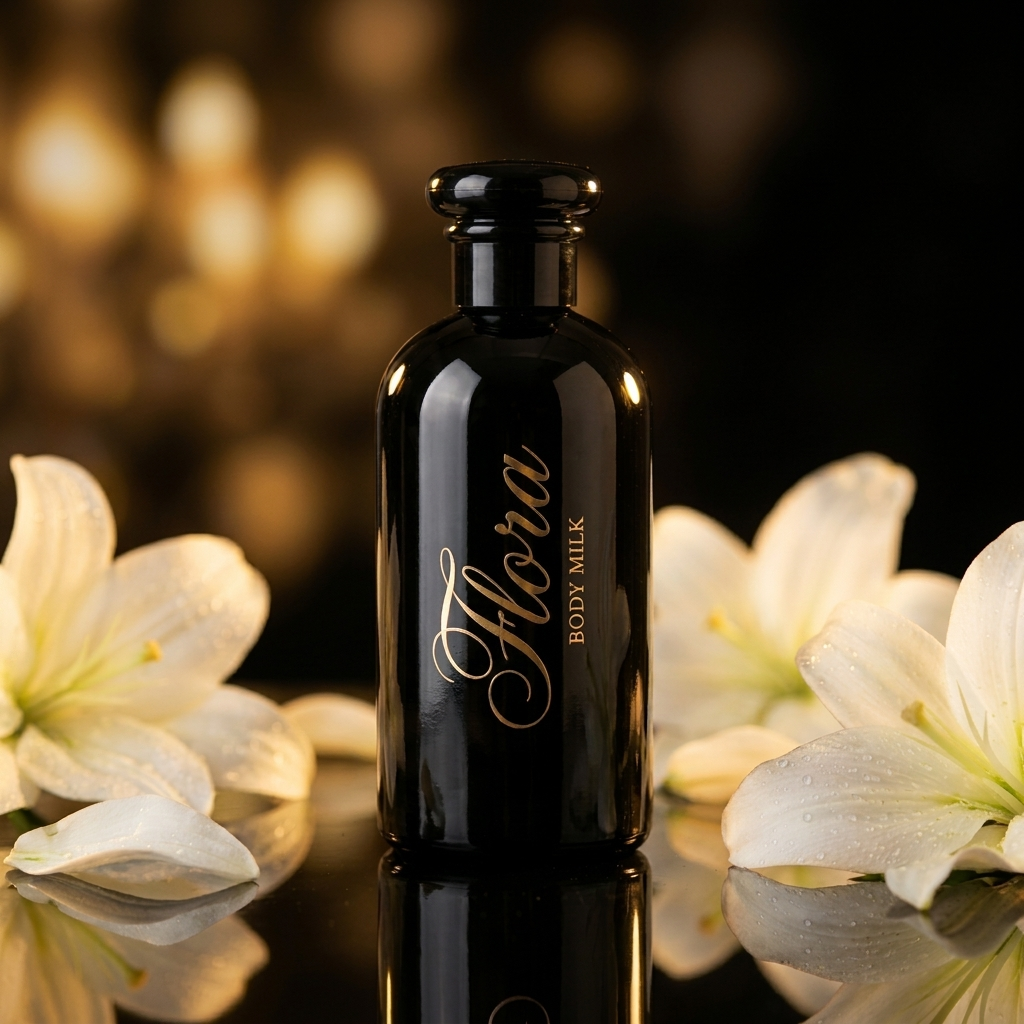
Create a polished luxury advertising set from a single beauty product image. This reusable 4-step workflow generates a clean studio hero shot, an elegant lifestyle scene, a macro product detail and a vertical social media composition while preserving the visual identity of the uploaded product. Designed for skincare, cosmetics and premium beauty products.
Regenerate using your own assets.
Step 3: producing diverse image-based ad concepts for robust testing
With your strategy defined and Brandkit active, you can now produce your image ad concepts. Using the brief from Step 1, you simply state your intention to MyUP. The platform leverages GPT-6 Astra to interpret your distinct concepts and produces finished, studio-quality images for each. The result isn't just a different background; it's a completely different narrative told through lighting, composition, and context. You receive two or more sets of ad creatives that are visually and conceptually unique, providing the clean separation needed for a valid A/B test. This process allows you to move from idea to multiple finished ad concepts in minutes, not days. To instantly test a bold, high-energy ad concept against your current visuals, a creative template can provide a powerful starting point. Template: #myup-zpby-tzie
Minimal Vibrant Product Advertising Poster
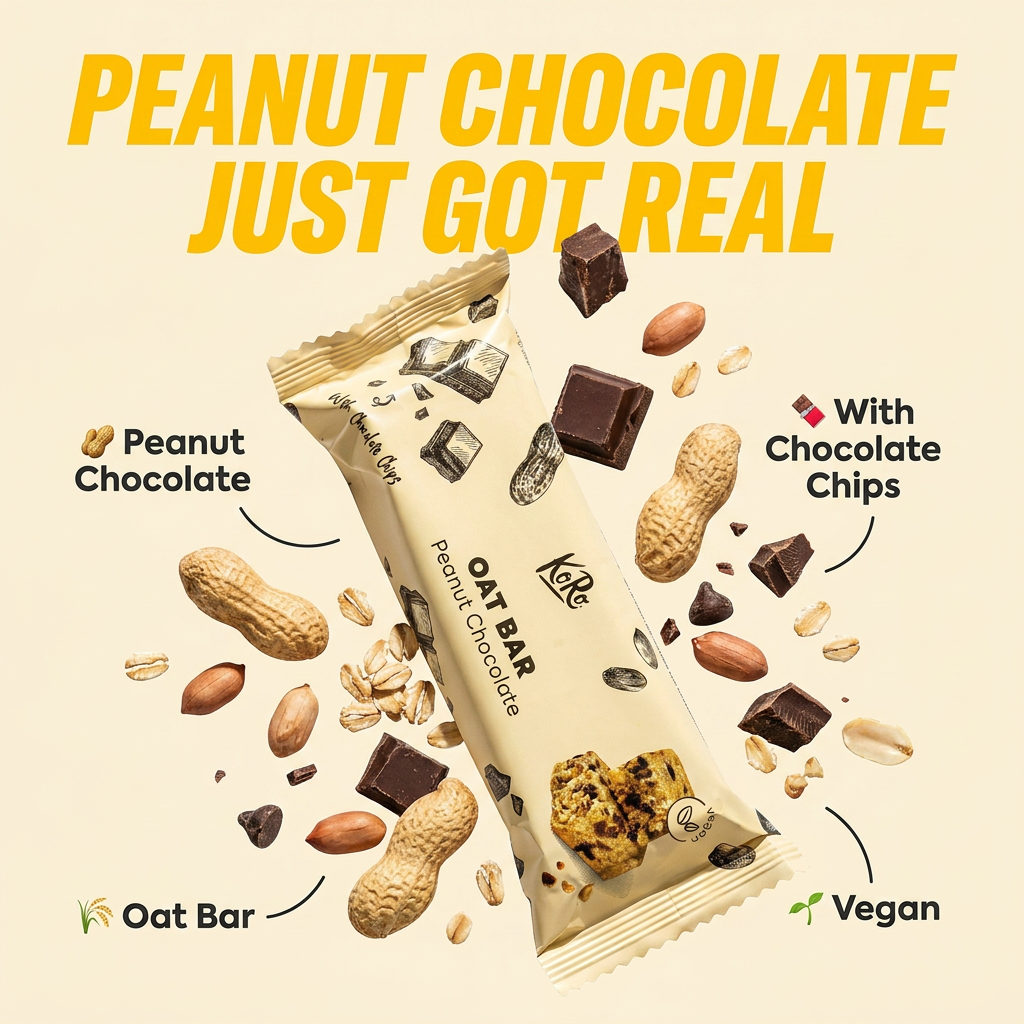
Drop in any product shot and watch it turn into a bold, high-energy square ad. It automatically reads your packaging to pull out the dominant colors and text, then builds a vibrant poster styled perfectly around your brand.
Regenerate using your own assets.
Step 4: creating dynamic video ad variations at scale
A/B testing video has traditionally been slow and expensive, making it impractical for most teams. MyUP changes this by applying the same intention-driven method to video production. You can test different hooks, pacing, music, or calls-to-action without needing complex video editing software. For example, you can upload your product clips and instruct MyUP:
“Turn these clips into two 15-second TikTok ad variations. Version A should have quick cuts, trending music, and text overlays appearing every 2 seconds. Version B should be more cinematic, with smoother transitions and an inspirational soundtrack.”
MyUP handles the production, delivering two polished, testable video ads. This finally makes scalable video A/B testing a reality for marketers. For brands looking to create a high-end feel, templates can accelerate the production of polished commercials. Template: #myup-mvtk-dmtt
Luxury Perfume Brand Commercial Video
Capture a cinematic glow that makes any subject look like a brand icon. This process blends a sharp, low-angle still with a fluid motion sequence to turn your product into the star of a golden hour commercial.
Regenerate using your own assets.
Step 5: scaling and managing multivariate ad creative tests
Why stop at A/B testing? For mature products, multivariate testing—simultaneously testing multiple headlines, images, and CTAs—can uncover the optimal combination of elements. The challenge has always been the sheer volume of creatives required. Testing 3 headlines x 4 images x 2 CTAs means generating 24 unique, on-brand ads. Manually, this is a nightmare. With MyUP, it's simple. You define the variable components, and the platform generates every possible combination as a finished creative. This allows you to run complex tests that were previously only accessible to companies with massive design teams, giving you a powerful edge in campaign optimization. You can even test different types of imagery, such as a product-only shot versus a lifestyle photo of someone using it. Template: #myup-xjsb-hirr
Bold Portrait Food Advertising Photo

Get those high-impact, tight action shots of people actually enjoying your food brand. It drops your product right into a messy, realistic close-up bite shot that feels like a premium lifestyle campaign instead of a boring studio packshot.
Regenerate using your own assets.
Why MyUP is the platform for advanced AI ad testing
Effective A/B testing is about learning, and you can't learn if you keep testing the same idea. The combination of GPT-6 Astra's conceptual generation and MyUP's creative production platform finally solves the problem of superficial AI variations. With MyUP, you can:
- Generate Truly Distinct Concepts: Move beyond minor tweaks to test fundamentally different strategic angles.
- Guarantee Brand Integrity: Automatically enforce your brand identity across hundreds of variations with Brandkit.
- Scale Across Formats: Effortlessly produce testable variations for images, videos, and complex multivariate campaigns.
- Get Finished Results: Stop wrestling with raw AI outputs. MyUP delivers complete, publish-ready ads, letting you focus on strategy, not technical production.
Ready to stop guessing and start running ad tests that deliver real insights and drive growth? Explore MyUP's plans and make your unimaginable campaigns possible.