On June 30, 2026, Google announced a fascinating new feature in NotebookLM: it can automatically generate a short, TikTok-style video clip summarizing your notes. It’s a clever idea that shows how quickly text-to-video technology is moving. But if you’re a marketer, social media manager, or founder, you likely had the same immediate thought we did: where are the brand controls?
An AI video generator that can't use your logo, fonts, or colors isn't a marketing tool. It's a novelty. For content to build a brand, it needs to look and feel like your brand. This guide walks through the professional workflow for turning any text into a polished, on-brand video asset ready for any social platform—the workflow that bridges the gap between a cool tech demo and a real marketing outcome.
Why brand consistency is non-negotiable for video
A random, unbranded video dropped into a feed of carefully curated content does more harm than good. It breaks the visual continuity you’ve worked hard to build. Brand recall plummets when the look and feel are inconsistent. Your audience develops a subconscious understanding of your brand's visual language—your colors, typography, and logo placement. When a piece of content ignores that language, it feels jarring and untrustworthy, like an imposter in their feed.
This isn't just about aesthetics; it's about performance. Consistent branding builds equity and trust, which are foundational to audience growth and customer loyalty. Every asset, from a static image to a short video clip, should reinforce your identity, not dilute it. That's why a production workflow must have brand controls built-in from the start. Tools that lack this 'brand memory' create one-off curiosities, not scalable assets. You need a system that remembers who you are every time you create.
The 4-step workflow for on-brand video from any text
Instead of settling for generic output, you can use a dedicated production platform like MyUP.ai to create videos that are not only generated from text but are also infused with your brand's unique visual identity from the very first step. The key is MyUP's Brandkit, which acts as a central memory for your visual identity, ensuring every piece of content is instantly recognizable.
Here’s the step-by-step process to move from a simple text document to a finished, on-brand social video.
Step 1: Feed your text and set your brand
The process begins with your source material. This can be anything: a blog post you want to repurpose, a customer testimonial, a set of product features, or even the same research notes you might feed into NotebookLM. Simply paste this text into MyUP.
Next, and most critically, you set your brand. This is a one-time setup. In MyUP, you create a Brandkit by providing your website URL. The platform automatically extracts your logo, brand colors, and fonts, storing them for all future projects. This simple step is what separates a professional workflow from a generic generator. Your brand is now locked in, ready to be applied to anything you create.
Step 2: Generate scenes and visuals automatically
With your text and Brandkit in place, MyUP's AI gets to work. It analyzes your script or notes and breaks it down into a logical sequence of scenes, suggesting corresponding visuals for each part. It builds a storyboard, turning your written words into a visual narrative structure.
This is where you can guide the visual style. Instead of accepting a default look, you can use a workflow designed for a specific aesthetic. For example, if you're creating a punchy ad for a food product, you can start with a template that establishes a bold, eye-catching visual language from the very beginning.
Workflow code: #myup-xjsb-hirr
Bold Portrait Food Advertising Photo
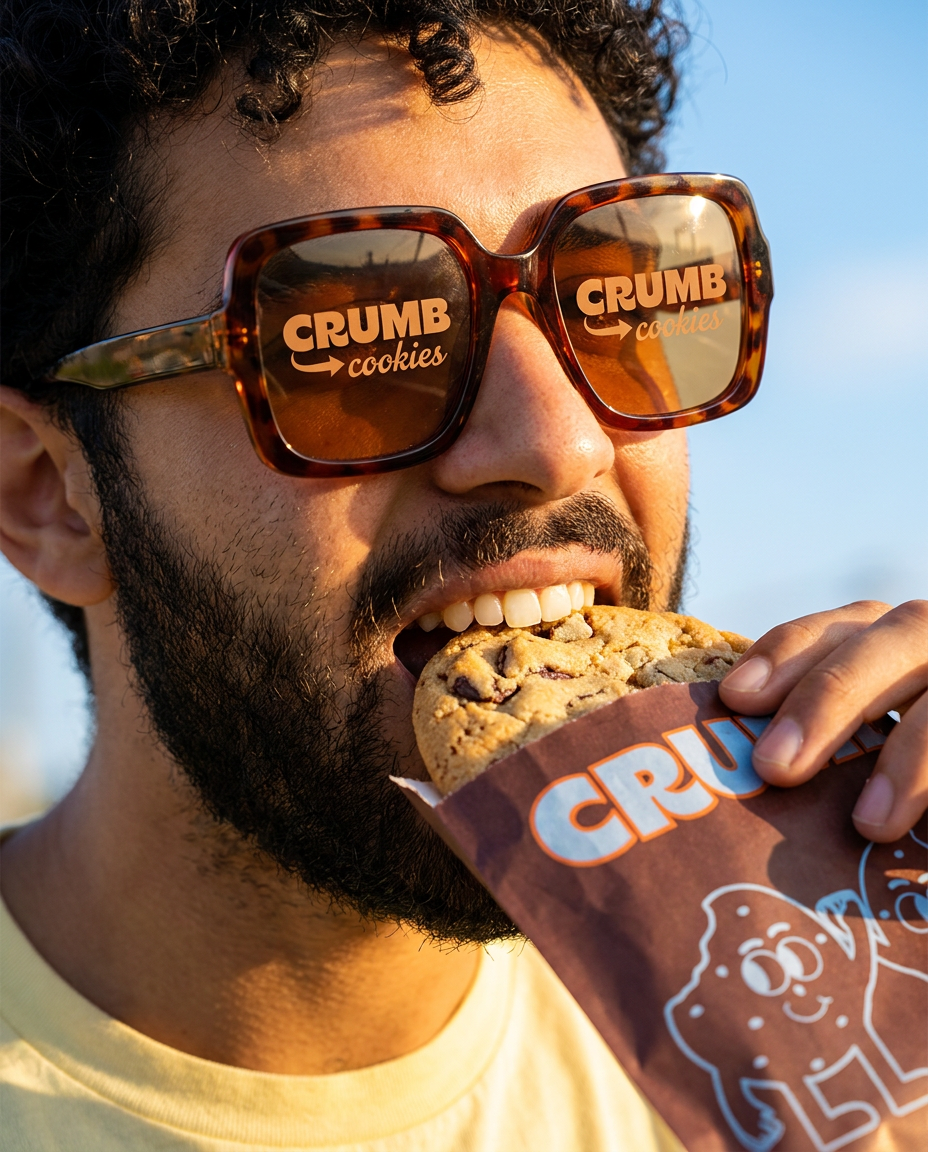
Get those high-impact, tight action shots of people actually enjoying your food brand. It drops your product right into a messy, realistic close-up bite shot that feels like a premium lifestyle campaign instead of a boring studio packshot.
Regenerate using your own assets.
Step 3: From generic clips to branded assets
This is the step where Google's workflow ends and the professional one truly begins. Once the scenes and initial visuals are generated, MyUP automatically applies your Brandkit. Your logo appears in the designated corner. Text overlays use your brand's specific fonts and colors. The background visuals are tinted or selected to align with your color palette.
The result is a transformation. What was a sequence of generic AI-generated clips becomes a cohesive, branded video that looks like it came from your in-house design team. The AI handles the heavy lifting of production, but the final output is unmistakably yours. For brands that need to create a high volume of content, like those needing a constant stream of social media assets, this automated branding is the only way to scale without sacrificing quality. It’s how you get from a simple idea to a polished ad in minutes.
Workflow code: #myup-ywpr-rqz6
Professional Sportswear Ad
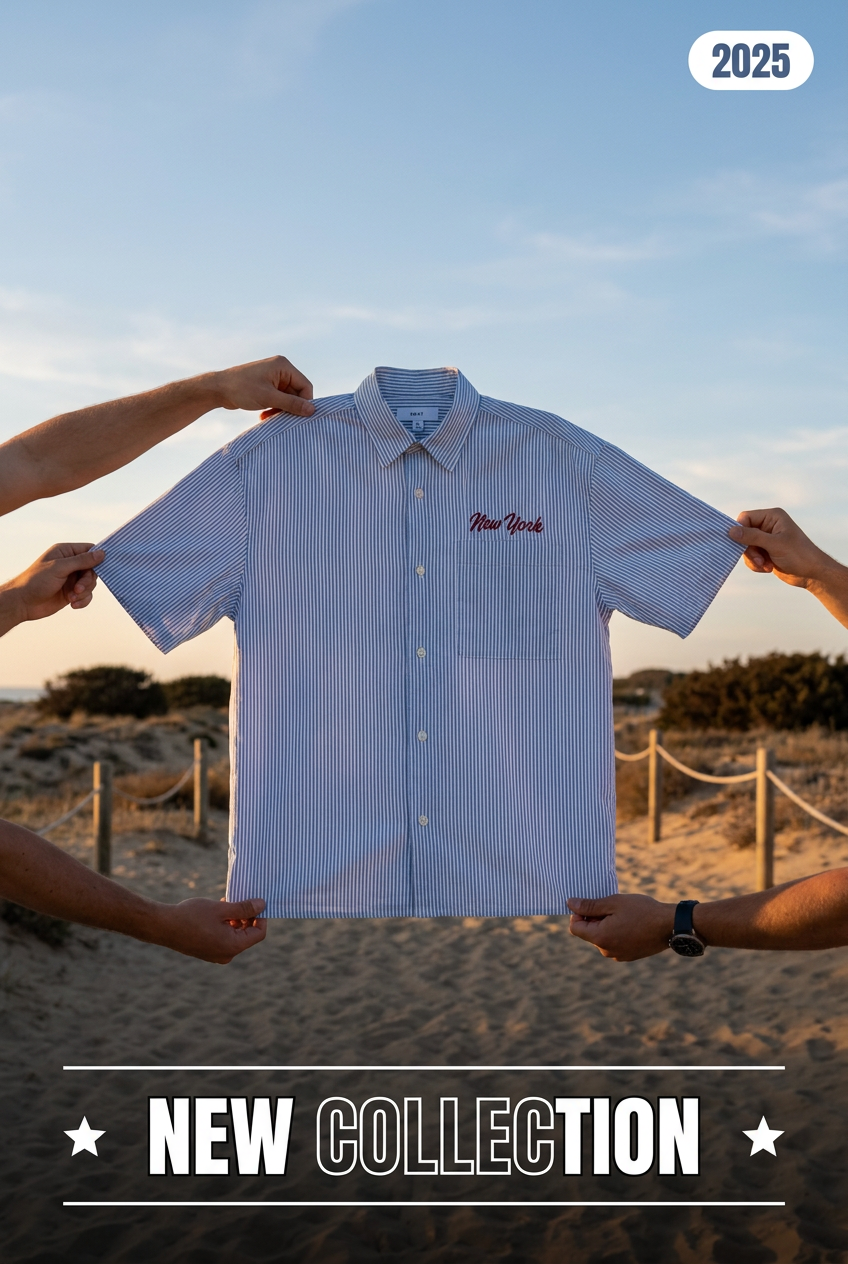
Suspends your apparel right in the center of a high-energy promo shot, held up by hands around the frame. It gives your shirts or jerseys a gritty, collaborative streetwear editorial look that feels alive and physical.
Regenerate using your own assets.
Step 4: Refine and export for TikTok, Reels, or Shorts
No AI output is perfect on the first try. The final step is about human validation and control. MyUP generates the video, but you approve and refine it. You can easily swap out a visual, tweak the timing of a scene, or edit the text overlays. The AI executes, but you have the final creative say. This ensures the quality and messaging are precisely what you intended.
Once you're satisfied, you can export the video in the correct aspect ratio for your target platform, whether it's 9:16 for TikTok and Reels, 1:1 for Instagram, or 16:9 for YouTube. The workflow ensures the final asset is not just on-brand but also technically optimized for the channel where it will be published.
Workflow code: #myup-fts6-4ihp
Vertical Gourmet French Fry Ad
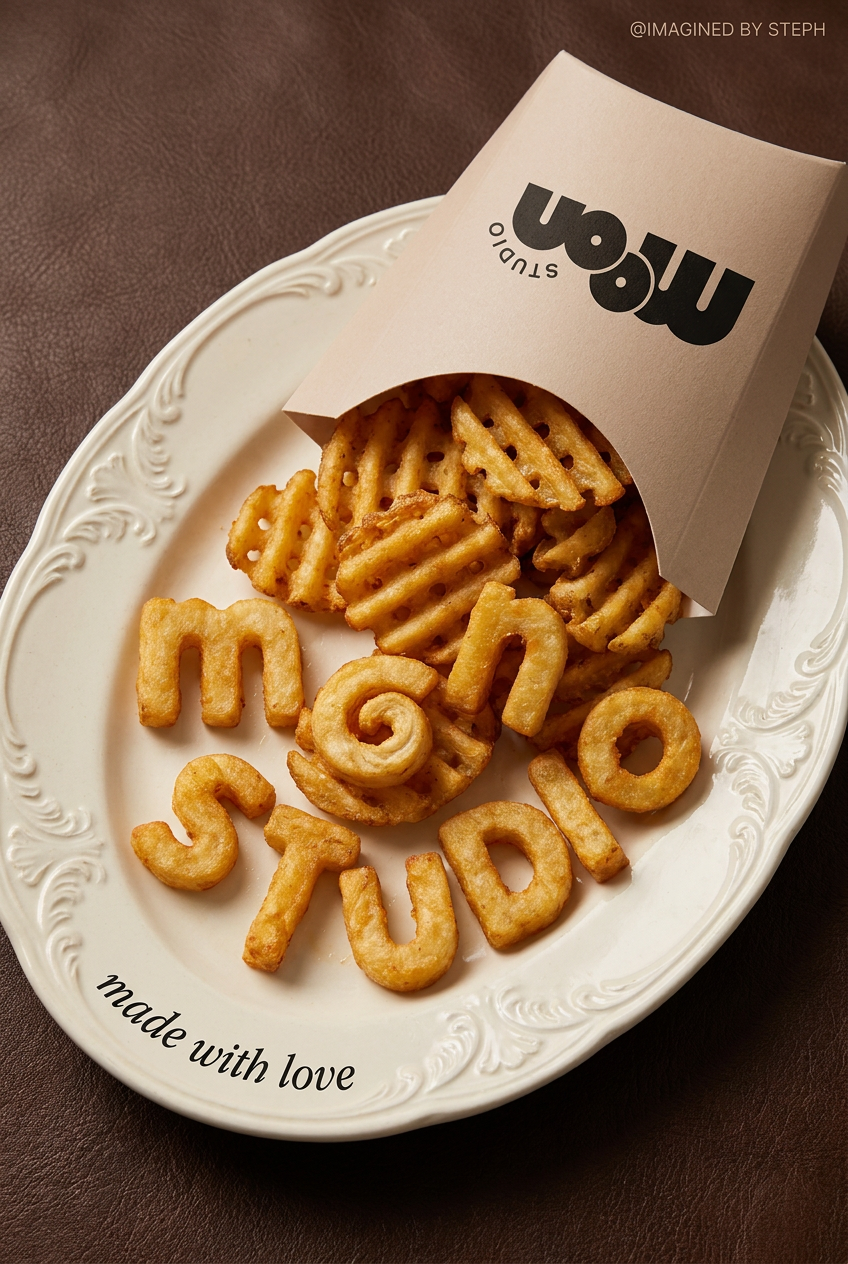
Transform your products into high-fashion editorial ads. This setup uses a dynamic diagonal layout and a slightly tilted overhead angle to give food and packaging incredible depth and texture. It's perfect for giving any brand a chic, premium look.
Regenerate using your own assets.
Novelty vs. asset: Choosing the right tool for the job
Google's NotebookLM video feature is an exciting glimpse into the future of automated content summaries. For personal use or internal note-taking, it's a fantastic tool. But for building a brand, it highlights a critical distinction: the difference between a novelty and a marketing asset.
A novelty generates a one-off piece of content. An asset is created within a system that understands and reinforces your brand identity. If you're serious about using AI to create video content for your business, you need a workflow, not just a generator. By starting with a platform like MyUP.ai that puts your Brandkit at the center of the creation process, you ensure that every video you produce is not just a cool clip, but a valuable asset that actively builds your brand.