Yesterday, September 3rd, Google officially launched Gemini Omni Flash 1.1, and the buzz was immediate. Social media feeds were flooded with stunning, hyper-realistic images, showcasing the model's incredible speed and visual fidelity. Marketers, ourselves included, instantly saw the potential: imagine generating dozens of distinct, high-quality ad variations for A/B testing in minutes, rather than days or weeks.
However, the initial excitement quickly gave way to a familiar frustration. As marketers began applying Gemini Omni Flash 1.1 to their own products and campaigns, a critical problem emerged: inconsistency. You tried it for your product and got a mess, right? Discussions on Reddit and e-commerce forums immediately highlighted the issue. While the individual images were impressive, maintaining consistent product angles, lighting, branding, and overall visual cohesion across a set of ad variations proved nearly impossible with raw model access.
The promise of hyper-realistic, rapid ad generation was there, but the finished, campaign-ready results were not. This isn't a limitation of the model's realism, but a fundamental challenge in translating raw AI output into commercially viable creative assets that maintain your brand's integrity.
The promise and the problem of Gemini Omni Flash 1.1 for ads
Yesterday, September 3rd, Google officially launched Gemini Omni Flash 1.1, and the buzz was immediate. Social media feeds were flooded with stunning, hyper-realistic images, showcasing the model's incredible speed and visual fidelity. Marketers, ourselves included, instantly saw the potential: imagine generating dozens of distinct, high-quality ad variations for A/B testing in minutes, rather than days or weeks.
However, the initial excitement quickly gave way to a familiar frustration. As marketers began applying Gemini Omni Flash 1.1 to their own products and campaigns, a critical problem emerged: inconsistency. You tried it for your product and got a mess, right? Discussions on Reddit and e-commerce forums immediately highlighted the issue. While the individual images were impressive, maintaining consistent product angles, lighting, branding, and overall visual cohesion across a set of ad variations proved nearly impossible with raw model access.
The promise of hyper-realistic, rapid ad generation was there, but the finished, campaign-ready results were not. This isn't a limitation of the model's realism, but a fundamental challenge in translating raw AI output into commercially viable creative assets that maintain your brand's integrity.
Why your product looks different in every shot: The consistency crisis
The core issue lies in how raw generative AI models, even advanced ones like Gemini Omni Flash 1.1, operate. They are designed to create novel images based on prompts, not to meticulously replicate specific visual elements across a series of distinct creative outputs. For a single image, this is brilliant. For an ad campaign, it's a liability.
Marketers on forums like r/googleai and r/shopify have been reporting the same pain points since yesterday's launch: product appearing slightly different in each shot, variations in lighting and shadows that make a product look like it was photographed in different studios, and a general lack of cohesive brand styling. One user described it as "a collection of beautiful strangers" rather than a unified family of ads. This is because, without explicit guidance, the model treats each generation as a new creative endeavor, rather than an iteration within a defined visual system.
For commercial use, where visual consistency is paramount to brand recognition and trust, this inconsistency is a deal-breaker. Your audience needs to instantly recognize your product, regardless of the ad variation they encounter. Raw AI models, by their nature, don't inherently understand brand guidelines or the need for a consistent visual identity.
The expert's manual fix (and why it won't scale for your business)
In response to these consistency challenges, a new wave of advanced prompting techniques has already begun to emerge. AI artists and savvy marketers are experimenting with multi-step processes, using base images as visual references, or meticulously crafting lengthy prompts to try and enforce consistency. For example, a popular AI-focused newsletter today detailed a method involving generating a 'master' product shot and then feeding it back into the model with specific instructions for contextual variations.
While these manual methods are clever and demonstrate impressive prompt engineering skill, they are not a scalable solution for businesses. Imagine needing to generate 50 ad variations for a single product, then replicating that for an entire product catalog. The time and effort involved in meticulously crafting and refining prompts for each variation, or managing complex image-to-image chains, quickly negates the speed advantage of Gemini Omni Flash 1.1. This approach is more akin to digital art creation than efficient commercial production.
For a business, the goal isn't to become an expert prompt engineer; it's to get high-converting, on-brand ad creatives ready to publish. The manual fix is a temporary workaround, not a sustainable creative production process.
A practical guide to finished, on-brand ad campaigns
This is precisely where MyUP steps in. We integrate powerful models like Gemini Omni Flash 1.1 but layer on the critical capabilities needed for commercial creative production: brand consistency and ready-to-use creative templates. Our platform turns your intention into finished creations, bypassing the technical complexities of raw AI models.
The MyUP method for generating finished, on-brand ad campaigns is straightforward:
- Set your Brandkit once: Instead of embedding brand colors, fonts, and styles into every prompt, you define your visual identity in a MyUP Brandkit. This ensures every creation, from a single product shot to an entire ad campaign, automatically adheres to your brand guidelines.
- State your intention: You don't ask for "a photorealistic image of a product"; you state "I want a luxury ad campaign for my skincare product." MyUP understands this high-level intention.
- Execute with a creative template: MyUP's templates, built by top creators, automate the entire production process. They leverage the underlying AI models to generate complex visual sets while enforcing your Brandkit's consistency.
For instance, to produce a cohesive set of luxury ad visuals for your skincare product, you would simply select the appropriate template. Template: #myup-vccl-cyv5. This single template will generate a clean studio hero shot, an elegant lifestyle scene, a macro product detail, and a vertical social media ad – all visually consistent and on-brand, ready for your next campaign.
Luxury Skincare Product Ad Campaign
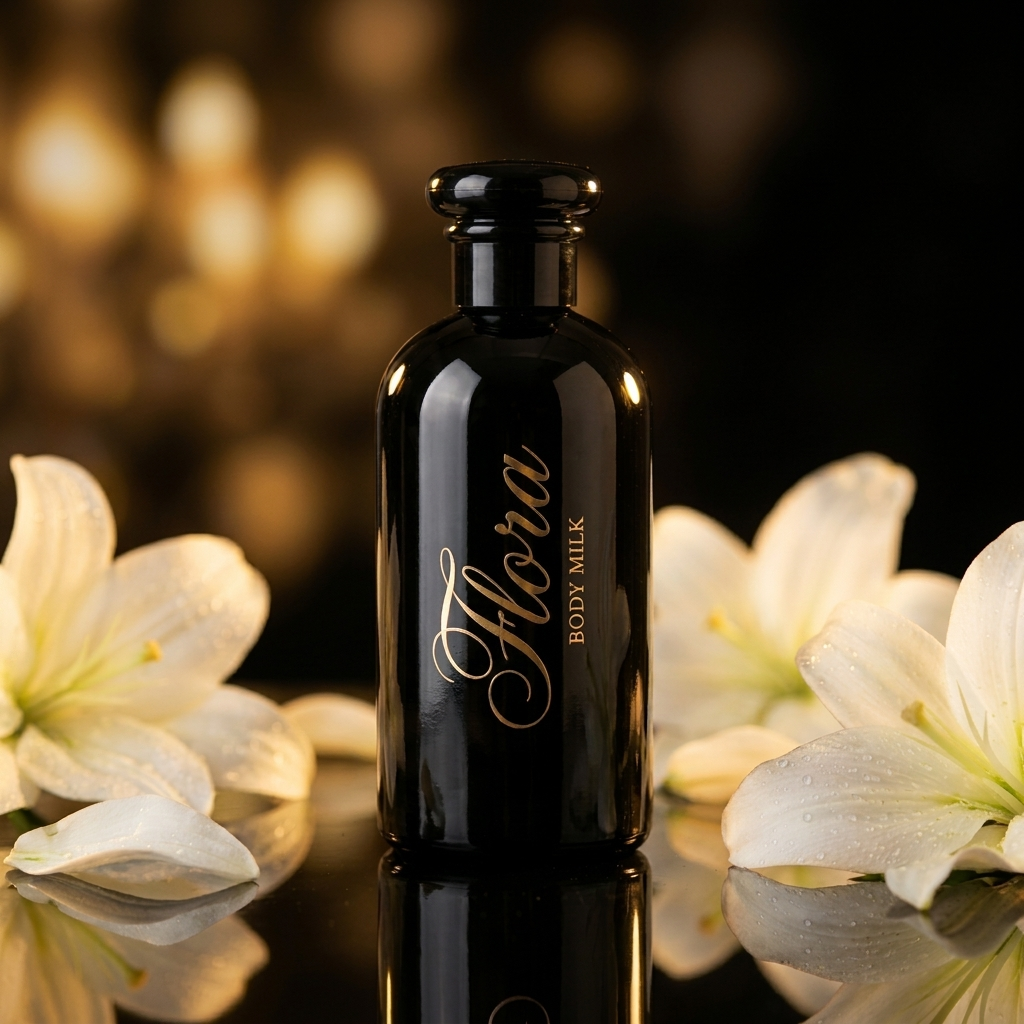
Create a polished luxury advertising set from a single beauty product image. This reusable 4-step workflow generates a clean studio hero shot, an elegant lifestyle scene, a macro product detail and a vertical social media composition while preserving the visual identity of the uploaded product. Designed for skincare, cosmetics and premium beauty products.
Regenerate using your own assets.
From single ads to A/B testing entire visual concepts
Beyond just fixing inconsistency, MyUP unlocks new strategic capabilities for marketers. The speed and quality of Gemini Omni Flash 1.1, when channeled through MyUP's structured creative production, allow you to generate and A/B test entire visual concepts with unprecedented efficiency.
Imagine you want to test two completely different aesthetics for an upcoming product launch: a vibrant, energetic feel versus a minimalist, elegant approach. With MyUP, you don't need two separate photo shoots or weeks of design work. You simply choose the relevant creative templates and let MyUP generate the distinct campaigns.
For a vibrant, high-energy concept, you might use a template like Template: #myup-zpby-tzie. This template will transform your product shot into a bold, high-energy square ad, automatically pulling dominant colors from your packaging to create a vibrant, cohesive poster.
Minimal Vibrant Product Advertising Poster
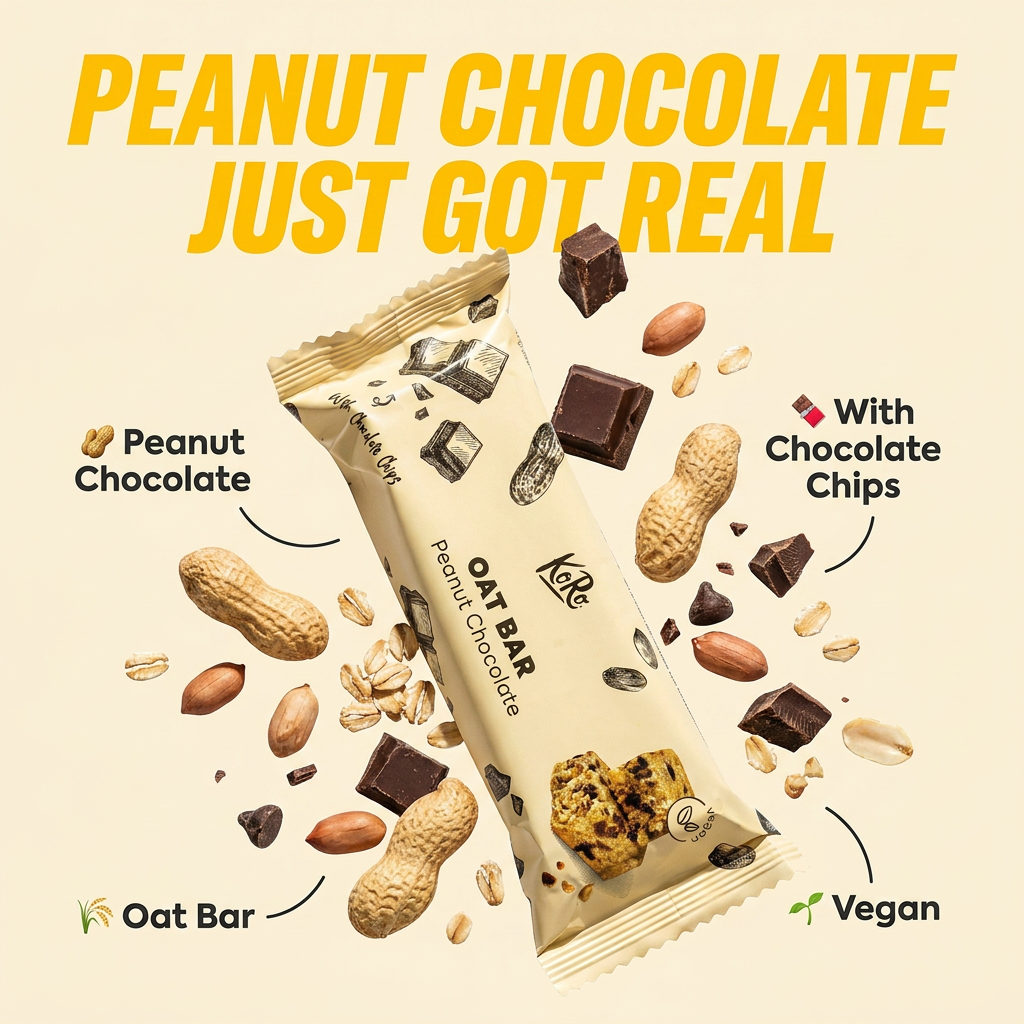
Drop in any product shot and watch it turn into a bold, high-energy square ad. It automatically reads your packaging to pull out the dominant colors and text, then builds a vibrant poster styled perfectly around your brand.
Regenerate using your own assets.
For the contrasting minimalist, elegant concept, you would then select Template: #myup-fy77-jljs. This template positions your product against a soft cream background with airy spacing and elegant typography, perfect for a luxury or wellness brand. Both campaigns are generated instantly, each with its own distinct visual language, yet all maintain the core consistency of your product and brand elements.
Minimalist Elegant Product Advertising Poster
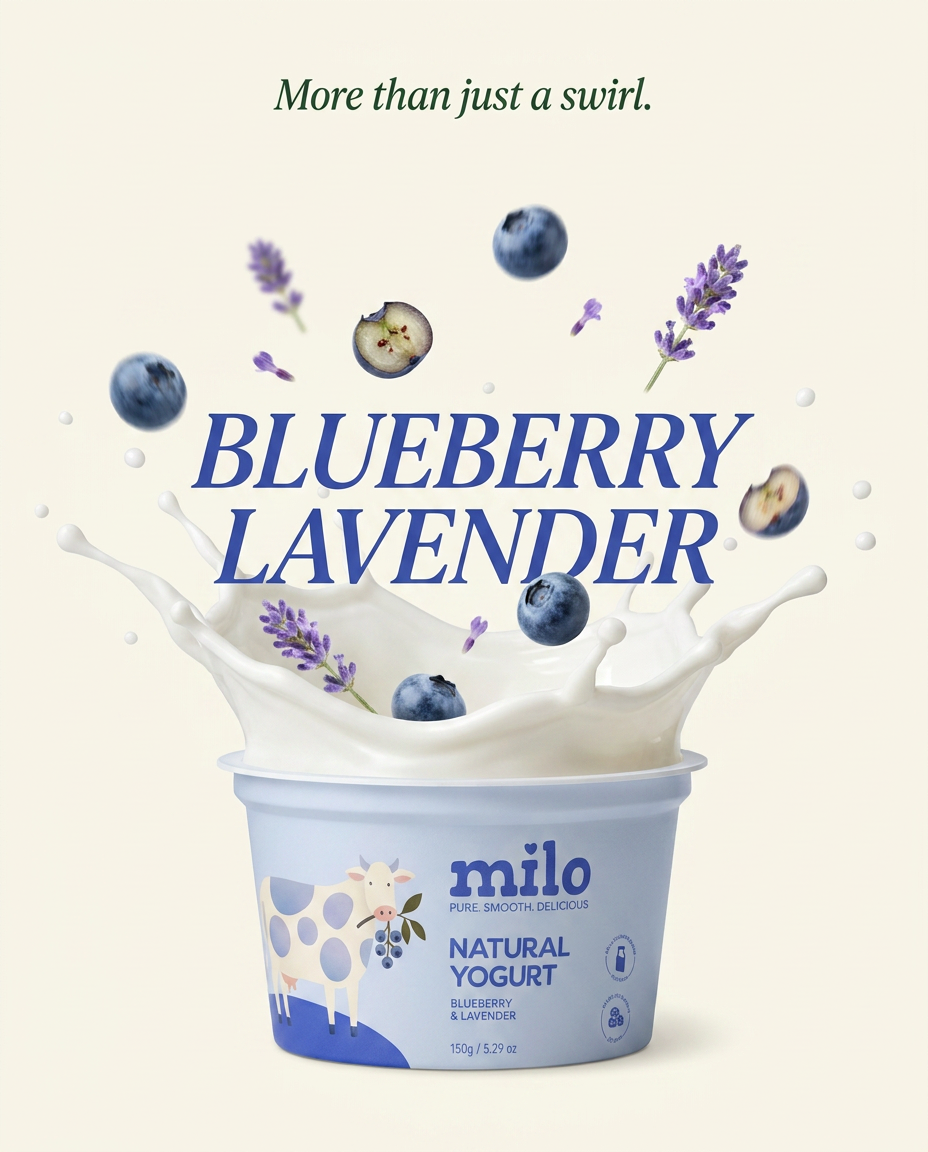
Turn any product shot into a high-end editorial ad. It places your item against a soft cream background with airy spacing and adds elegant, small serif typography at the top. Great for wellness or luxury brands wanting a calm, minimal aesthetic.
Regenerate using your own assets.
This ability to rapidly prototype and test diverse visual strategies is a game-changer for optimizing ad performance and understanding what resonates most with your target audience.
Stop prompting, start producing
Raw AI models like Gemini Omni Flash 1.1 are indeed powerful. They are the advanced ingredients. But for businesses, you don't need ingredients; you need the finished meal. You need studio-quality, complete creations ready to publish, not a collection of visually disjointed images that require hours of manual correction.
MyUP is the Creative Production Platform that bridges this gap. It's where your intention meets finished creation. You maintain the vision and validation, and MyUP handles the technical production, ensuring every ad variation, every product photo, and every brand graphic aligns perfectly with your visual identity. Stop wrestling with prompts and start producing high-converting, on-brand ad campaigns today.
Ready to turn your ad intentions into polished, consistent creations? Create an account on MyUP and experience the future of creative production.
Make your unimaginable possible with MyUP
The era of hyper-realistic AI generation is here, but the true value for marketers comes from consistency and strategic application. MyUP is built to deliver precisely that: turning the raw power of models like Gemini Omni Flash 1.1 into reliable, on-brand, and scalable creative production for your business. Don't just generate; create finished, high-converting ad campaigns that truly resonate.