You’ve just used Claude 3.5 Sonnet’s Artifacts feature to generate a UI for your new app idea. It’s exciting. But now you’re staring at a static image. The colors aren’t quite your brand’s, the buttons feel inconsistent, and you can’t show it to an investor. Now what?
This is the moment where most founders and product managers get stuck. The leap from a raw AI concept to a professional, on-brand mockup is where generic tools fall short. This guide provides the practical, two-step method to bridge that gap.
The promise and problem of Claude for UI design
The promise of using Claude 3.5 Sonnet's Artifacts feature for UI design is undeniable. You describe an interface, and a visual concept appears. It feels like magic. But for founders and product managers, this initial excitement often fades, replaced by a set of familiar frustrations:
- Visual Inconsistency: The login screen you generated looks nothing like the dashboard screen. Buttons, fonts, and spacing change from one generation to the next, creating a disjointed and unprofessional look.
- Lack of Brand Identity: You fed Claude your brand's hex codes and font names, but it keeps generating mockups with generic blue buttons and standard system fonts. It doesn't look like your product.
- Static Output: The end result is a flat, static image. It's a snapshot, not a professional asset you can confidently put in a pitch deck, use on a landing page, or hand to a developer.
Claude is an exceptional conceptual partner, but it's not a creative production tool. To get a finished, professional result, you need a different approach: use Claude for ideation, then use a production platform for execution.
Step 1: Use Claude for what it's good at — structure and content
The key to using Claude effectively for UI is to stop asking it to be a designer. Instead, treat it as a structural architect. Your goal isn't a final image, but a clear, text-based blueprint that lists the necessary components and content.
Instead of prompting: "Design a screen for a music app"
Use a structured prompt that asks for a list of elements:
"Provide a structured list of UI components for a music app's 'Now Playing' screen. Include elements for: track title, artist name, album art placeholder, a play/pause button, next/previous track buttons, and a progress bar. Provide placeholder copy for each text element."
Claude's output will be a clean, organized text description. This text is not the final product; it is the raw material for the next, crucial step in the production process. You've used the AI for its core strength: structuring information.
Step 2: Turn your concept into an on-brand mockup with MyUP
Now you can take your structured concept from Claude and turn it into a finished creation. This is where a creative production platform like MyUP comes in. MyUP isn't just generating an image; it's producing a polished, on-brand asset based on your intention.
The first step is establishing your brand's visual identity. With MyUP's Brandkit, you do this once. Simply enter your company's website URL, and MyUP automatically builds a complete brand profile with your logo, exact colors, and specific fonts. This Brandkit is now the foundation for all your creations.
Next, you state your intention to MyUP, using the text blueprint from Claude:
"Create a clean mobile app screen for a music player using my Brandkit, based on these components: [paste Claude's structured list here]."
MyUP handles the production from A to Z, rendering a mockup where every button, text element, and color perfectly matches your established brand identity. The result is not a random guess; it's a deliberate, on-brand creation. This same principle applies to creating related visuals, like a hiring announcement within your app's settings, where a dedicated template can provide a polished look instantly. Template: #myup-eiob-7tbc
Modern Hiring Poster
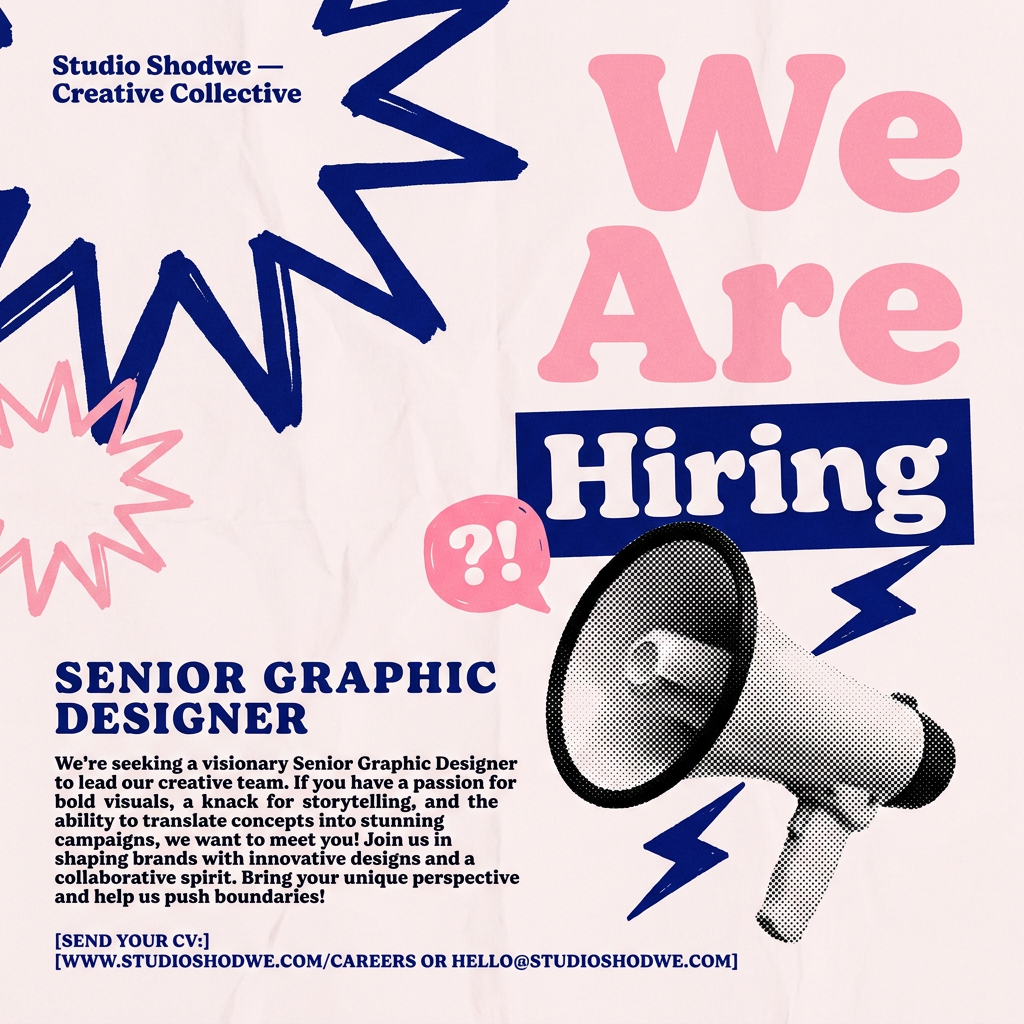
Turn your open roles into stylish social announcements. It sets your hiring details against a soft, textured paper background with clean, editorial typography. Perfect for giving your brand a polished, modern look when you're looking to hire.
Regenerate using your own assets.
Beyond a single screen: achieving full visual consistency
The biggest challenge with using general AI for multi-screen mockups is consistency. If you ask Claude for a settings page after generating a home screen, it has no memory of the first design. You'll get different button styles, clashing colors, and a fragmented user experience.
MyUP solves this directly. Because your visual identity is stored in your Brandkit, every subsequent asset you create is automatically consistent. When you ask for the 'User Profile' screen or the 'Playlist' view, MyUP applies the same design system—your design system—every single time.
This consistency extends beyond the app itself. When you're ready to announce your product, you can produce social media posts, website banners, and marketing materials that share the exact same visual DNA. For example, creating a minimalist poster to announce your launch is as simple as using a template that's already connected to your Brandkit. Template: #myup-k4td-9k6z
Minimalist Poster
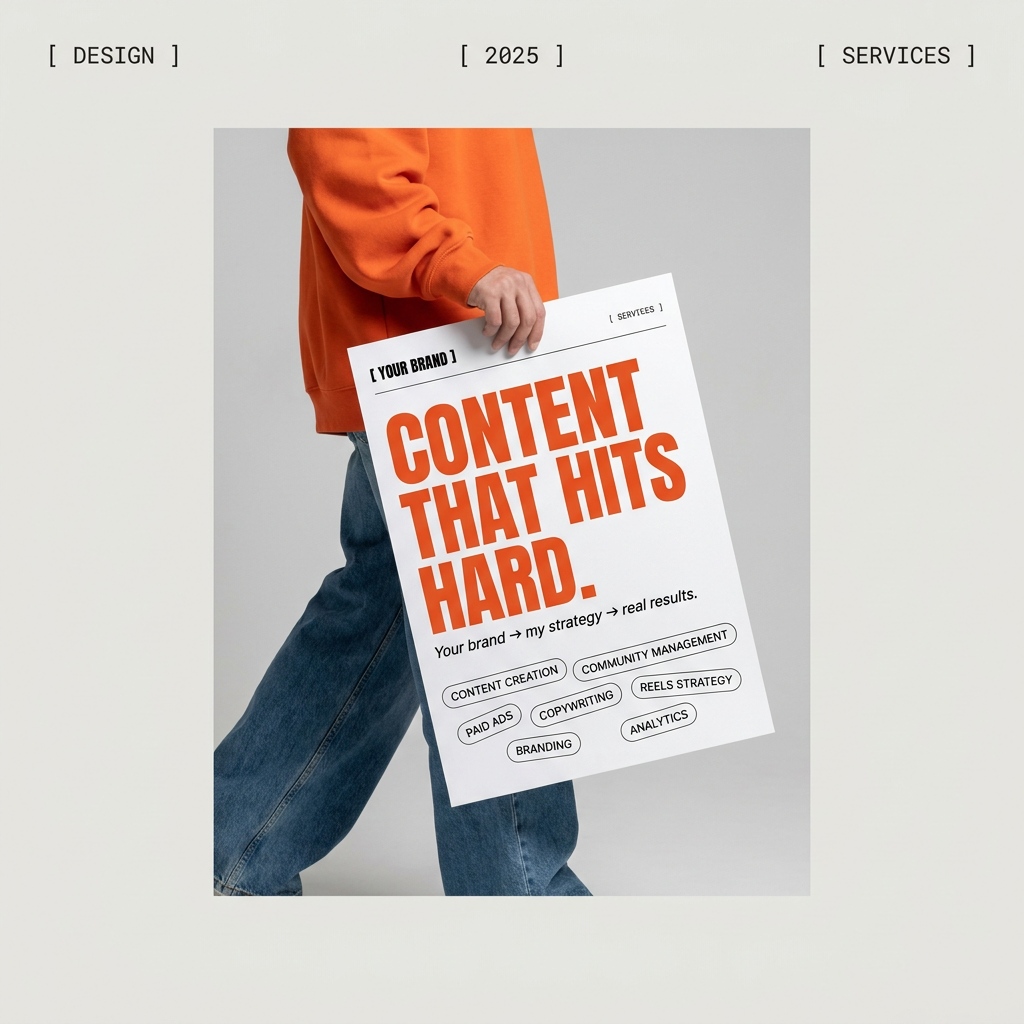
Give your social feed a clean, gallery-like aesthetic. This layout frames your images with structured mono typography and soft, neutral backgrounds for a high-end editorial look. It's perfect for minimal product launches or brand announcements.
Regenerate using your own assets.
The finished result: a professional mockup for your pitch deck
The difference between a raw AI-generated image and a finished creation is what separates a quick experiment from a valuable business asset. A mockup from Claude is a conversation starter. A mockup produced with MyUP is a tool for persuasion.
The final output from MyUP is a high-resolution, clean, and professional visual that is ready to be dropped directly into your investor pitch deck, presented in a stakeholder meeting, or featured on your product's landing page. It looks like it was made by a professional design team, because it was produced using a system built for consistency and quality.
For an even more compelling presentation, you can elevate your 2D screens into dynamic, 3D scenes. MyUP enables you to generate clean 3D isometric software mockups that bring your app concept to life. And if you need to create a poster for a launch event, you can instantly generate a bold, retro-style visual that’s perfectly on-brand. Template: #myup-xbur-hzoi
Bold Retro Yellow Event Poster
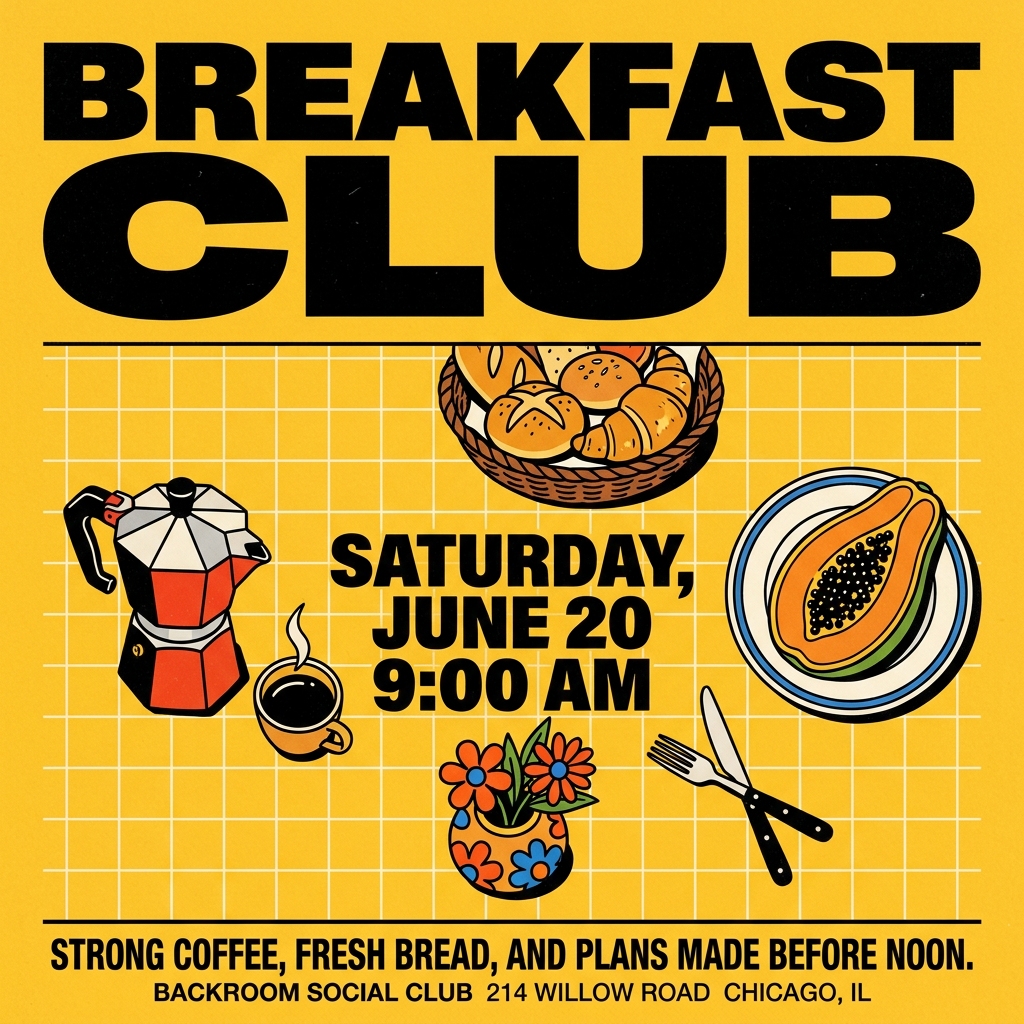
Turn your branding or event details into bold, nostalgic posters. It blends vibrant warm backdrops with a clean, retro square grid pattern to make any announcement look like a classic piece of mid-century graphic design.
Regenerate using your own assets.
Stop fighting with prompts to get the right shade of blue. Use Claude for ideas, and use MyUP to make them real, professional, and on-brand.