
With the launch of Vimeo Central on July 2, 2026, the push to turn long-form content into short social videos is official. The promise is seductive: feed an article or webinar into an AI and get a shareable clip. But creators are quickly discovering the catch. These automated tools are great at summarizing, but they are terrible at one critical thing: capturing your brand's identity.
You get generic stock footage, default fonts, and a video that looks like it could have been made by anyone. Your content's unique voice and visual style are lost in the process. The solution isn't a better summarization button. It's a better production workflow. This guide will walk you through the exact steps to turn any article into a series of on-brand video scenes that feel like they came from your team, not a machine.
Automation is here, but your brand is missing
Tools like Vimeo Central, Google's NotebookLM, and features within Adobe Express all aim to solve the same problem: content repurposing. You've already done the hard work of writing a valuable article; now you need to get it in front of audiences on platforms like TikTok, Instagram Reels, and LinkedIn. The one-click promise of these tools is appealing, but the output is often a gallery of brand violations.
The core issue is that these systems are built for summarization, not storytelling. They chop up text and lay it over random clips. They don't understand your brand's typography, your specific color palette, or the visual aesthetic you've carefully built. The result is content that technically checks a box but does nothing to build brand equity. It's fast, but it's forgettable.
MyUP takes a different approach. We believe the user's job is to direct the story, and the AI's job is to handle the on-brand production. Instead of a one-click summary, MyUP uses a structured workflow that puts your brand's unique identity at the center of the creation process.
Step 1: Turn your article into a script, not a summary
The first step in creating a compelling video is to stop thinking about summarizing and start thinking about scripting. A great short video has a narrative arc, even if it's just a few key points. Your goal is to extract the story from your article.
Instead of feeding the entire article into an AI and asking for a summary, paste the text into a MyUP workflow and ask it to identify 3-5 core narrative points, key takeaways, or a compelling hook, body, and conclusion. You're not just shortening the text; you're transforming it into a storyboard structure. This is the human control point: you guide the AI to find the story you want to tell. The AI does the work of extracting and formatting, but you validate the narrative.
For example, for an article about the benefits of a new software feature, your script points might be:
- Scene 1 (Hook): The single biggest time-waster in your current workflow.
- Scene 2 (Point): How our new feature automates this task in seconds.
- Scene 3 (Proof): A surprising statistic on user productivity.
- Scene 4 (CTA): The link to start your free trial.
This simple script gives you a clear plan for your video, with each point becoming a distinct visual scene.
Step 2: Generate on-brand visuals for every scene
With your script points defined, it's time to create the visuals. This is where automated tools fail and a brand-centric platform like MyUP excels. In MyUP, you build your Brandkit once by simply providing a URL. MyUP automatically extracts your logo, colors, and fonts, creating a visual identity it can apply to any content you generate.
For each point in your script, you can now generate a visual scene. This could be an AI-generated image, a short video clip, or a simple text-based graphic. The magic is that every element MyUP creates is automatically infused with your brand. The background color will match your palette. The text will use your brand's headline font. There's no manual tweaking of hex codes or uploading font files for every single asset.
To start building your video, you might want to create a simple, powerful title card or a card that highlights a key quote. The 'Minimalist Poster' template is perfect for this. It focuses on clean typography and color, and when used with your Brandkit, it instantly feels like your own.
Workflow code: #myup-k4td-9k6z
Minimalist Poster
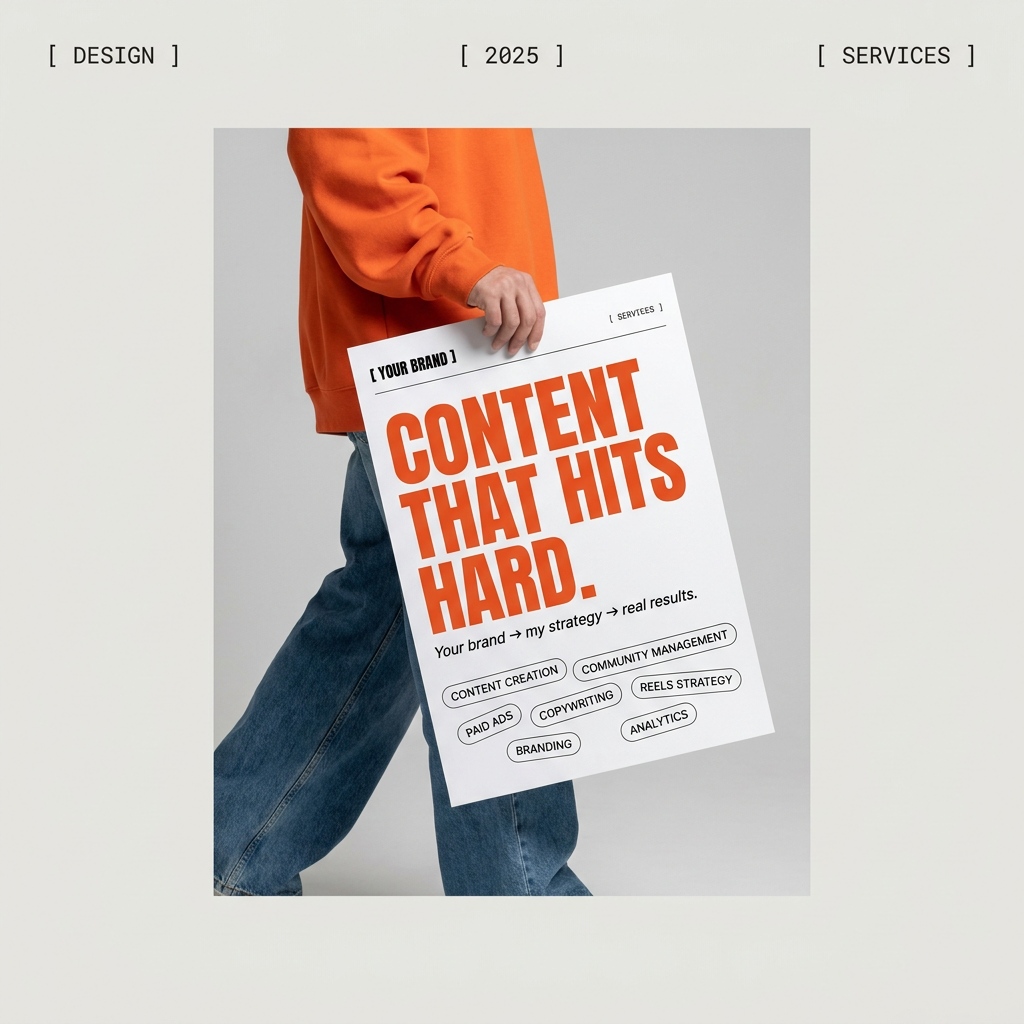
Give your social feed a clean, gallery-like aesthetic. This layout frames your images with structured mono typography and soft, neutral backgrounds for a high-end editorial look. It's perfect for minimal product launches or brand announcements.
Regenerate using your own assets.
Step 3: Add text and layouts that speak your language
A brand's visual language is more than just a logo and colors; it's also about how you use typography and structure information. Consistent layouts and text treatments make your content instantly recognizable. When you create video scenes in MyUP, you're not just dropping text on an image. You're using structured templates that understand visual hierarchy and, most importantly, your Brandkit.
When a MyUP template includes a headline, a sub-headline, and body text, it automatically applies the correct fonts from your brand identity. You don't have to remember which font is for what; the system handles the production based on the brand rules you've already set. This is how you scale content without diluting your brand.
For a scene that needs to present multiple ideas or statistics from your article, a grid layout can be highly effective. It's clean, organized, and easy for viewers to digest quickly. The 'Bold Editorial Grid Poster' workflow provides this structure automatically, pulling in your brand's fonts and colors for a polished, magazine-like feel.
Workflow code: #myup-n0bi-2wzk
Bold Editorial Grid Poster
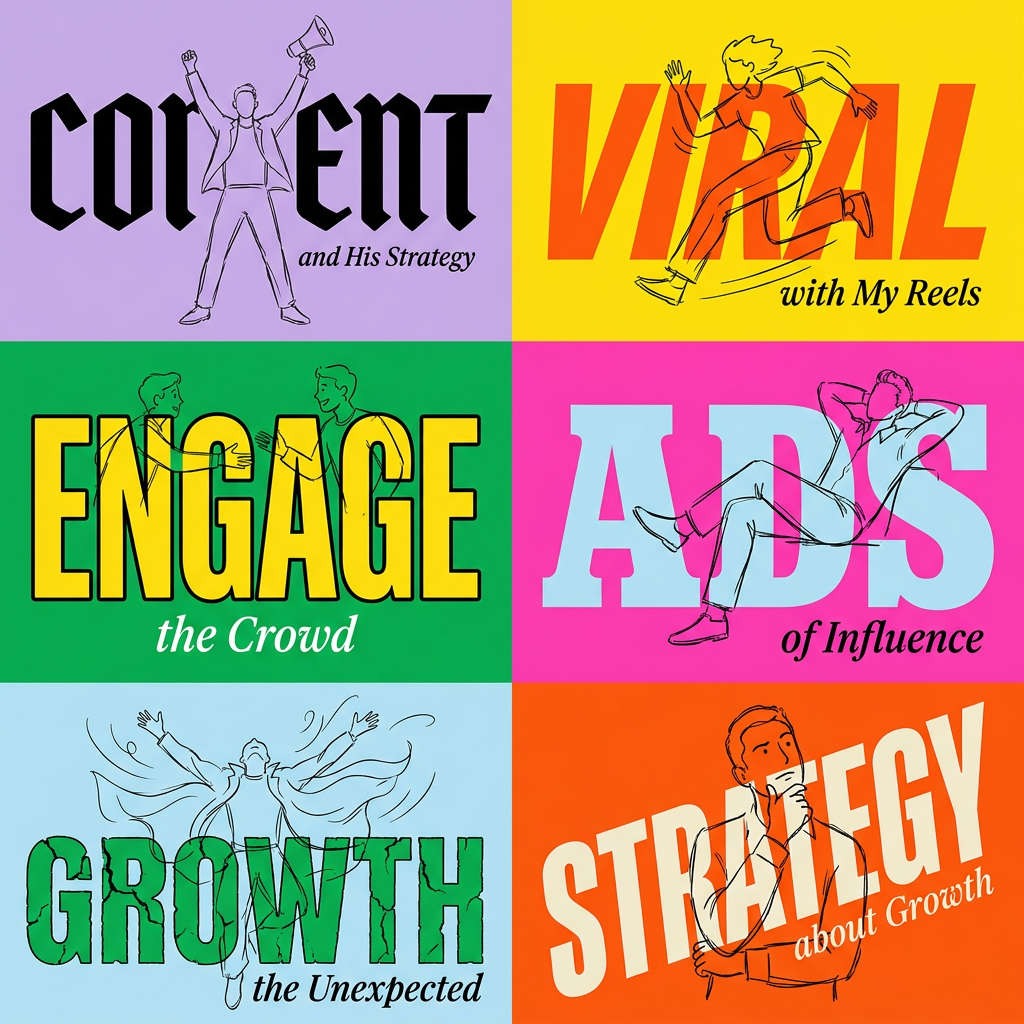
Create striking 2x3 editorial posters with six seamless, flat-color square cards in a perfect 4:5 grid. There are absolutely no gaps between the blocks, giving your content a bold, high-contrast magazine layout. It looks incredibly clean on any social feed.
Regenerate using your own assets.
Step 4: Assemble your scenes and add a call to action
Once you have your individual scenes created—each one visually consistent and on-brand—the final step is to assemble them into a video sequence. You can do this in MyUP's editor or export the scenes to your preferred video editing tool. Because each asset was built from the same Brandkit, they will fit together seamlessly.
Crucially, don't forget the final scene: your call to action (CTA). This is where you tell the viewer what to do next. Whether it's 'Read the full article', 'Visit our website', or 'Sign up now', the end-card should be clear, concise, and unmistakably yours. A strong, branded CTA reinforces who you are and makes it more likely the viewer will take the desired action. The 'Modern Hiring Poster' template, while designed for recruitment, offers a clean and direct layout perfect for a final CTA card in a video.
Workflow code: #myup-eiob-7tbc
Modern Hiring Poster
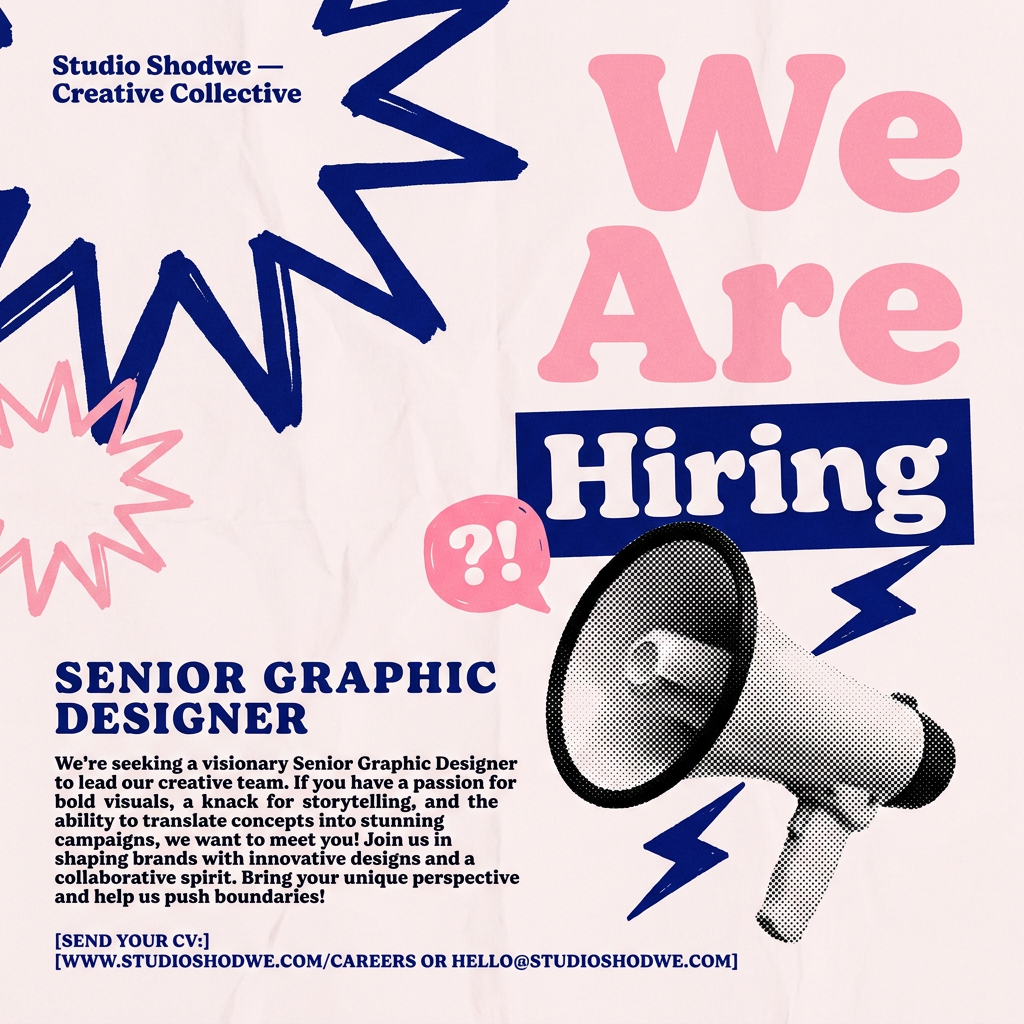
Turn your open roles into stylish social announcements. It sets your hiring details against a soft, textured paper background with clean, editorial typography. Perfect for giving your brand a polished, modern look when you're looking to hire.
Regenerate using your own assets.
From summary to story: the difference is a workflow
The temptation to use one-click AI video tools is understandable. But content that lacks brand identity is just noise. It doesn't build memory, trust, or recognition. Automated clipping tools give you a summary; a proper production workflow tells a story in your brand's unique voice.
By shifting your process from summarizing to scripting, and by using a system like MyUP that bakes your Brandkit into every asset, you can repurpose your articles into powerful social videos that actually build your brand instead of ignoring it. You direct the narrative; MyUP handles the on-brand production. Create a free account and turn your first article into an on-brand video today.