You spend an hour prompting, refining, and finally generating the perfect character for your AI video. The lighting is perfect, the expression is exactly what you wanted. Then you generate the next scene, and they're gone—replaced by a stranger with vaguely similar hair. It's the most common and frustrating failure in AI video today.
The industry knows it. With the June 2026 alpha release of Midjourney's 'Character Reference' feature (--cref) and teasers for Runway's Gen-3 model, the race is on to solve character consistency. These are promising steps, but they are still features inside prompt tools, and early tests show they struggle with reliability. For real storytelling, you don't need a feature; you need a process. You need a workflow that gives you control.
Why it happens: AI models have no memory
The root of the problem is simple: most generative AI models are stateless. This means each time you click 'generate,' the model treats it as a brand new, isolated task. It has no memory of the character it created for you 30 seconds ago. It's not trying to maintain continuity; it's just trying to fulfill the prompt based on its training data. Without specific instructions to reference a previous output, it will always drift, reinterpreting your prompt and creating a new version of your character for every single shot.
The 'character-locking' workflow: how to force consistency
The creative community has developed a manual fix for this, often called 'character-locking.' The logic is sound: if the AI can't remember the character, you have to show it to them, every single time. The process involves two core stages:
- Create a definitive reference image. This isn't just a quick headshot. It's a high-detail, unambiguous 'character sheet' that clearly defines the character's face, clothing, and key features from a specific angle.
- Use that reference for every subsequent scene. Each new video clip generation must be anchored to that master image, forcing the model to conform to a consistent visual identity.
This manual process is tedious. A true production solution automates it. In MyUP, this isn't a feature; it's a structured workflow. The first step is to create that master reference image, and a workflow designed for high-end portraits is the perfect tool for the job.
Workflow code: #myup-yk1h-uqy8
High-End Editorial Fashion Magazine Cover
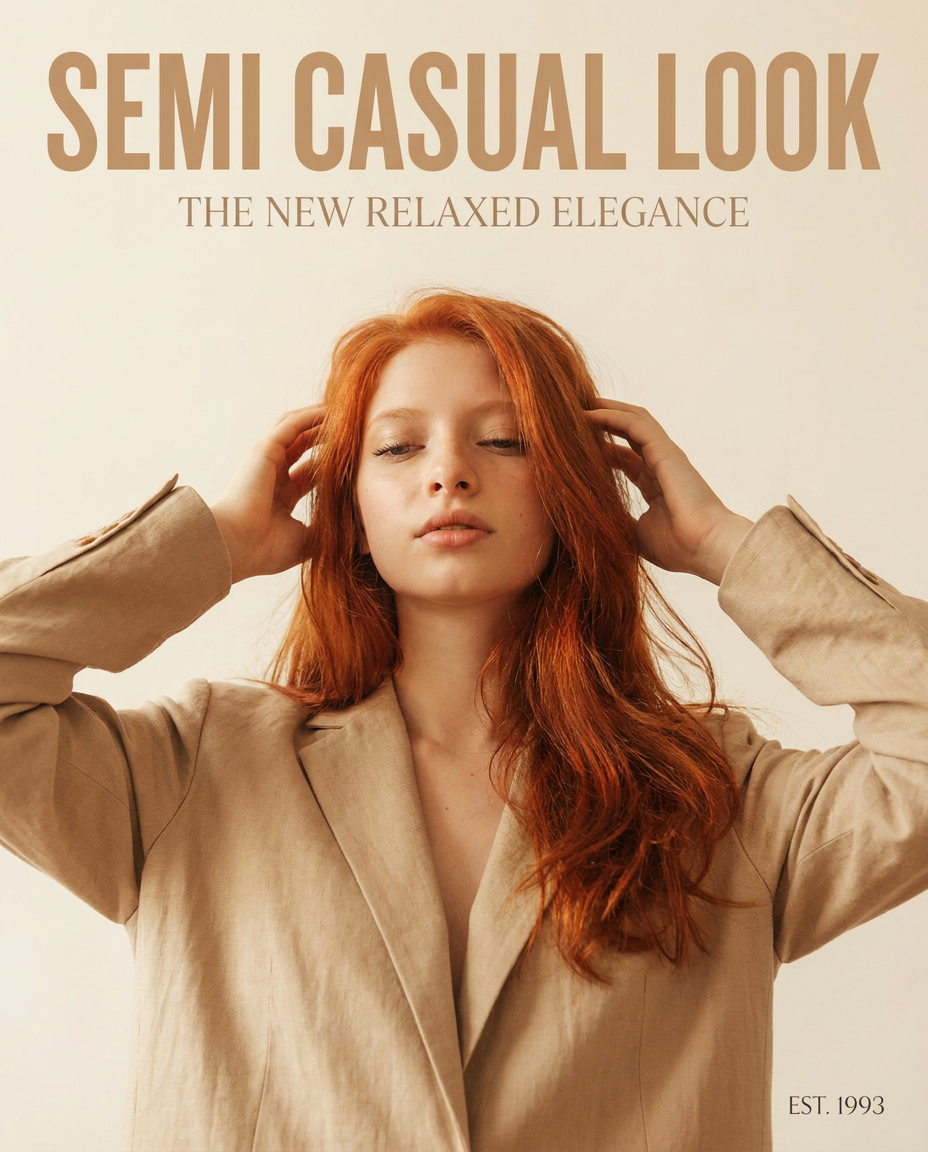
Drop in any portrait and turn it into a high-end editorial magazine cover. It frames your subject beautifully with relaxed, high-fashion posing and soft styling for a polished print aesthetic.
Regenerate using your own assets.
Step 1: Generate your character's definitive reference sheet
Your entire video's consistency depends on the quality of this first image. A blurry or ambiguous reference will produce blurry and ambiguous results. You need a sharp, well-lit, and highly detailed master image. Using a workflow like the High-End Editorial Fashion Magazine Cover template allows you to generate a character portrait with the polish and detail needed to serve as a strong anchor.
When creating your reference, be specific:
- Lock in the details: Prompt for specific clothing (e.g., 'a worn brown leather jacket over a grey t-shirt'), unique facial features ('a small scar on their left eyebrow'), and accessories. The more unique identifiers, the better.
- Choose a clear angle: A front-on or three-quarter portrait is usually best, as it provides the most facial information for the model to reference later.
- Save it to your Brandkit: Once you have the perfect reference image, save it directly to your MyUP Brandkit. This makes it a reusable asset, ready to be pulled into any subsequent step of your video production workflow.
Workflow code: #myup-yk1h-uqy8
Step 2: Build a multi-scene video workflow using your reference
With your character reference saved, you can now build a multi-step workflow in MyUP to generate your video sequence. Each step in the workflow will generate one scene, and each will use the same character reference as its starting point.
Here's how it works in practice:
- Scene 1 Generation: The first step in your workflow is an image-to-video generation. You'll use your character reference image as the primary input (often called an `init_image`). Your prompt will describe the action and environment, for example: 'The character is walking through a rainy, neon-lit city street at night.'
- Scene 2 Generation: You'll duplicate the first step. The character reference image remains locked in as the input. You only change the action part of the prompt: 'The character stops and looks up at a flickering billboard.'
- Control the Seed: For maximum consistency between shots that are very similar, you can use the same seed number for each generation. The seed is the random starting point for the AI's generation; reusing it tells the model to start from the same place, which dramatically reduces variation.
By systematically feeding the same character reference into each scene's generation, you are forcing the stateless model to remember. You're giving it the 'state' it lacks. This process is fundamental to creating coherent visual narratives, whether for a short film or a multi-frame AI storyboard.
Beyond features: why a workflow is the only real solution for storytelling
Features like Midjourney's `--cref` are a welcome acknowledgment of the problem, but they still operate within the limits of a single prompt. They are a patch on a stateless system. True storytelling requires a process, not just a prompt. It's about building a sequence, controlling variables from one shot to the next, and ensuring a character's identity is the one thing that remains constant.
A workflow platform is built for process. It allows you, the creator, to define the entire production chain—from character concept to final rendered scene. MyUP executes the repetitive generation tasks, but you validate the outputs and control the narrative. This is where AI moves from a novelty clip generator to a viable tool for anyone telling a story, building a brand, or creating a world.