
Within the last week of June 2026, creating believable AI video went from a futuristic concept to a practical reality. Updates from Luma and Adobe introduced stunning character consistency and realistic imperfections. Suddenly, the AI-generated people on your screen looked less like avatars and more like actual creators. But this breakthrough created a new problem: the viral workflows for achieving these results are a chaotic mess, often requiring you to chain together four or five different specialized tools for voice, character, animation, and editing.
The technology is here, but the production process is broken. Getting one good result is a fun experiment; building a scalable engine for testing ad creative is a different challenge entirely. True performance marketing requires a repeatable system, not a one-off hack.
This is where an integrated workflow changes the game. Instead of juggling multiple subscriptions and complex steps, you can use a single platform to move from character concept to finished, on-brand video ad. This guide lays out that exact four-step process in MyUP, showing you how to build a production system for UGC-style video ads that actually look and feel authentic.
Step 1: Create your 'creator' with a consistent face and style
The biggest giveaway of AI-generated content is inconsistency. If the person in your ad looks slightly different from one second to the next, viewer trust evaporates instantly. Before you even think about the product or the script, you need a stable, believable persona. This isn't about creating a deepfake; it's about establishing a consistent visual anchor for your ad.
In MyUP, this process starts with a reference image. By providing a clear headshot of your ideal 'creator,' you establish a consistent facial structure, hairstyle, and general aesthetic that can be referenced in every subsequent generation. This ensures that whether you're creating five or fifty ad variations, the person at the center of them remains recognizable.
The goal is to build a character you can reliably place in different scenarios. This consistent persona becomes a reusable asset, just like a logo or a color palette. For a detailed guide on this foundational step, see our full workflow on how to generate consistent AI characters.
Step 2: Stage a realistic scene for your product
Authenticity in UGC isn't just about the person; it's about their environment. A sterile, perfectly lit studio shot screams 'advertisement.' A slightly cluttered kitchen counter, a sun-drenched home office, or a realistic gym locker room feels genuine. The scene tells a story and makes the product feel like a natural part of someone's life, not just a prop.
Once you have your consistent character, the next step in MyUP is to place them in a believable context. This is done through descriptive prompting that focuses on lived-in details. Instead of 'woman holding skincare bottle,' you might prompt for 'a woman with a consistent face from reference image, in a brightly lit bathroom with a messy counter, holding a skincare bottle, morning light from window.' These small details break the pattern of sterile AI generations and create a more relatable visual.
This is also where you integrate your product. By combining your consistent character with a specific scene, you can generate an entire portfolio of on-brand lifestyle shots ready for animation. For example, if you're marketing activewear, you need to show it in motion, in a place where people actually work out. The workflow below is built to generate exactly that kind of complete, believable scene.
Workflow code: #myup-ywpr-rqz6
Professional Sportswear Ad
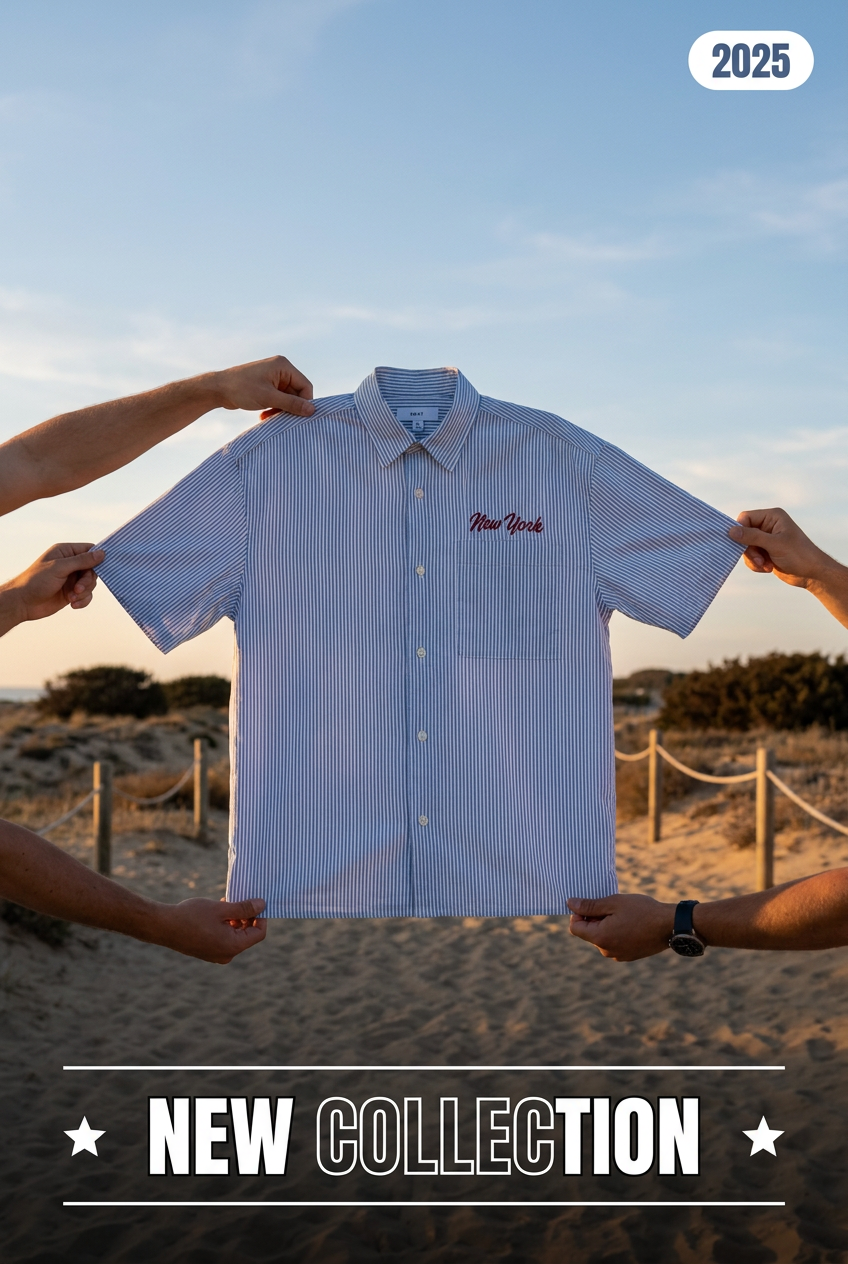
Suspends your apparel right in the center of a high-energy promo shot, held up by hands around the frame. It gives your shirts or jerseys a gritty, collaborative streetwear editorial look that feels alive and physical.
Regenerate using your own assets.
Step 3: Animate the scene with subtle, natural motion
With a believable static image staged, the next step is to bring it to life. The key to making AI-generated video feel like authentic UGC is to resist the urge for dramatic action. Most real user-generated videos don't have Hollywood-level cinematography. They have slight hand-shake, a slow pan, or subtle environmental motion. Less is more.
In MyUP, the image-to-video step is integrated directly into the workflow. You can take the scene you just generated and apply a gentle motion effect. Think of it as creating a 'video portrait' rather than a full-blown action sequence. A slow zoom-in on the product, a gentle drift of the camera, or the subtle rustle of leaves in the background is often all you need to create a thumb-stopping pattern interrupt in a fast-scrolling feed.
This approach is perfect for fashion, apparel, or any product where the aesthetic is key. You can generate a stunning, on-brand image of a model wearing your clothes and then convert it into a short, engaging video clip for social media with a single step. The following workflow is designed for exactly this purpose, turning a static post into a dynamic video.
Workflow code: #myup-3sro-edbt
Brand Clothes Post

Turn any outfit photo into a high-end fashion promo poster. It centers your subject in a full-body shot against a dark, dramatic studio backdrop, perfectly cropped for social feeds. It gives your apparel a moody, editorial look instantly.
Regenerate using your own assets.
Step 4: Add on-brand text that feels native to the platform
The final layer of a successful UGC ad is the text overlay. This includes the hook, key benefits, and the call-to-action. For these ads to perform, the text needs to walk a fine line: it must be instantly readable and feel native to the platform (like TikTok or Instagram Reels text), but it must also be consistent with your brand's visual identity.
This is where a fragmented workflow falls apart. Manually adding text in a separate video editor for every single ad variation is time-consuming and prone to error. One wrong hex code or font choice can make the ad feel off-brand and untrustworthy.
MyUP solves this with its Brandkit. Once you've set up your brand's colors, fonts, and logo, MyUP can automatically apply them as text overlays to your generated videos. The human user validates the message and placement; MyUP handles the production, ensuring every ad is perfectly on-brand. This systemizes the final step, ensuring that as you scale up your ad testing, your brand integrity remains intact.
To see how a strong visual identity with typography can be applied, this workflow for creating a stylized poster is a great starting point. Imagine this level of brand control on your video clips.
Workflow code: #myup-1hgd-9oz5
Retro Style Food Advertising Poster
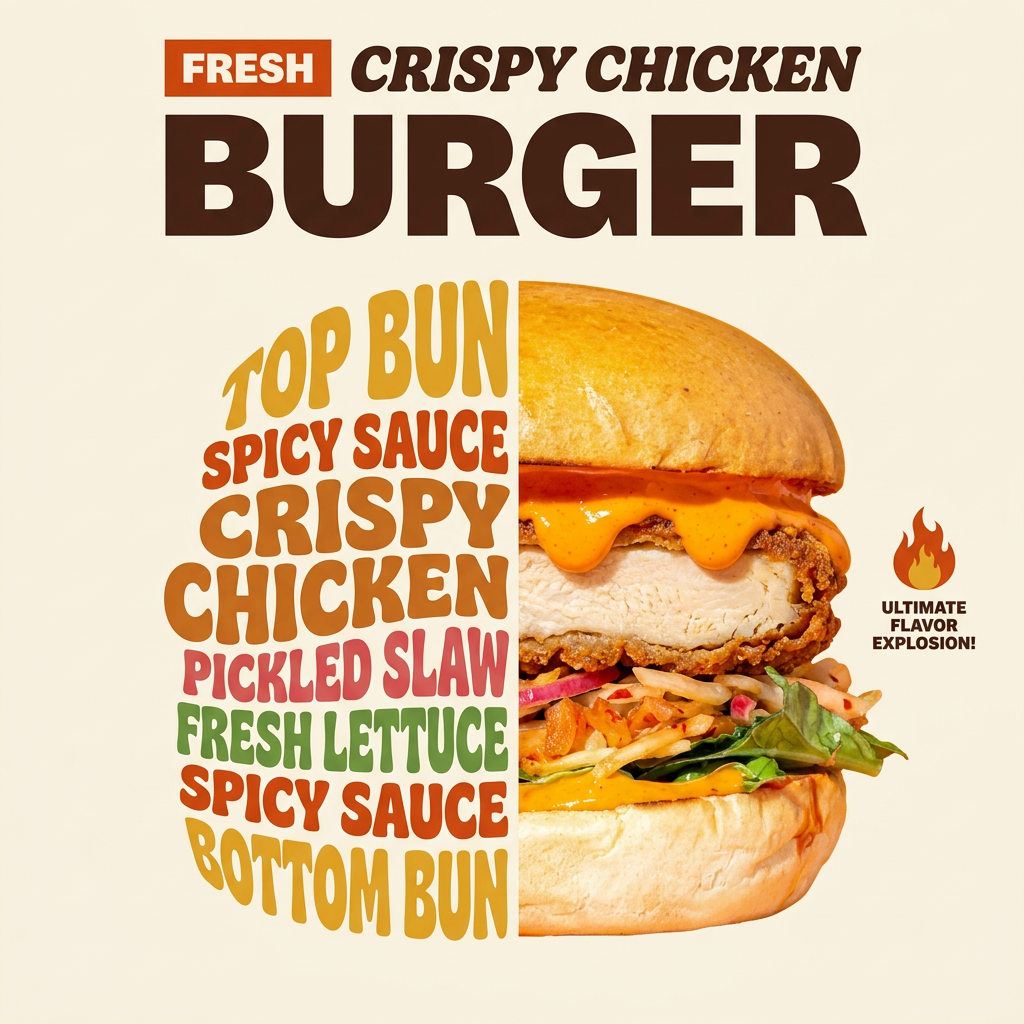
Turn any food product shot into a bold, nostalgic retro advertisement. It drops your item onto a warm cream background and automatically frames it with a color-matched header badge for that classic mid-century print ad look.
Regenerate using your own assets.
From one-off generation to a scalable ad creative engine
The individual pieces of AI video generation are powerful, but their true value for marketers is unlocked only when they are assembled into a reliable production system. Chasing viral, multi-tool hacks is a recipe for ad fatigue and inconsistent results. True 'authenticity' in AI-powered advertising comes from visual consistency and clear storytelling—elements that are born from a structured workflow, not random generation.
By following this four-step process—consistent character, realistic scene, subtle motion, and on-brand text—you move beyond making a single cool video. You build an engine. An engine that lets you test dozens of creative variations, find what resonates with your audience, and scale your campaigns, all while maintaining perfect brand control. MyUP provides this integrated system, allowing you to focus on the marketing strategy while the AI handles the production.