Why most AI-generated thumbnails fail to grab attention
You’ve spent hours generating dozens of AI thumbnails. You followed the prompt guides, but the results are a chaotic mess. The main subject is lost in a sea of visual noise, the text is illegible, and nothing compels a click. You're not alone. As of September 2026, this is the single biggest frustration for creators and marketers: generic AI tools produce images, but they don't produce effective communication.
While some tools are now trying to bolt on a 'Hierarchy Mode' to fix these fundamental flaws, it's a patch on a broken process. The problem isn't a missing button; it's that these tools lack any understanding of creative intention. They generate pixels, not purpose. A truly effective thumbnail isn't just a pretty picture; it's a carefully constructed visual argument designed to capture attention in less than a second. This guide lays out the practical method to achieve that, moving you from being a frustrated AI operator to a director of finished, high-impact creations.
The 3 core principles of hierarchy for thumbnails that work
Visual hierarchy is the design principle that tells the viewer's eye where to look first, second, and third. Without it, a thumbnail is just noise. Effective thumbnails master three core elements:
- A Dominant Subject: There must be one, and only one, hero of the image. This is the focal point where the viewer's eye lands instantly. If everything is important, nothing is.
- Strategic Contrast and Color: The relationship between light and dark, bold and muted colors, and sharp and soft focus guides the eye. High contrast draws attention to the focal point, while a cohesive color palette makes the thumbnail feel professional and on-brand.
- Intentional Negative Space: The empty areas are just as important as the subject. Negative space, or “breathing room,” prevents visual clutter and makes the dominant subject stand out dramatically.
Generic AI generators are not built to respect these principles. They are built to fill the canvas based on statistical patterns, which often results in a visually democratic but ultimately ineffective image.
The old method: fighting the AI with complex prompts and manual fixes
If you're using generic AI image tools, you're likely familiar with the struggle. You start with a simple idea and quickly descend into a frustrating battle against the machine, trying to force a good composition.
This often involves:
- Endless Prompt Engineering: You start adding desperate commands like "clear focal point," "uncluttered background," "subject in the center," and a long list of negative prompts (`--no text, --no extra limbs, --no busy background`) hoping the AI will finally understand.
- The Multi-Tool Shuffle: You generate a decent-but-flawed image in one tool, export it to a graphic design program like Canva or Photoshop to manually remove clutter and add text, and then maybe even run it through another AI enhancer to fix the lighting.
- Accepting Mediocrity: After hours of tweaking, you settle for a thumbnail that is “good enough” but lacks the professional polish and stopping power you were aiming for.
This entire creative process is inefficient and unsustainable. It treats AI as a source of raw, unpredictable material that you have to wrestle into shape. There is a better way.
The MyUP method: from intention to a finished, high-impact thumbnail
MyUP, the Creative Production Platform, is built on a different philosophy. Instead of describing the pixels, you describe your creative intention. MyUP doesn't just give you a raw image; it delivers a finished creation, ready to publish. The platform's production engine is designed by top creators and incorporates the principles of visual hierarchy from the start. This means you get a professionally composed asset without becoming a prompt engineer or a graphic designer.
Here’s how the MyUP method turns your goal—an attention-grabbing thumbnail—into a finished result.
Step 1: establish a powerful focal point
The first and most critical step is establishing what the thumbnail is about. With MyUP, you don't need to use complex prompt weighting to tell the AI what's important. Instead, you can use a creative template that is pre-configured to prioritize a strong focal point. For instance, if your goal is to create a powerful ad for a food product that shows someone enjoying it, you can state that intention directly.
A template like the Bold Portrait Food Advertising Photo is designed for exactly this. It ensures the person and the product are the clear heroes of the image, creating an immediate emotional connection and a powerful focal point that generic tools struggle to achieve. You just provide the product, and the production process handles the composition.
Template: #myup-xjsb-hirr
Bold Portrait Food Advertising Photo

Get those high-impact, tight action shots of people actually enjoying your food brand. It drops your product right into a messy, realistic close-up bite shot that feels like a premium lifestyle campaign instead of a boring studio packshot.
Regenerate using your own assets.
Step 2: integrate on-brand text and colors that support the message
A common failure of AI thumbnails is poorly integrated text. It's often unreadable, badly placed, or stylistically jarring. MyUP solves this by integrating your visual identity directly into the creation process. By setting up your Brandkit once—with your logos, fonts, and color palette—every creation you produce is automatically on-brand.
Furthermore, MyUP's creative templates are designed by professionals who understand typography. They ensure that text elements are not just overlays but are integral parts of the composition, with proper scale, contrast, and placement for maximum readability. For a perfect balance between a subject and text, like a magazine cover, you can use a template designed for that exact purpose.
Template: #myup-yk1h-uqy8
High-End Editorial Fashion Magazine Cover
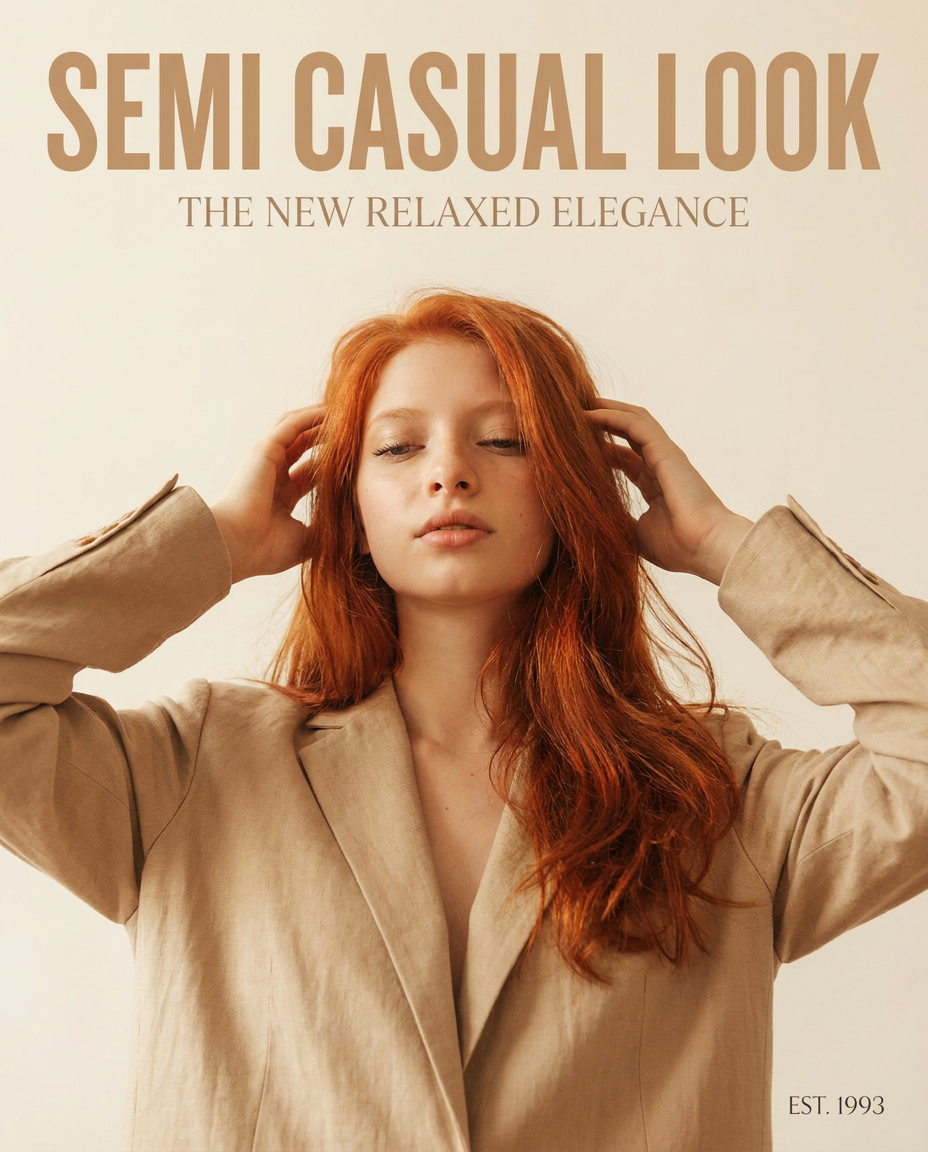
Drop in any portrait and turn it into a high-end editorial magazine cover. It frames your subject beautifully with relaxed, high-fashion posing and soft styling for a polished print aesthetic.
Regenerate using your own assets.
This approach ensures your message is not only seen but is also consistent with your brand, a crucial detail we explored in our guide to fixing failing AI brand kits.
Step 3: produce cohesive visuals for a full campaign
A single great thumbnail is good. An entire campaign of consistently great visuals is what drives real results. MyUP's intention-driven model excels at producing a suite of assets that all adhere to the same principles of visual hierarchy, ensuring your brand looks professional and cohesive across every channel.
Instead of creating one-off images, you can state a broader intention, like creating a full ad campaign for a new product. MyUP can then generate a series of finished visuals—a hero shot, a lifestyle scene, a detail shot, and social media formats—that all share a consistent, high-end aesthetic. This is something that would take a team of creatives days to accomplish with traditional tools.
Template: #myup-vccl-cyv5
Luxury Skincare Product Ad Campaign
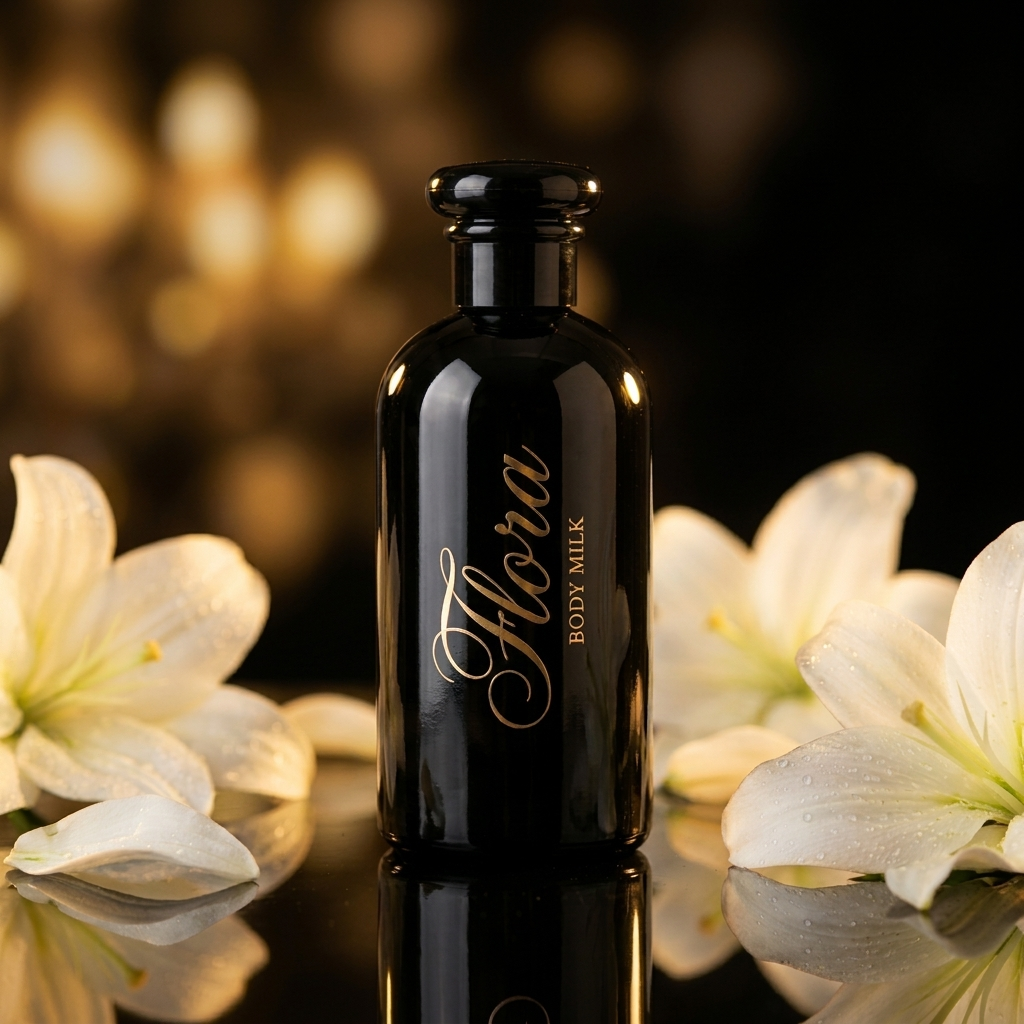
Create a polished luxury advertising set from a single beauty product image. This reusable 4-step workflow generates a clean studio hero shot, an elegant lifestyle scene, a macro product detail and a vertical social media composition while preserving the visual identity of the uploaded product. Designed for skincare, cosmetics and premium beauty products.
Regenerate using your own assets.
By focusing on the campaign as the goal, you move beyond single images and begin directing a full-scale creative production.
Stop generating images, start creating results
The next time you need a thumbnail, don't start by asking, “What prompt should I use?” Instead, ask, “What result do I want to create?” The shift from generating random images to producing intentional, finished creations is the key to unlocking the true power of AI for your brand.
Raw AI generators will give you images. A Creative Production Platform like MyUP delivers results. If you're ready to stop wrestling with pixels and start creating high-impact visuals that work, the method is simple. Describe your intention on MyUP and let the platform handle the production from A to Z.