You’ve seen them all over social media this month. QR codes that look like detailed illustrations, photorealistic scenes, or abstract paintings. The trend exploded in June 2026, promising a way to turn a functional tool into a piece of art. The problem? As many marketers and designers are discovering, most of them don't actually work.
You point your phone's camera at the beautiful image, and nothing happens. No link, no prompt, just a useless piece of art. You’ve wasted time on a generator that prioritized novelty over function, and the result is a broken link in your customer journey. This isn't just a technical glitch; it's a marketing failure.
Why your viral AI QR code is a beautiful failure
The core issue is that most AI image generators are not built to understand the strict structural requirements of a QR code. They treat the black and white squares as just another pattern to blend into an image. In the process, they destroy the very data that makes the code scannable.
A QR code is not an image; it's data visualized. It contains three critical components: the finder patterns (the large squares in the corners), the alignment patterns, and the data modules (the small squares that encode your URL). When an AI model overwrites, distorts, or removes too many of these modules in the name of art, the code breaks. The result is an asset that looks impressive on a portfolio but fails at its only job: connecting a physical experience to a digital one.
Art vs. function: what actually breaks a QR code?
To understand why these codes fail, you need to know about 'error correction'. QR codes are designed to be robust. They have built-in redundancy, allowing them to remain scannable even if a part of the code is dirty, damaged, or covered up. This redundancy comes in four levels, from Low (7% of data can be restored) to High (30% can be restored).
When you add a logo or artistic elements correctly, you are strategically using up this error correction budget. But art-first AI generators don't have a budget. They apply style indiscriminately, often obliterating far more than 30% of the essential data. They tear through the safety net, leaving a code that is functionally broken. The more complex the art, the higher the chance of failure.
The fix isn't a better generator, it's a brand-aware workflow
The goal isn't just to make a scannable QR code. The goal is to make one that is instantly recognizable as part of your brand. It should use your colors, incorporate your logo, and reflect your visual style. This is a task that a one-off, anonymous generator can't handle. It requires a system that understands your brand identity from the start.
This is where MyUP.ai changes the process entirely. Instead of starting with a generic art tool, you start with your brand. MyUP's Brandkit saves your logo, brand colors, fonts, and visual style. When you create a QR code, the platform doesn't just apply random art; it systematically integrates your specific brand elements while respecting the technical limits of the QR code format. It balances creative expression with the non-negotiable need for scannability.
How to create a scannable, on-brand QR code in MyUP
Forget the guesswork and endless regeneration cycles. With MyUP, you can create a batch of on-brand, scannable QR code options in minutes. The process is designed for control and reliability—MyUP handles the complex generation, while you validate the final output.
Here’s the basic workflow:
- Start with a standard QR code: Use any basic QR code generator to create a simple, black-and-white code for your target URL. Save it as a PNG image. This will be our functional base.
- Launch the MyUP Workflow: Inside MyUP, you can use a workflow designed to merge images and brand styles. The Product Stickers workflow is perfect for this task.
- Provide your inputs: Upload your basic QR code image. The workflow will automatically pull your logo and colors from your saved Brandkit. You'll then provide a simple text prompt to guide the visual style, such as “A vibrant farmers market scene” or “Sleek, minimalist technology pattern.”
- Generate and validate: MyUP will generate a grid of options, each blending your QR code structure with your brand style. The key difference is that this process is designed to preserve scannability. Before you download anything, you can test each option directly on your screen with your phone's camera. You approve the one that works best, ensuring 100% reliability.
This workflow puts you in control, turning a frustrating gamble into a predictable part of your brand asset production. To get started, you can use the template below.
Workflow code: #myup-swqt-4zo3
Product Stickers
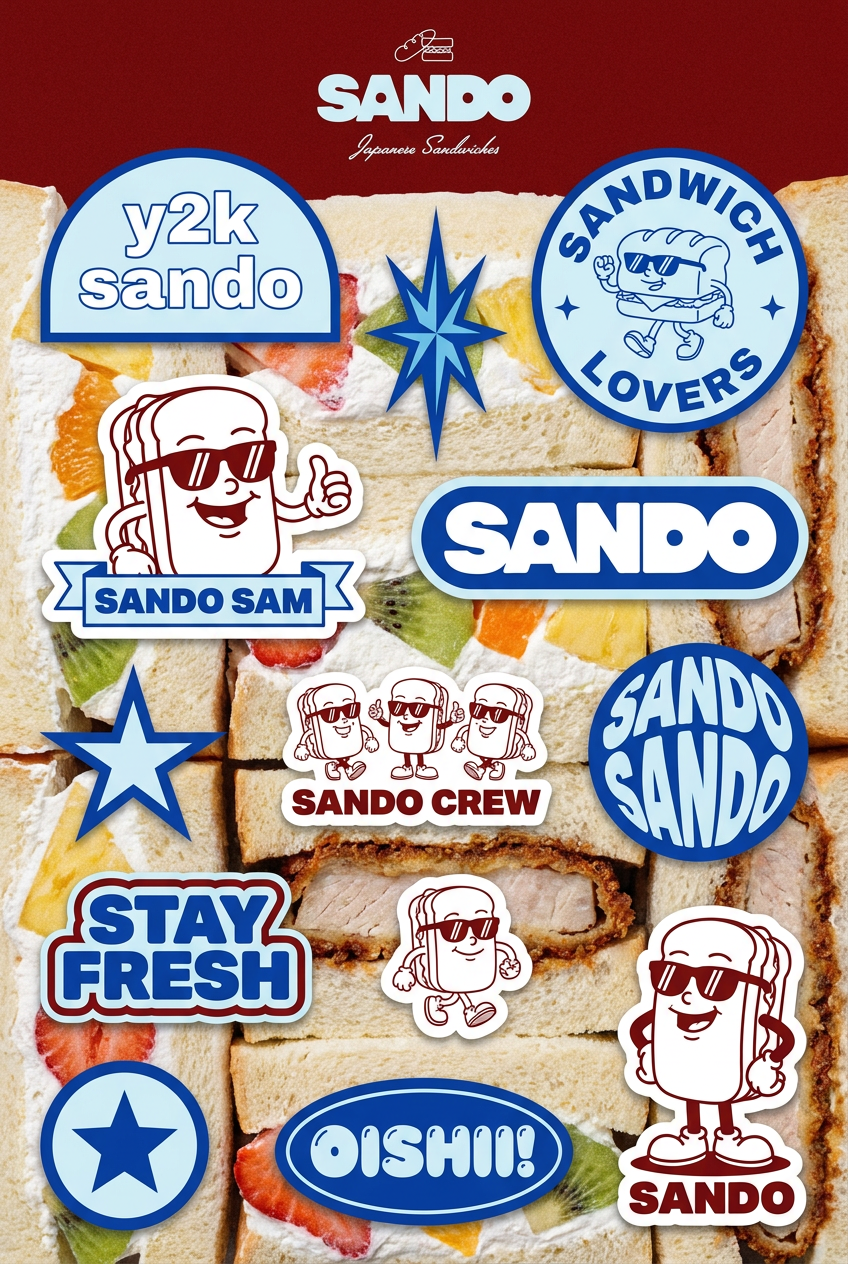
Turn your logo into a nostalgic, vibrant Y2K-style vertical ad. It automatically pulls your brand colors to create matching sweet treats like custom donuts or cupcakes in the background, giving you a super playful retro-pop aesthetic.
Regenerate using your own assets.
Put your branded QR code to work on posters and ads
A scannable, on-brand QR code is a powerful asset, but it rarely lives in isolation. Its value is realized when it's placed on marketing materials like event posters, product packaging, menus, or social media ads. A QR code that perfectly matches the design of the surrounding asset feels intentional and professional, encouraging more scans.
Once you've generated your QR code in MyUP, you can immediately integrate it into other brand assets using another workflow. For example, you can take your new QR code and add it to a poster design without leaving the platform. This ensures that the entire marketing piece, from the headline to the QR code, is visually consistent. It's the difference between slapping a generic QR code on a design and creating a fully integrated, branded call to action. To see how this works, try adding your new QR code to one of these poster templates.
Workflow code: #myup-n0bi-2wzk
Bold Editorial Grid Poster
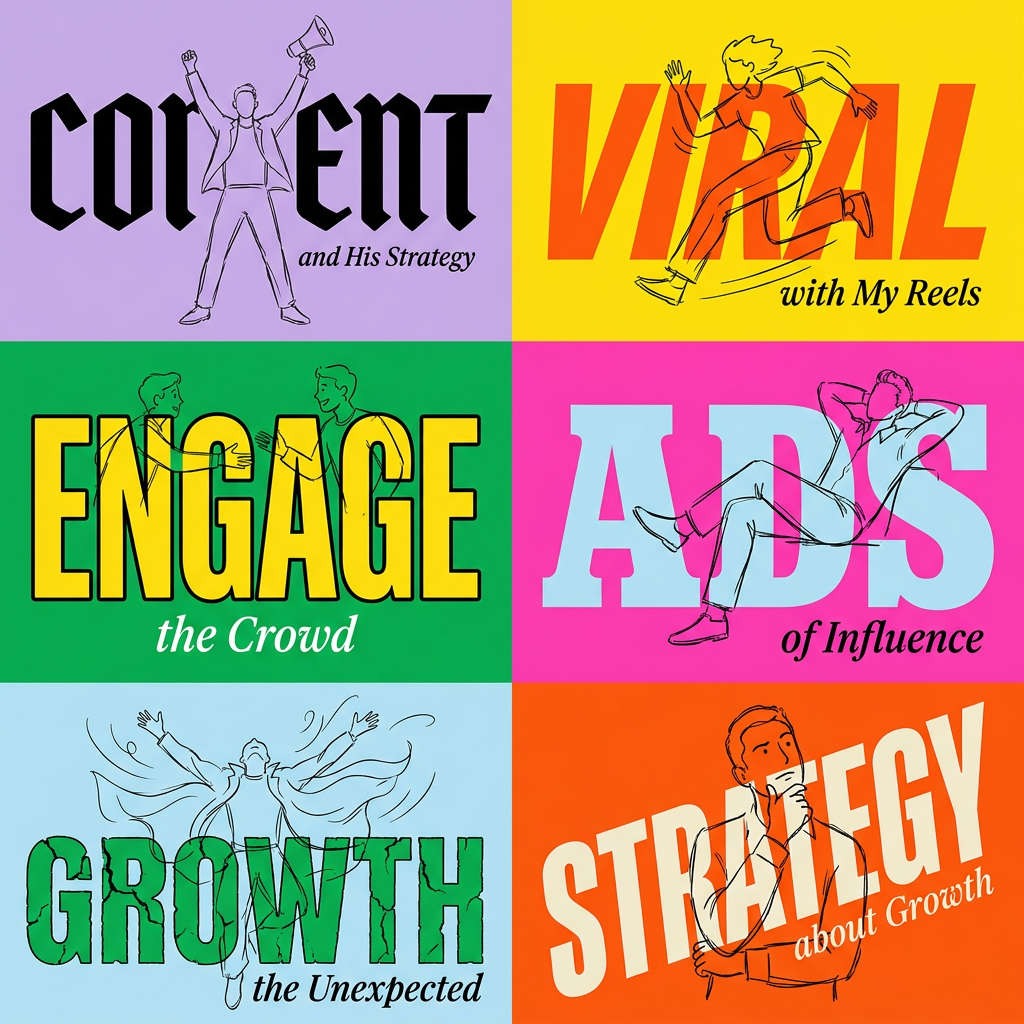
Create striking 2x3 editorial posters with six seamless, flat-color square cards in a perfect 4:5 grid. There are absolutely no gaps between the blocks, giving your content a bold, high-contrast magazine layout. It looks incredibly clean on any social feed.
Regenerate using your own assets.
Workflow code: #myup-k4td-9k6z
Minimalist Poster
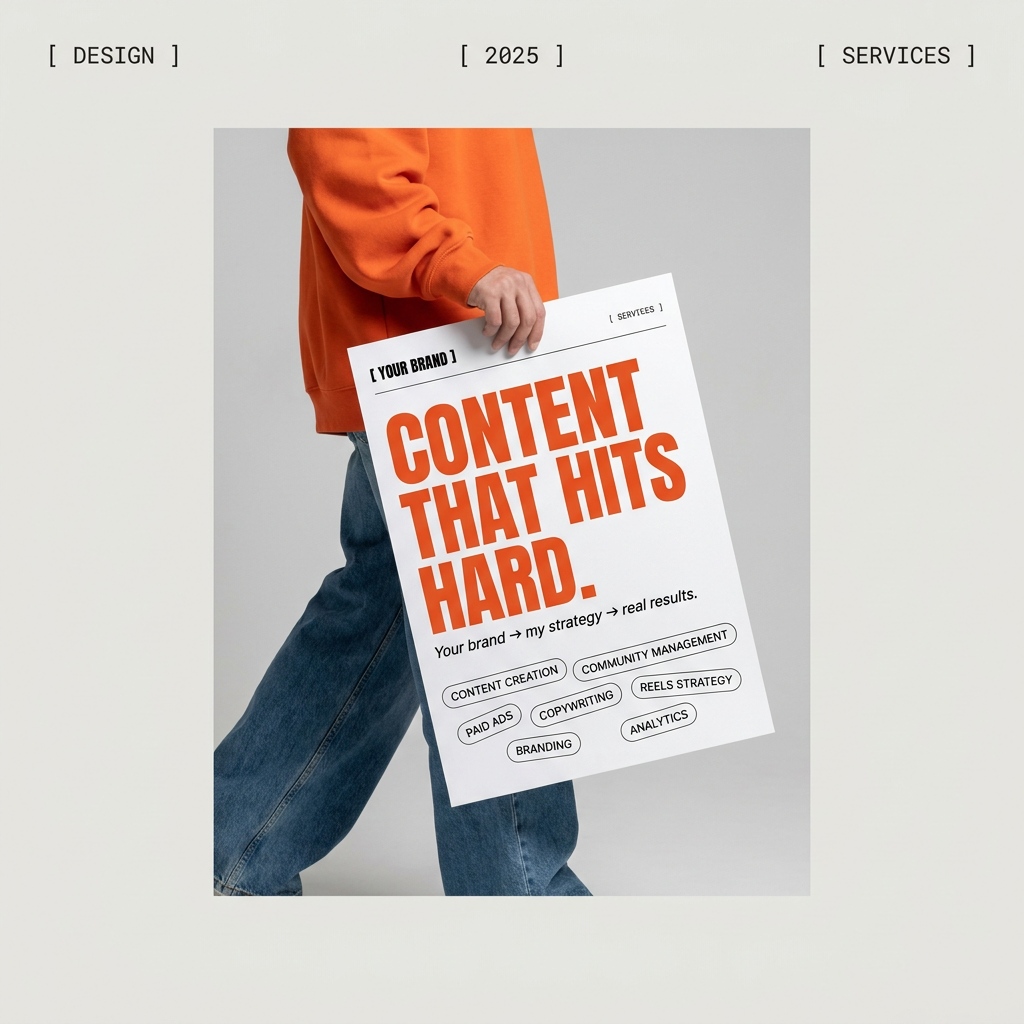
Give your social feed a clean, gallery-like aesthetic. This layout frames your images with structured mono typography and soft, neutral backgrounds for a high-end editorial look. It's perfect for minimal product launches or brand announcements.
Regenerate using your own assets.
A QR code is a brand asset, not just a link
The viral trend of AI QR code art highlighted a real business need: the desire to make every customer touchpoint beautiful and on-brand. But the initial execution was flawed because it forgot the purpose of the tool. A QR code that doesn't scan is just noise.
By using a platform like MyUP.ai, you shift from creating novelties to producing reliable brand assets. With a Brandkit and a repeatable workflow, you ensure every QR code you create is not only visually aligned with your brand but also guaranteed to work in the real world. Stop making art that fails and start making marketing that connects.