
You fed your big idea into an AI presentation maker. You typed in the prompt, clicked “generate,” and waited for the magic. What came back was… disappointing. A collection of slides, sure, but not a story. The visuals clash, the layouts are generic, and the whole thing feels soulless, assembled from a kit of mismatched parts.
In a high-stakes pitch, that inconsistency isn't just an aesthetic problem; it's a credibility killer. It signals a lack of care and vision. This is the core failure of most AI deck builders: they treat a presentation like a template to be filled, not a narrative to be built.
The problem isn't the AI; it's the process. A great pitch deck isn't a template; it's a workflow. Here’s the complete workflow to generate a deck that tells a consistent, persuasive story from a single prompt.
Why 'one-click' AI deck builders create presentations that fail
Most AI presentation tools, like Tome or Gamma, are fundamentally templating engines. They take your text and pour it into pre-designed layouts, often pulling from stock photo libraries or generating one-off AI images with no consistent style. The result is a deck where the “Problem” slide looks like it’s from a different company than the “Solution” slide.
This visual chaos breaks the narrative spell you're trying to cast. If you've seen the recent viral social media trends showing creators using complex, multi-tool hacks to achieve character consistency in AI storyboards, you've seen this problem in real-time. Creators are desperate for narrative cohesion, and the basic tools aren't delivering it.
A persuasive pitch relies on a single, unified visual language that reinforces your message from start to finish. If your AI tool can't maintain that consistency, it's not a production tool; it's a liability. You need a system that understands your brand's DNA and applies it intelligently to every single asset it creates. This is where a workflow approach, built on a central brand identity, fundamentally outperforms a simple template-filler.
The 4-step workflow for a true prompt-to-deck generation
Instead of a single, hopeful click, we’ll use a structured, four-step workflow inside MyUP. This process ensures that the story dictates the visuals, not the other way around. It moves from high-level strategy to the final polished asset, giving you control at every stage.
- Narrative First: Generate the complete slide-by-slide outline and talking points from your core idea.
- Visual Language: Generate unique, on-brand visuals for every key message, all governed by your MyUP Brandkit.
- Asset Integration: Seamlessly incorporate specific content like product shots and team photos while maintaining brand style.
- Final Assembly: Apply brand fonts, colors, and logos consistently across the entire deck for a professional finish.
Step 1: From a single idea to a complete narrative outline
Before a single pixel is generated, you need a story. A pitch deck is an argument, and every slide is a piece of evidence. Start in MyUP by using a text generator to flesh out your core prompt. Don't just ask for “a pitch deck.” Guide the AI with a clear structure.
A great starting prompt might be: “Generate a 10-slide pitch deck outline for 'ConnectSphere,' a decentralized social network for creators. The slides should cover: 1. The Problem with Web2 social media. 2. Our Solution. 3. Market Size. 4. Product Demo. 5. Business Model. 6. Go-to-Market Strategy. 7. Team. 8. Financial Projections. 9. The Ask. 10. Vision.”
MyUP will generate the core narrative and key talking points for each slide. You, the human expert, can then review and refine this text. This text-first approach ensures your deck has a logical, persuasive flow before you ever think about design.
Step 2: Generating unique, on-brand visuals for every slide
With your narrative locked in, it's time to create the visual world of your presentation. This is where the MyUP Brandkit becomes your most valuable asset. By setting up your Brandkit once—with your logo, color palette, fonts, and visual style—you create a set of rules that the AI will follow for every image it generates. It’s the difference between random outputs and a cohesive visual system.
For each slide's key message, you'll generate a unique image. Let's start with the cover slide for 'ConnectSphere.' You need a powerful, abstract visual that communicates connection and decentralization. Instead of a generic stock photo of a network, you can generate something truly custom.
A workflow is the perfect tool for this. It combines a strong layout with your unique brand style to create a compelling hero image. The 'Bold Editorial Grid Poster' workflow is ideal for creating a striking, modern title slide.
Workflow code: #myup-n0bi-2wzk
Bold Editorial Grid Poster
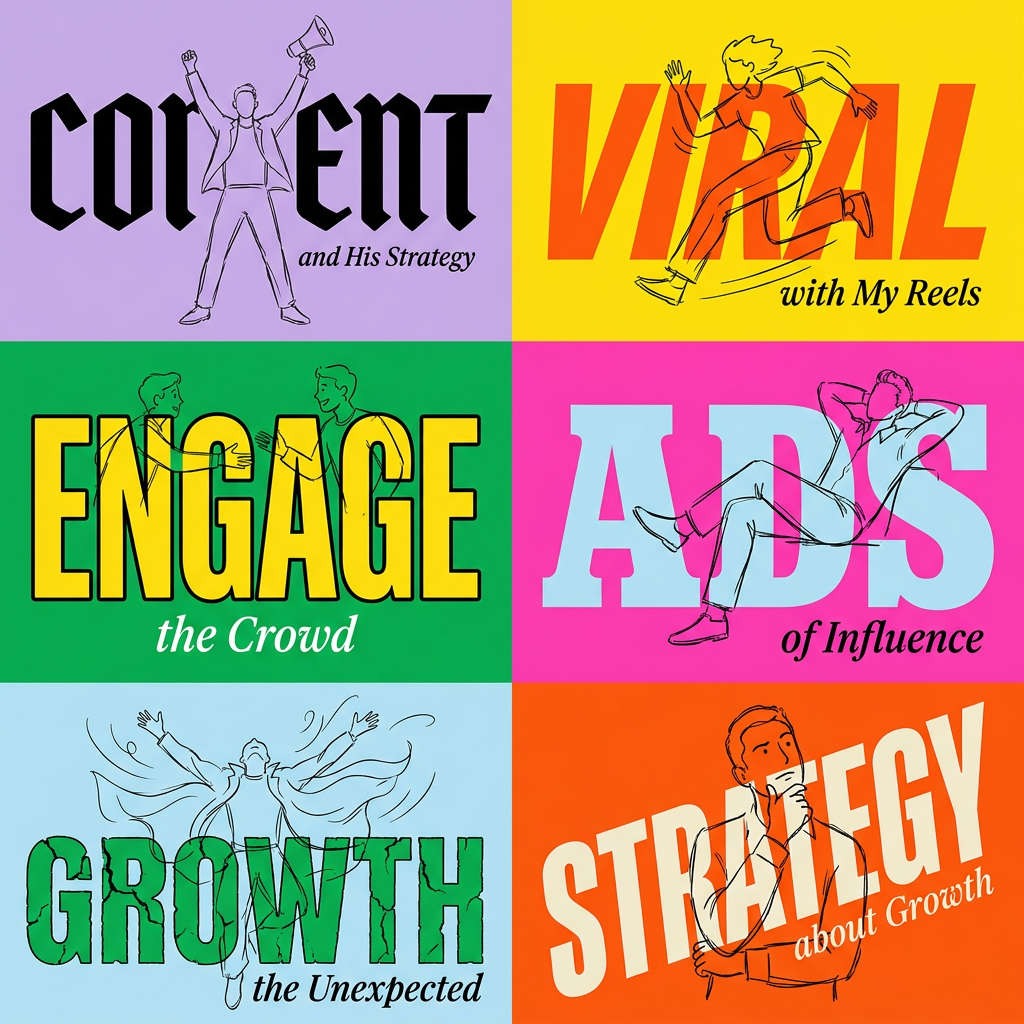
Create striking 2x3 editorial posters with six seamless, flat-color square cards in a perfect 4:5 grid. There are absolutely no gaps between the blocks, giving your content a bold, high-contrast magazine layout. It looks incredibly clean on any social feed.
Regenerate using your own assets.
By running this workflow, MyUP will generate a cover image that is not only conceptually relevant but also perfectly aligned with your brand's aesthetic, because it's all filtered through your Brandkit.
Step 3: Handling product shots, data, and team photos
A pitch deck isn't all conceptual illustrations. You need to show your actual product, introduce your team, and perhaps visualize data. A workflow-based system can handle these assets without breaking brand consistency.
For a product slide, you don't want a sterile screenshot on a white background. You want to place your product in a context that feels aspirational and on-brand. In MyUP, you can use a workflow to generate a scene or backdrop that incorporates your brand's colors and style, and then composite your product image into it. This ensures even your product shots feel like they belong in the same universe as your conceptual visuals.
For a clean, minimalist product feature slide, a dedicated advertising workflow is the fastest path to a professional result.
Workflow code: #myup-sygb-rhnt
Minimalist Vertical Product Advertising Poster
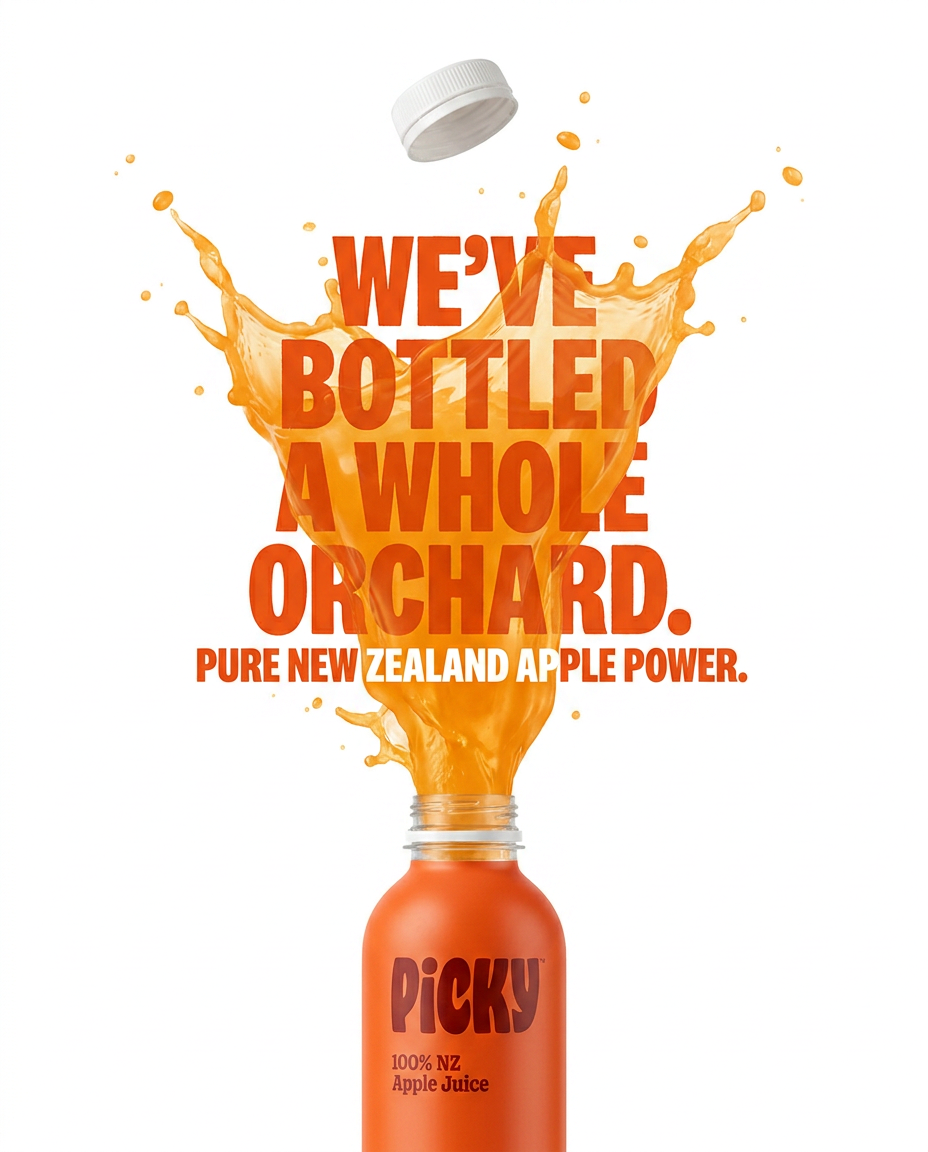
Drop the clutter and put your product in the spotlight. This setup places your item against a pure, seamless white background with a striking vertical flow that draws the eye straight up. It's perfect for creating clean, high-end studio posters.
Regenerate using your own assets.
This same principle applies to team photos. Instead of a grid of mismatched headshots, use MyUP to apply a consistent color grade or background style to each photo, unifying them instantly.
Step 4: Assembling the deck and letting your story shine
The final step is assembly. With your narrative text and a full suite of on-brand visual assets generated, MyUP brings it all together. Because every element was created with the Brandkit as its guide, this stage is seamless. Your brand colors are automatically applied to text and backgrounds. Your chosen fonts are used for all headlines and body copy. Your logo is placed consistently on each slide.
This is where the MyUP philosophy of “human control” is critical. The AI handles the heavy lifting of production, but you are the final editor. You can easily swap out an image, tweak a headline, or reorder the slides. The platform executes your vision at scale, but you always have the final say. The result is a deck that feels bespoke and professional, not automated and generic.
Your pitch deck is a workflow, not a template
The promise of an 'AI pitch deck generator' isn't just about speed; it's about quality and persuasion. A collection of mismatched slides, no matter how quickly it's generated, undermines your message. It tells investors that your vision is as disjointed as your visuals.
By shifting from a template-filling mindset to a narrative-first workflow, you create a presentation that is cohesive, compelling, and uniquely yours. You build a story where every word and every image work together to make your case. In MyUP, you're not just making slides—you're building the visual argument that gets your idea funded.