
You have a killer statistic or a powerful quote. You paste it into LinkedIn, hit post, and it vanishes into the feed. The insight is solid, but text alone no longer cuts through. You know a branded graphic would perform better, but opening up Canva or Photoshop to create one feels like a production bottleneck you can't afford for every single post.
The problem isn't your ideas; it's the friction in turning them into brand assets. This guide details a workflow that removes that friction entirely. We’ll show you how to use a single text input on MyUP.ai—a quote, a data point, a key takeaway—to automatically generate a series of professionally designed, on-brand graphics formatted perfectly for the LinkedIn feed.
Why your text-only LinkedIn posts are getting lost
The LinkedIn feed has fundamentally changed. It's a visual-first platform where branded graphics, carousels, and videos command attention. A text-only post, no matter how insightful, is fighting an uphill battle for visibility. Your audience scrolls quickly, and their eyes lock onto content that is visually distinct and easy to digest.
This creates a painful choice for marketers and founders: either spend hours creating visuals manually for every post or settle for low-reach text updates. Generic AI image generators don't solve this. They produce off-brand visuals that can dilute your brand identity and often require significant manual correction, especially when it comes to placing text correctly. You don't just need a graphic; you need a scalable system for producing your brand's graphics.
The fix: an automated, brand-aware graphic workflow
The solution is to stop thinking about creating graphics one by one and start thinking about building a content production machine. In MyUP.ai, this machine has two core components: your Brandkit and a repeatable workflow.
Your Brandkit is a central hub for your visual identity. You set it up once by providing your website URL, and MyUP automatically extracts your logo, color palette, and fonts. This becomes the unbreakable set of rules for every piece of content the platform generates for you.
A workflow is a series of automated steps that takes an input (like your quote) and uses your Brandkit to produce a specific output (like a branded graphic). The result? You provide the text, and MyUP handles the design and production, ensuring every visual is perfectly and consistently on-brand, every single time.
Step 1: Create your Brandkit (the 'set it and forget it' foundation)
Before you generate anything, take five minutes to establish your visual foundation. This one-time setup is what makes all future content creation instant and consistent.
Inside MyUP.ai, navigate to the Brandkit section. Simply enter your company's website URL. MyUP will scan the site and automatically pull your logo, primary and secondary colors, and typography. You can review and tweak any of these elements to ensure they're perfect. Once saved, this Brandkit is automatically applied to any workflow you run. This is the crucial step that separates brand-aware generation from generic AI tools. You are setting the rules that the AI must follow.
Step 2: Turn a single quote or stat into a high-impact graphic
Now for the execution. Let's take a simple, powerful use case: turning a single quote into a clean, shareable graphic. This is perfect for highlighting customer testimonials, expert opinions, or key data points.
We don't need a complex design—we need clarity, impact, and brand consistency. The goal is to make the text the hero, framed by your brand's visual identity. For this task, a clean, type-focused template is the ideal starting point.
The Minimalist Poster workflow in MyUP is built for exactly this. You provide the text, and the workflow automatically generates a graphic using your Brandkit's fonts and colors, framed with plenty of white space for a professional, high-end feel.
Workflow code: #myup-k4td-9k6z
Minimalist Poster
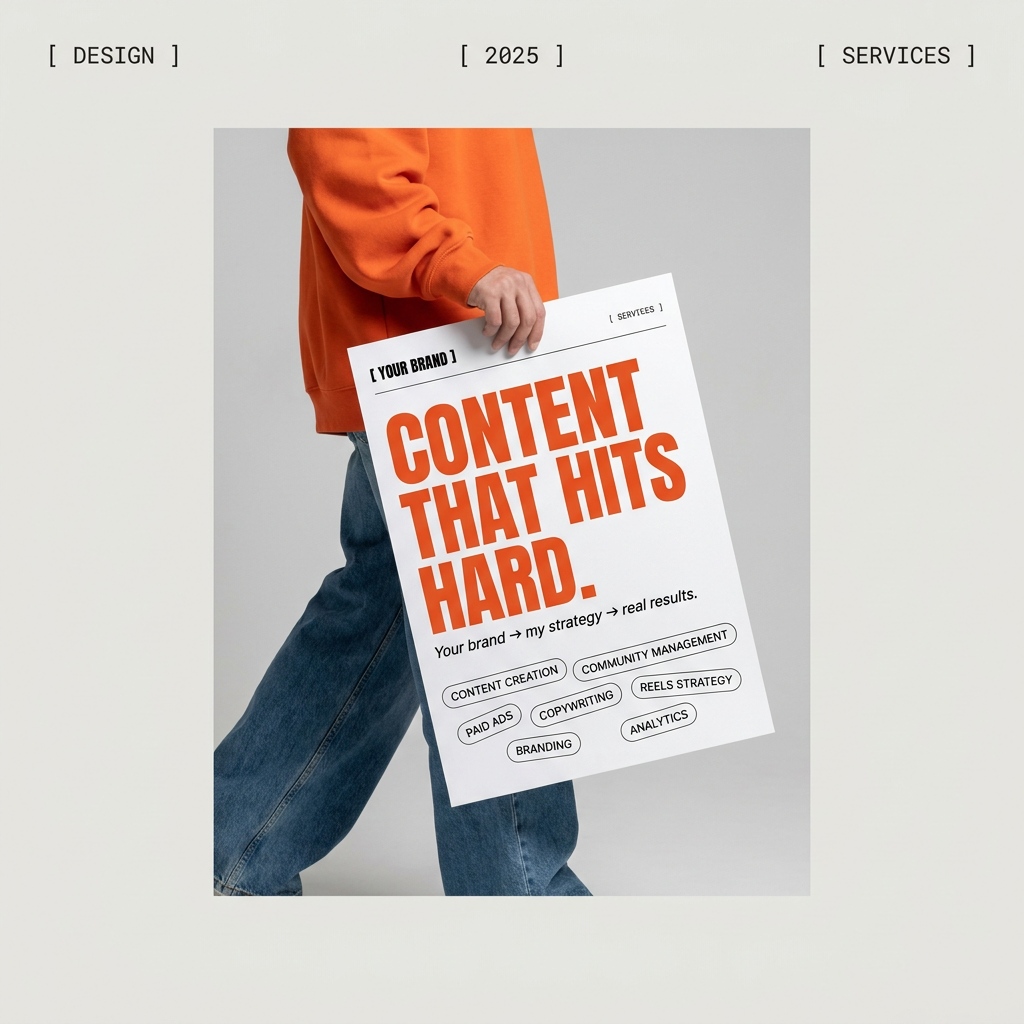
Give your social feed a clean, gallery-like aesthetic. This layout frames your images with structured mono typography and soft, neutral backgrounds for a high-end editorial look. It's perfect for minimal product launches or brand announcements.
Regenerate using your own assets.
Step 3: Go beyond single images with automated carousels
LinkedIn carousels (or document posts) are one of the highest-engagement formats on the platform. They allow you to break down a complex idea or a set of statistics into digestible slides, encouraging viewers to click through. Manually creating these is a time-consuming process, involving careful layout and formatting across multiple slides.
With a MyUP workflow, you can generate a full carousel from a single prompt. Simply break your data points or steps into a numbered list. The workflow will then generate a series of coordinated slides, each one perfectly on-brand.
The Bold Editorial Grid Poster template is ideal for creating these structured, multi-slide documents. It arranges content in a clean grid, which is perfect for presenting lists, steps, or multiple data points in a cohesive format that feels like a professional report.
Workflow code: #myup-n0bi-2wzk
Bold Editorial Grid Poster
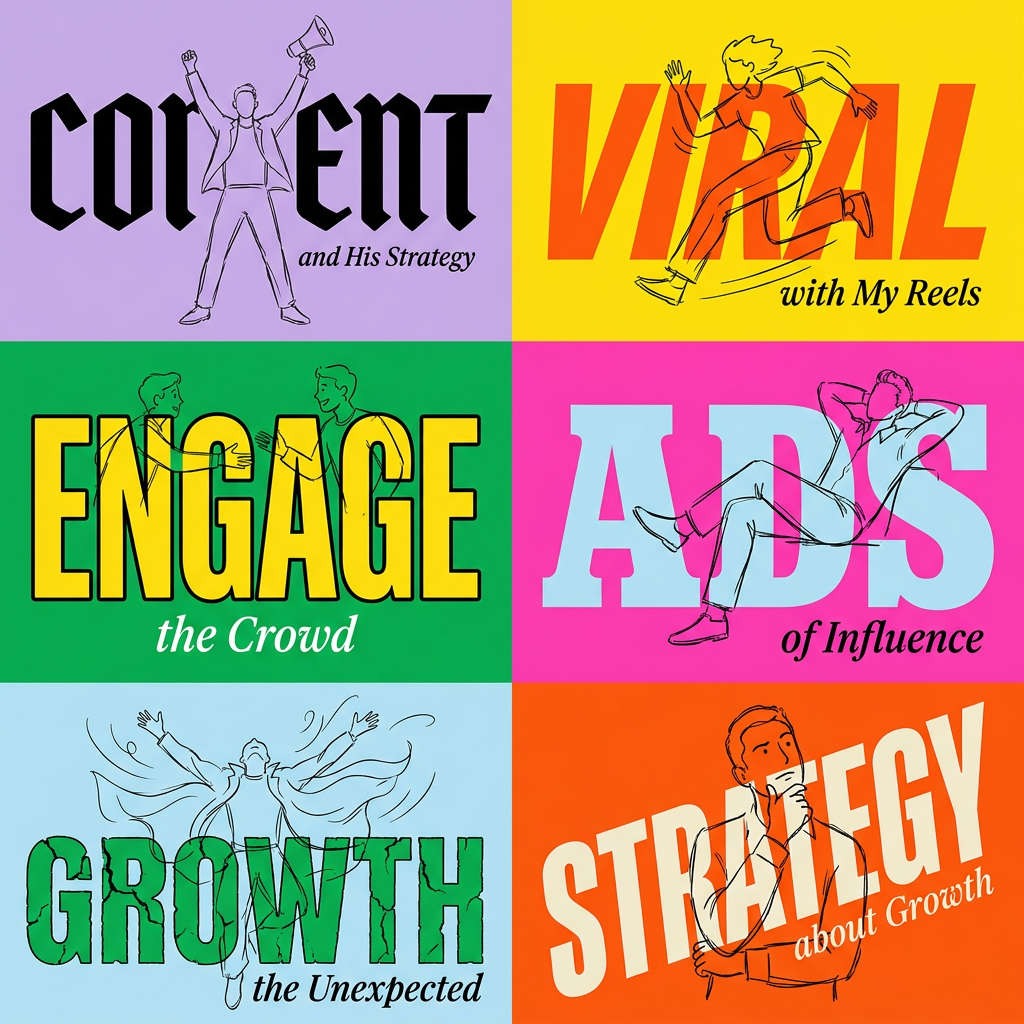
Create striking 2x3 editorial posters with six seamless, flat-color square cards in a perfect 4:5 grid. There are absolutely no gaps between the blocks, giving your content a bold, high-contrast magazine layout. It looks incredibly clean on any social feed.
Regenerate using your own assets.
Step 4: Choose your style and scale your output
Your brand isn't monolithic. You might need different visual styles for different types of announcements—a product launch might be bold and vibrant, while a hiring announcement might be more refined and professional. Because your Brandkit is separate from the generation workflow, you can run the same text through different templates to achieve different looks without ever going off-brand.
For instance, if you're announcing a new job opening, you can take the same text and use a workflow designed for that specific purpose. The Modern Hiring Poster template provides a polished, editorial layout perfect for attracting top talent. Your Brandkit ensures the colors and fonts are correct, while the template provides the appropriate structure.
Workflow code: #myup-eiob-7tbc
Modern Hiring Poster
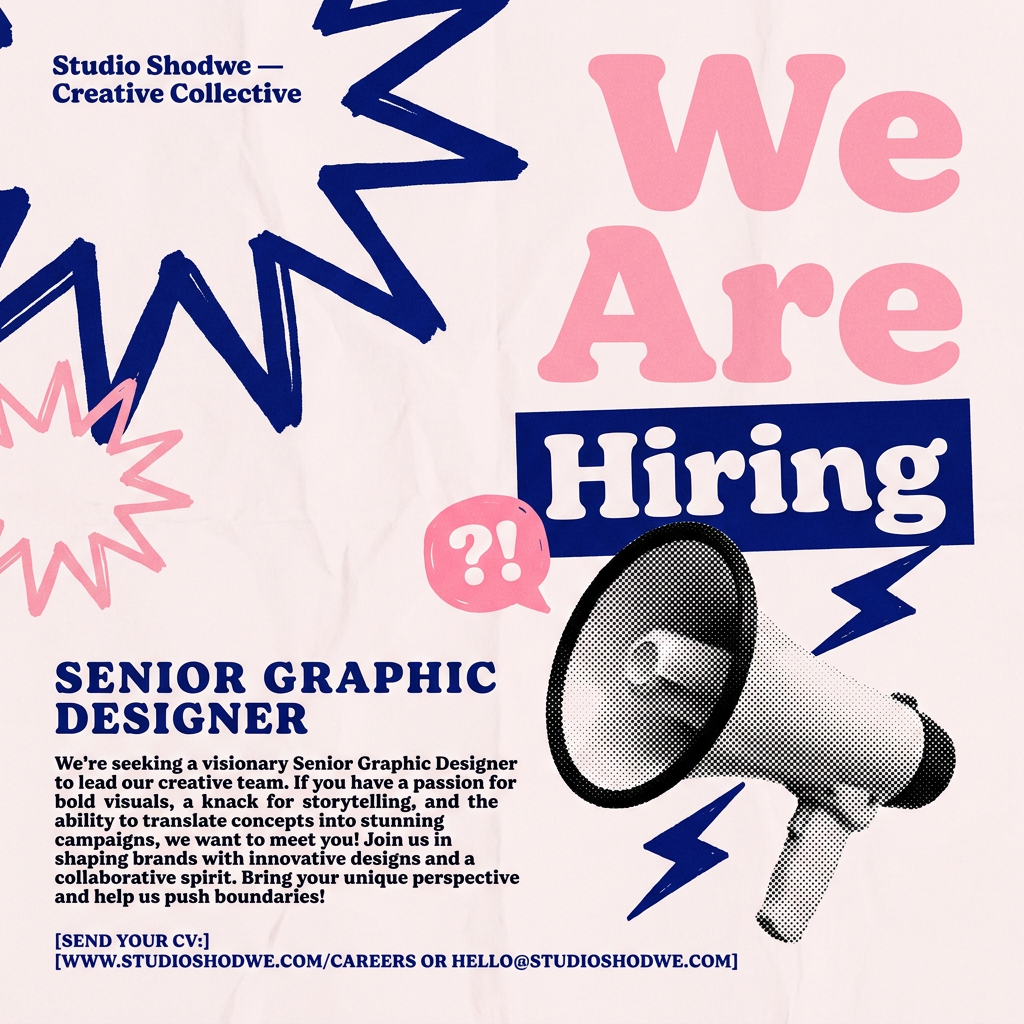
Turn your open roles into stylish social announcements. It sets your hiring details against a soft, textured paper background with clean, editorial typography. Perfect for giving your brand a polished, modern look when you're looking to hire.
Regenerate using your own assets.
This flexibility allows you to build a library of on-brand assets at scale. You can generate variations for A/B testing or create a full week's worth of content from a single document of stats and quotes, as detailed in our guide to turning one blog post into a week of on-brand visuals.
Your role: the expert who validates, not the designer who produces
This workflow shifts your role from production to creative direction. MyUP executes the design variations based on your rules; your job is to validate the output. You are the expert who chooses the strongest option, confirms the message is accurate, and makes the final call.
This human-in-the-loop approach keeps you in full control of your brand's narrative. The AI handles the repetitive, time-consuming task of production, freeing you to focus on the strategic work of ensuring your content is insightful, accurate, and effective. You're no longer a bottleneck in the content creation process; you're the curator of a high-volume, high-quality content pipeline.