You've adopted the latest AI models, but your campaign visuals look like they belong to ten different brands. The colors are slightly off, the typography is a wild guess, and the overall mood swings from one generation to the next. You're not alone. As of September 2026, the primary complaint echoing across Reddit forums and X threads from agencies and e-commerce owners is this exact paradox: AI models like Gemini Flash have made creation faster than ever, but they've also made brand consistency a chaotic, manual battle.
The new AI paradox: faster creation, messier brands
You've adopted the latest AI models, but your campaign visuals look like they belong to ten different brands. The colors are slightly off, the typography is a wild guess, and the overall mood swings from one generation to the next. You're not alone. As of September 2026, the primary complaint echoing across Reddit forums and X threads from agencies and e-commerce owners is this exact paradox: AI models like Gemini Flash have made creation faster than ever, but they've also made brand consistency a chaotic, manual battle.
You spend hours wrestling with prompts, trying to find the magic words that will force the AI to respect your brand. The result is a gallery of near-misses that require tedious post-production fixes in Photoshop, completely defeating the purpose of using AI for speed and scale.
Why 'style reference' and prompt tricks are a dead end
In a scramble to solve this, many creators are turning to the new 'Style Reference' features found in generic AI tools. The idea is simple: you upload one perfect, on-brand image and hope the AI uses it as a guide for all future creations. It’s a step up from text prompts alone, but for professional use, it’s a dead end.
These features are fundamentally just weak, image-based hints. They might capture a general color mood or textural feel, but they fail at the details that define a true brand identity:
- Typographic Integrity: A style reference image cannot enforce your specific brand font (e.g., Helvetica Now Display). The AI will just generate something that *looks like* a sans-serif font.
- Logo & Graphic Elements: It cannot guarantee correct logo placement, clearspace rules, or the consistent use of proprietary icons.
- Complex Color Rules: It struggles with nuanced color palettes, like the specific ratio of a primary to a secondary color, and often introduces unwanted shades.
Relying on these tricks is like trying to build a house with a picture of a blueprint instead of the actual blueprint. You get something that looks vaguely correct from a distance, but is structurally unsound and ultimately unusable without significant rework. This is why even your best attempts at on-brand AI visuals still look generic.
The solution: a production system built on brand identity
The professional solution isn't a better prompt or a clever trick; it's a better production system. Instead of fighting with a generic tool, you need a platform that is built on the principle of brand identity from the ground up. This is the core philosophy of MyUP.ai, the Creative Production Platform.
On MyUP, your brand isn't an afterthought you try to describe in a prompt. It's a foundational, lockable asset called a Brandkit. You create your Brandkit once by simply entering your website URL. MyUP automatically extracts your logo, color palette, and fonts, creating a complete visual identity system. This Brandkit then becomes the engine for every single creation. You're no longer prompting a tool; you're directing a production platform that already knows who you are.
Practical guide: generating a campaign from a Brandkit
Let's make this practical. Imagine you need to announce a new pop-up event. Your brand is bold, energetic, and has a retro-modern feel. With your Brandkit active in MyUP, you simply state your intention: "Create a bold, retro poster for a pop-up event."
MyUP doesn't just generate a random image; it executes a production process that uses your Brandkit's defined colors and typographic rules to deliver a finished, on-brand poster. The system knows to use your specific shade of yellow, your approved headline font, and to arrange the elements in a way that fits your established style. You can get this done instantly with a dedicated template.
Template: #myup-xbur-hzoi
Bold Retro Yellow Event Poster
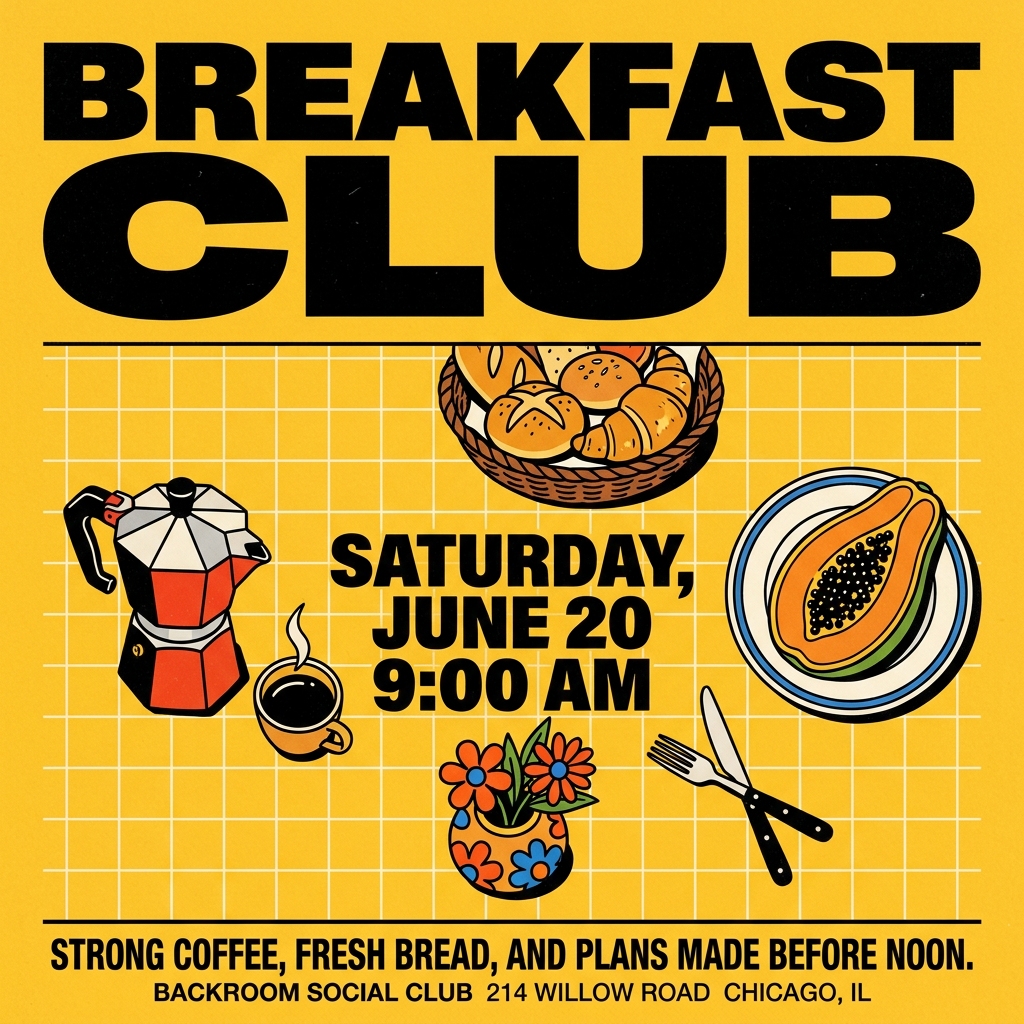
Turn your branding or event details into bold, nostalgic posters. It blends vibrant warm backdrops with a clean, retro square grid pattern to make any announcement look like a classic piece of mid-century graphic design.
Regenerate using your own assets.
Example 2: from bold poster to elegant product ad
But what if your next task is completely different? You now need to create a sophisticated, minimalist ad for a high-end product line. Does consistency mean all your visuals look the same? Absolutely not.
Using the exact same Brandkit, you can now state a new intention: "Create a minimalist, elegant ad for a luxury product." Because MyUP understands both your brand identity (from the Brandkit) and your creative intention (from your prompt and template choice), it can generate a visual with a completely different mood that is still perfectly on-brand. The colors will be from your approved palette, and any text will use your correct brand fonts, ensuring a cohesive campaign even with stylistic variation. This proves that a strong brand system enables creativity, it doesn't restrict it.
Template: #myup-fy77-jljs
Minimalist Elegant Product Advertising Poster
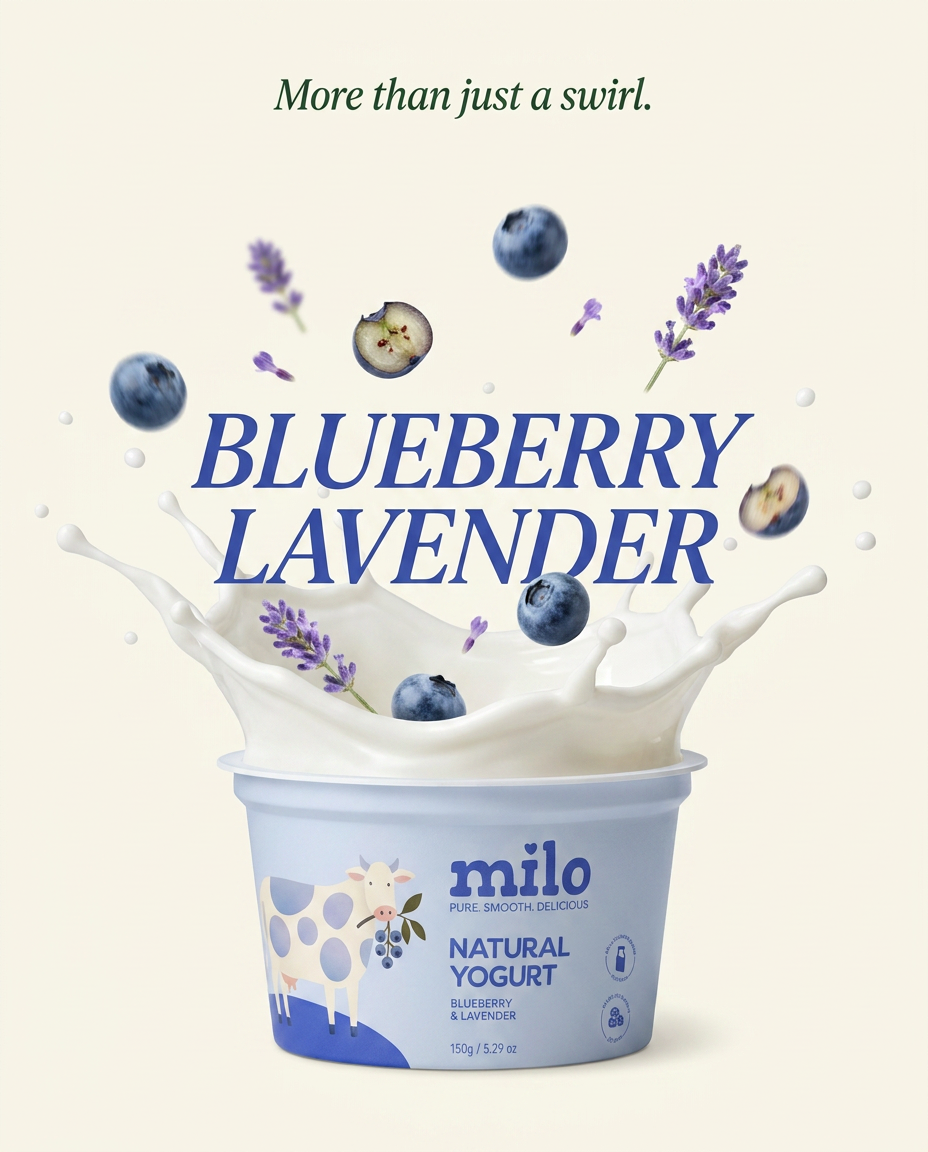
Turn any product shot into a high-end editorial ad. It places your item against a soft cream background with airy spacing and adds elegant, small serif typography at the top. Great for wellness or luxury brands wanting a calm, minimal aesthetic.
Regenerate using your own assets.
For e-commerce: achieving a consistent product catalog
This production method is essential for e-commerce, where a consistent catalog is critical for building trust. As Shopify sellers on community forums noted in early September 2026, using AI for product photos often results in inconsistent lighting, shadows, and backgrounds, making a store look amateurish. The problem, again, is that new models like Gemini Flash break brand identity if not properly controlled.
With a MyUP Brandkit, you can define your product photography style once. Specify the lighting (e.g., 'soft morning light from the left'), the background ('clean, light grey seamless'), and shadow style ('soft, diffused shadow to the right'). Now, every product photo you generate for your catalog will be perfectly consistent, creating a professional, cohesive storefront that looks like it was shot in a single studio session.
Template: #myup-vccl-cyv5
Luxury Skincare Product Ad Campaign
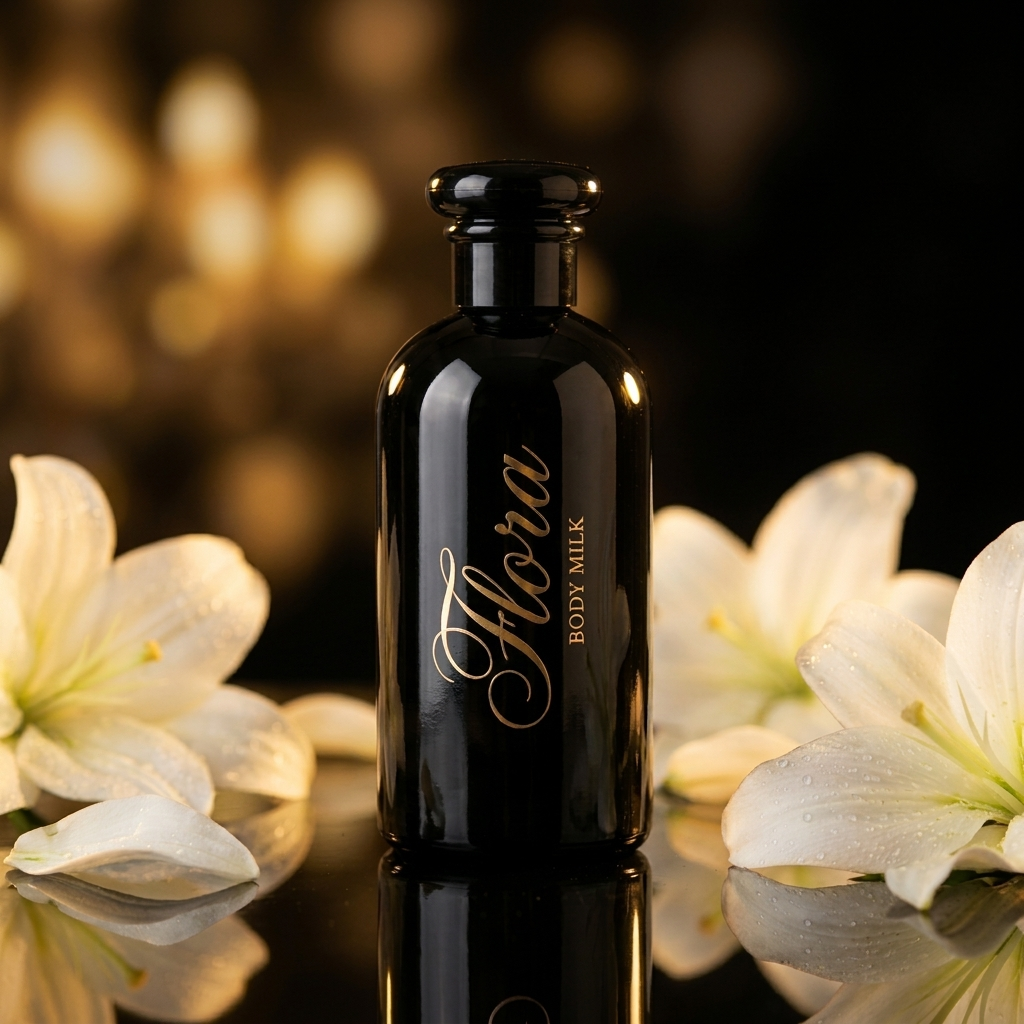
Create a polished luxury advertising set from a single beauty product image. This reusable 4-step workflow generates a clean studio hero shot, an elegant lifestyle scene, a macro product detail and a vertical social media composition while preserving the visual identity of the uploaded product. Designed for skincare, cosmetics and premium beauty products.
Regenerate using your own assets.
For agencies: managing multiple client brands seamlessly
The brand consistency challenge is magnified for agencies managing multiple clients. A recent Reddit thread from an agency owner highlighted the nightmare of using AI and accidentally letting one client's 'vibe' bleed into another's. Manual checks and separate project files are fragile and inefficient.
MyUP solves this instantly. You can create and save a distinct Brandkit for each of your clients. Need to create a hiring announcement for Client A? Activate their Brandkit. Five minutes later, need to design a social post for Client B? Switch to their Brandkit with a single click. There is zero risk of brand cross-contamination. The platform ensures that every asset you produce is 100% compliant with the active client's identity, allowing you to scale your creative output without scaling your risk of error.
Template: #myup-eiob-7tbc
Modern Hiring Poster
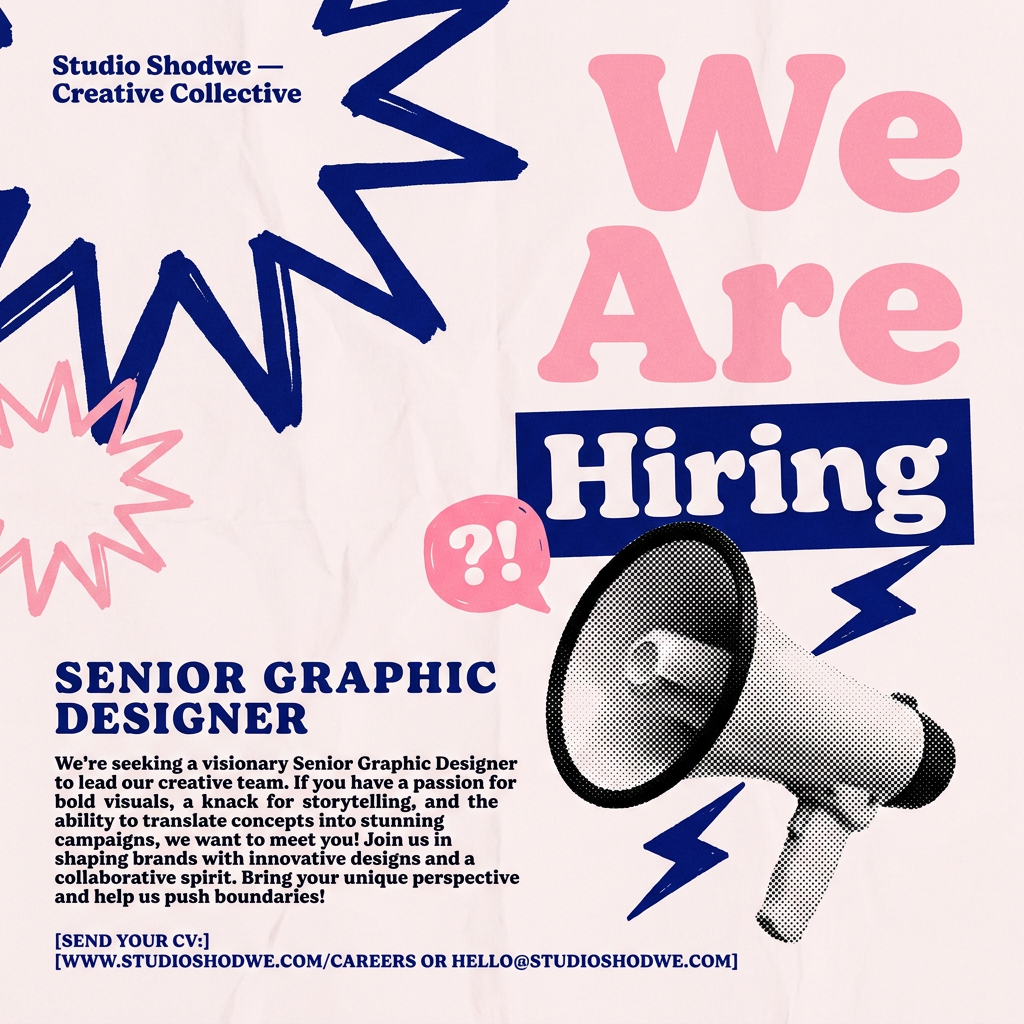
Turn your open roles into stylish social announcements. It sets your hiring details against a soft, textured paper background with clean, editorial typography. Perfect for giving your brand a polished, modern look when you're looking to hire.
Regenerate using your own assets.
Stop fixing your AI's mistakes. Start creating.
Brand consistency should not be a daily battle of prompt engineering and manual corrections. It should be the automatic, invisible foundation of your creative production. Raw AI models are powerful but untamed; they are tools, not solutions. To get finished, professional results, you need a platform that understands your intention and respects your identity.
Stop fighting to keep your visuals on-brand. Instead, use a system where your brand is the starting point for every creation. Build your Brandkit on MyUP.ai in under a minute and start turning your ideas into finished, perfectly on-brand creations, every single time.