
You've mastered the intricacies of AI: crafting complex prompts, orchestrating multi-step automation in ComfyUI, and pushing the boundaries of models like Stable Diffusion or Midjourney. But turning that deep technical skill into a predictable, recurring income stream? That's the real challenge many AI builders face today, moving beyond one-off gigs to a sustainable business model.
With the recent release of Meta's Muse Glimmer on August 10, 2026, and other advanced open-source agentic, multimodal models, the opportunity to build truly sophisticated, automated solutions has never been greater. The question isn't just 'what can I build?' but 'how do I productize this for recurring revenue?' Many creators are asking exactly this, with recent discussions on Reddit (as of August 15, 2026) highlighting the urgent need for practical pricing strategies for AI automation services.
This guide will show you how to package your agentic AI builds into sellable products and services, set pricing that reflects their true value, and find the right channels to reach clients who need them. For builders ready to productize their expertise, the MyUP creator program offers a direct path to publish your custom AI workflows, tap into a built-in audience, and start generating revenue without the overhead of building your own marketplace.
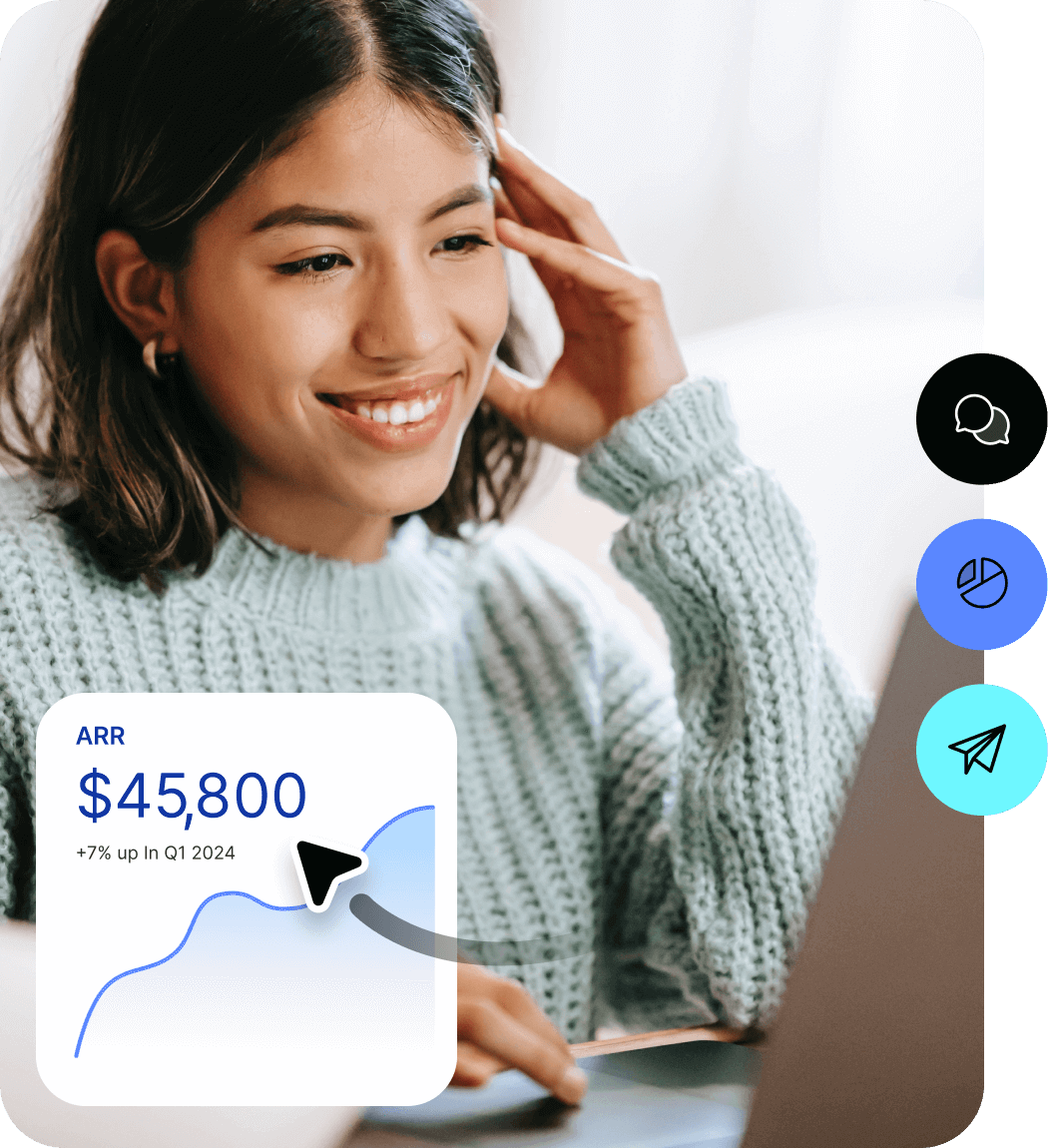
Build once. Get paid on repeat.
Package your AI workflow and sell it to a built-in audience of creators.
What makes agentic multimodal AI builds so valuable?
Agentic multimodal AI isn't just about generating pretty pictures or simple text. It's about creating intelligent systems that can understand complex instructions, interact with multiple data types (text, image, video, audio), and execute multi-step tasks autonomously. Think of it as a digital assistant that doesn't just follow a single command but plans, acts, and course-corrects to achieve a higher-level goal.
Models like Muse Glimmer exemplify this capability, allowing for builds that can maintain character consistency across an entire video series, generate hyperrealistic product shots with intricate details and custom backgrounds, or produce cinematic video ads with precise camera movements and consistent branding. These aren't trivial tasks; they solve critical pain points for businesses that demand high-quality, consistent, and scalable content creation. The value lies in their ability to automate complex creative processes that previously required significant human oversight, multiple tools, or expensive agencies.
Identifying high-demand problems your advanced workflows can solve
The key to recurring revenue isn't just having a powerful tool; it's using that tool to solve a persistent, high-value problem for clients. Look for areas where businesses struggle with consistency, scalability, or cost in their visual content creation. Here are some examples:
- Consistent Character Generation: Businesses creating animated series, marketing campaigns with mascots, or interactive narratives often struggle with AI-generated characters changing appearance. An agentic workflow that guarantees character persistence across hundreds of frames or images is incredibly valuable. This directly addresses the common pain point seen on Reddit of "how do I stop my AI generated characters from changing faces in every shot?"
- On-Brand Video Ads: Generic AI video often looks, well, 'AI.' Marketers need cinematic quality with specific camera movements, consistent branding, and seamless text overlays. A workflow that leverages models like the recently updated Runway Gen-3 Alpha for enhanced consistency and control can deliver professional-grade video ads that resonate. This solves the marketing forum query: "My AI video ads look too 'AI' – how to make them more cinematic and professional?"
- Hyperrealistic Product Photography: E-commerce brands constantly need high-quality product images. An agentic build that can take a simple product shot and generate hyperrealistic variations with custom, non-generic backgrounds and intricate details (like those enabled by the Flux Realism Lora update) saves thousands in photoshoot costs. This directly responds to the X.com trend on "AI product photography hacks for small businesses – avoiding generic backgrounds is key!" and the demand for enhanced realism.
- Automated Brand Guideline Adherence: Maintaining visual consistency across all marketing materials is a headache for brands. An agentic system that can enforce brand colors, fonts, logos, and stylistic rules across all generated content automatically is a huge time-saver. This aligns with recent reports on new AI tools simplifying brand guideline adherence for marketers.
Packaging your agentic AI workflow as a product, not just a service
To move from one-off project work to recurring revenue, you need to productize your expertise. This means transforming your custom build into something repeatable, scalable, and easy for clients to consume.
- Modular Design: Break down your complex workflow into distinct, self-contained modules. Can a client use just the 'consistent character generation' module, or do they need the full 'cinematic ad creation suite'? Offering tiers or selectable modules increases appeal.
- User Experience for Non-Technical Clients: Most clients don't care about your ComfyUI graph or prompt engineering layers. They care about the output. Design a simple input-output interface. What data do they need to provide? What format will they receive the results in? Make it as intuitive as possible.
- Clear Deliverables and SLAs: Define exactly what the client gets, how often, and with what quality guarantees. This builds trust and sets expectations for a recurring relationship. For instance, "10 hyperrealistic product shots per week, adhering to brand guidelines, with a 24-hour turnaround."
- Documentation and Support: Even for a 'productized service,' clients will have questions. Provide clear instructions, FAQs, and a support channel. This reduces your reactive workload and reinforces the professionalism of your offering.
Platforms like MyUP are designed for this exact purpose. They allow you to publish your sophisticated AI workflows as productized solutions, giving you the infrastructure to present them clearly, handle transactions, and reach a market actively looking for advanced AI capabilities. This means you focus on building the best agentic solution, and MyUP handles the storefront and user access, making it easier to scale.
Pricing strategies for recurring revenue: Retainers, subscriptions, and value
This is where many creators stumble. Pricing for recurring revenue requires a shift from hourly rates or per-project fees. Your goal is to capture the ongoing value you provide, not just the initial effort. Recent Reddit discussions show a clear demand for guidance on this, with creators asking, "How do I price my AI automation services for visual content? Clients want recurring packages."
- Value-Based Pricing: This is often the most effective for agentic AI. Instead of charging for your time or GPU usage, charge for the business value you deliver. If your workflow saves a client $5,000 a month in agency fees or boosts their ad conversions by 15%, your service is worth a significant portion of that. For example, a workflow that generates 50 on-brand, consistent video ads per month might be priced at $1,000-$3,000/month, depending on the client's scale and ROI.
- Tiered Subscriptions: Offer different levels of service based on usage, features, or output volume. A basic tier might include 50 image generations per month for $199, a standard tier for 200 images and 5 videos at $499, and a premium tier for unlimited usage, priority support, and custom integrations at $999+. This allows clients to scale with you.
- Monthly Retainers: For more complex, bespoke agentic solutions, a retainer ensures you're compensated for ongoing maintenance, optimization, and a guaranteed volume of output. These often range from $1,500 to $10,000+ per month, depending on the complexity of the workflow and the client's needs. This is particularly suited for solutions requiring continuous character consistency or brand guideline enforcement across diverse content.
- Usage-Based Pricing: Less common for full agentic solutions, but can be an add-on. For example, a base retainer plus a small per-generation fee for outputs beyond a certain threshold.
Always articulate the ROI clearly. Show potential clients how your automated workflow will save them money, time, or generate more revenue than traditional methods. This justification is crucial for securing those valuable recurring contracts.
For more on this, check out our guide on Pricing AI visual content automation for agency clients: Secure retainers, prove ROI.
Building for consistency and scale: The foundation of recurring income
Recurring revenue hinges on reliability. Your agentic builds must deliver consistent, high-quality output every single time. This means:
- Robust Prompt Engineering: Your underlying prompts need to be engineered for stability. This includes using negative prompts effectively, specifying styles, and leveraging advanced techniques to prevent drift in character appearance, object styles, or brand aesthetics. The frustration over AI characters changing faces in every shot is a direct indicator of this need.
- Automated Quality Control: Implement checks within your workflow. Can you use another AI to verify brand colors, check for artifacts, or ensure text overlays are clean and readable (a common problem on Reddit with marketing banners)? This ensures deliverables meet client expectations consistently.
- Scalable Infrastructure: Consider the computational demands. If you suddenly get 10 new clients, can your setup handle the increased load without delays or degraded quality? Using cloud-based GPU services or platforms that abstract away infrastructure concerns is vital for growth.
- Feedback Loops: Build mechanisms to collect client feedback on consistency and quality. Use this data to continually refine and improve your underlying prompts and workflows. This iterative improvement is key to long-term client satisfaction and retention.
The ability to reliably produce consistent visuals, whether it's character persistence or on-brand marketing banners with seamless text, is what differentiates a hobbyist from a professional service provider in the AI space.
Distribution and client acquisition: Reaching your target market
You've built and packaged a powerful agentic AI solution. Now, how do you get it into the hands of clients who need it?
- Niche Communities: Engage in forums and groups where your target clients (e.g., e-commerce owners, marketing professionals, indie game developers) gather. Share your expertise, solve problems, and subtly introduce your solutions.
- Direct Outreach: Identify businesses that exhibit the pain points your workflow solves. Cold email or LinkedIn outreach with a tailored case study demonstrating ROI can be highly effective.
- Portfolio and Case Studies: Showcase your agentic workflows in action. Create before-and-after examples, demonstrate consistency across a series, or highlight how your solution streamlined a complex process. Visual proof is king.
- AI Creator Platforms: This is where platforms like MyUP come in. Instead of building your own website, payment system, and marketing funnel, you can publish your custom AI workflows directly on MyUP's creator program. You get instant access to a built-in audience of businesses and marketers actively seeking AI solutions. MyUP handles the infrastructure, payment processing, and exposure, allowing you to focus on what you do best: building advanced AI solutions. This significantly lowers the barrier to entry for productizing your skills and reaching clients globally.
For more insights into productizing your skills, read Productizing visual AI: A freelancer's blueprint for recurring revenue.
Sustaining growth: Evolving your offerings and client relationships
Securing recurring revenue is just the first step. To sustain growth, you need to continuously evolve. Keep an eye on new AI model releases and advancements, like the ongoing improvements in video consistency from Runway Gen-3 Alpha or the hyperrealism of Flux Realism Lora. How can these new capabilities enhance your existing workflows or inspire new ones?
Listen closely to client feedback. Are there new pain points emerging? Can you expand your current offerings to solve adjacent problems? For example, if you're providing consistent character generation, can you also offer automated scene generation or voice synchronization?
Building strong client relationships is paramount. Regular check-ins, proactive suggestions for improvement, and demonstrating ongoing value will turn clients into long-term partners and advocates, ensuring your recurring revenue streams remain robust and grow over time.
Your path to predictable income as an AI creator
The era of agentic multimodal AI, spearheaded by innovations like Muse Glimmer, has opened up unprecedented opportunities for AI builders. No longer are you limited to one-off commissions or basic prompt sales. Your deep expertise in crafting sophisticated, automated AI solutions can be transformed into a sustainable, recurring revenue business.
By strategically identifying high-value problems, meticulously packaging your advanced workflows, and implementing smart pricing models, you can move from inconsistent gigs to predictable income. Whether it's ensuring character consistency, generating cinematic video ads, or delivering hyperrealistic product photography, the demand for truly agentic, reliable AI is immense.
For AI creators ready to take this leap, the MyUP creator program provides a powerful platform to productize your unique skills, reach a dedicated audience, and build a thriving business around your advanced AI workflows. Stop trading time for money, and start building products that generate recurring value for your clients and recurring income for you.