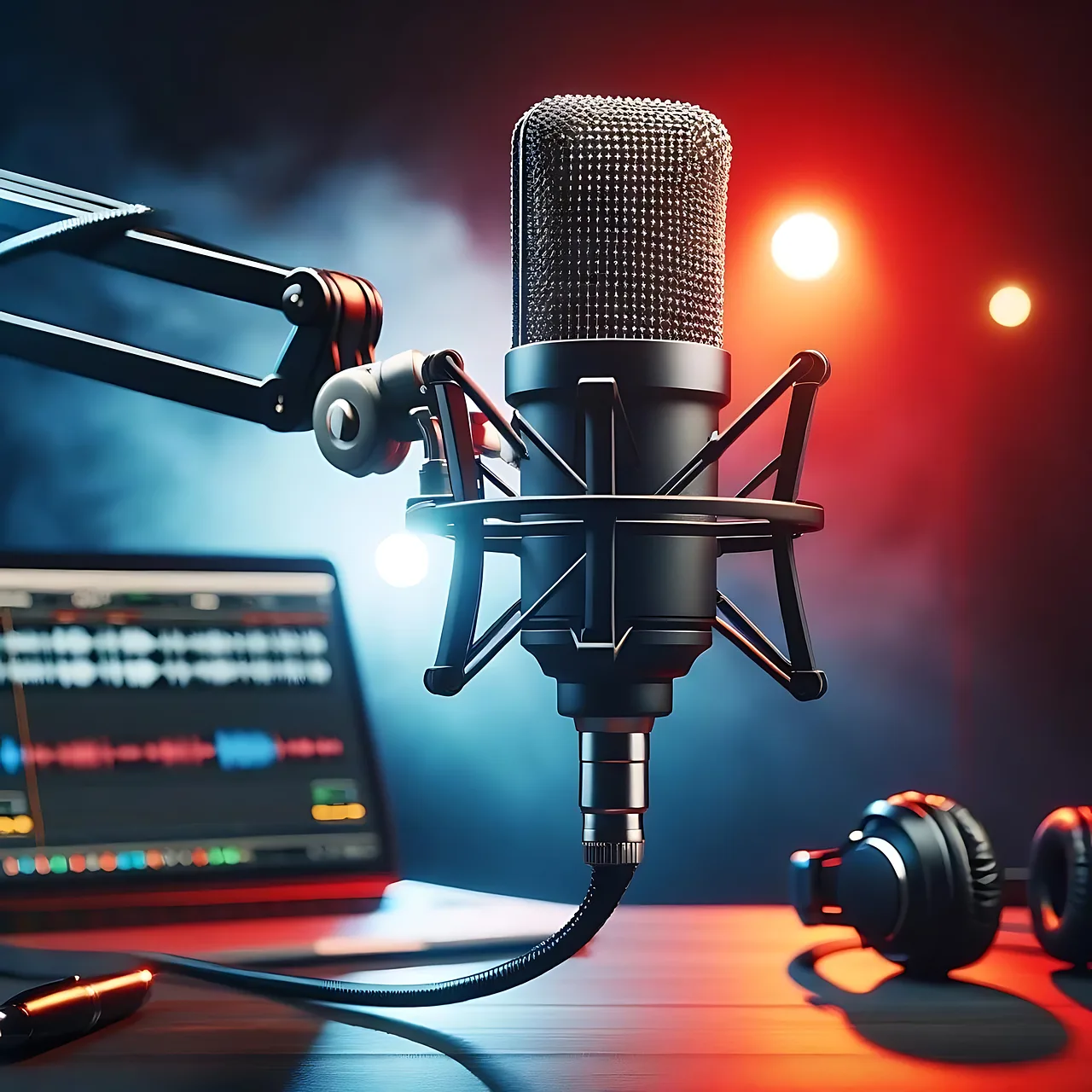
If you're a marketer, e-commerce owner, or designer, you've probably felt the frustration. You try to generate a product mockup with AI, and it comes out looking like a cheap 3D render from 2010. The lighting is flat, the shadows are wrong, and the materials have a tell-tale plastic 'AI sheen'. Yesterday's launch of OpenAI's GPT-6 Astra marks the beginning of the end for that problem. This guide explains what this new technology means for you and provides a practical method to use it for professional results on MyUP.
GPT-6 Astra is here, and it’s changing product photography forever
Yesterday, September 3, 2026, OpenAI released GPT-6 Astra, and it's already clear this changes the game for e-commerce and marketing visuals. For years, creators have struggled with the final mile of AI image generation: the persistent 'AI sheen', waxy materials, and shadows that just feel... off. This uncanny valley has been the biggest barrier to using AI for high-stakes product photography.
GPT-6 Astra directly targets this problem. It’s not just another incremental update; it represents a fundamental leap in how AI understands the physical world. For anyone who needs to sell a product online, this is the breakthrough we've been waiting for.
Why Astra's 'deep material understanding' ends the uncanny valley
So what makes Astra different? It comes down to two things: a massive context window (1.05 million tokens) and what the release notes call 'deep material understanding'. In practical terms, this means you can describe a scene with incredible specificity, and the model can actually comprehend and render the physics of it.
Previous models could be told to create a 'glass bottle', but the result was often a generic shiny object. With Astra, you can describe 'a frosted green glass bottle with condensation beading on the side, catching the morning sun from a window on the left'. The model understands how light should refract through the glass (caustics), how it should scatter through the tiny water droplets, and how the shadow should fall, soft and diffused, on a marble countertop. This isn't just a better picture; it's a more accurate simulation of reality. The 'AI sheen' is replaced by accurate specular highlights. Plastic looks like plastic, fabric has a believable weave, and metal reflects its environment convincingly. This ends the uncanny valley for product visuals.
The MyUP method: from simple intention to finished studio scene
Groundbreaking models like GPT-6 Astra are powerful ingredients, but they are not the final dish. The future of creative production isn't about becoming an expert in writing thousand-word prompts to wrangle a raw model. It’s about having a platform that handles the technical production from A to Z, turning your creative intention into a finished, publish-ready result.
This is where MyUP comes in. You don't need to learn the intricacies of material physics. You just need to describe what you want: 'A studio-quality photo of my new skincare product in a minimalist, elegant setting'. MyUP, the Creative Production Platform, takes your intention and uses the power of models like GPT-6 Astra to execute the entire project, delivering a finished creation ready for your website or ad campaign.
Step 1: Describe the perfect environment for your product
Your first step in MyUP isn't writing a complex prompt; it's defining your vision. Forget technical parameters. Think like a creative director. What is the mood? Where is the light coming from? What story does the environment tell about your product?
- For a luxury watch: 'A macro shot on a dark, polished oak surface, with a single, soft light source from above creating long shadows.'
- For an organic snack bar: 'On a rustic wooden table, surrounded by whole ingredients like almonds and oats, with bright, natural daylight.'
- For a new sneaker: 'In an urban setting at dusk, placed on wet pavement reflecting neon city lights.'
MyUP translates these natural language intentions into the complex instructions needed for a model like Astra to render a perfect scene. If you want to get started instantly, you can use a creative template built by a top creator. For example, to achieve a high-end, clean aesthetic perfect for wellness or beauty products, you can use a ready-to-use production template. Template: #myup-fy77-jljs
Minimalist Elegant Product Advertising Poster
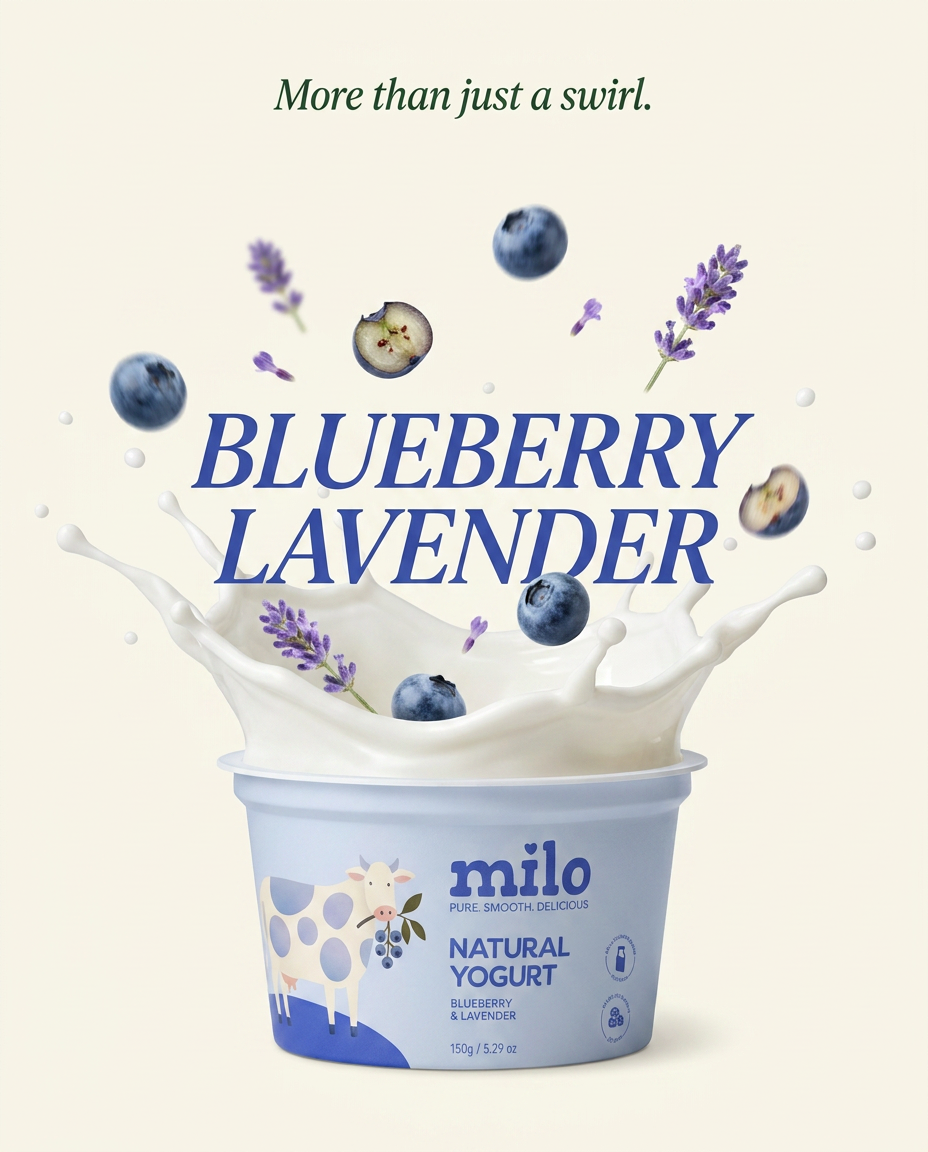
Turn any product shot into a high-end editorial ad. It places your item against a soft cream background with airy spacing and adds elegant, small serif typography at the top. Great for wellness or luxury brands wanting a calm, minimal aesthetic.
Regenerate using your own assets.
Step 2: Generate an entire campaign with perfect brand consistency
A single great image is good, but a successful brand needs a dozen great images that all feel consistent. This has been a massive failure point for other AI tools. Generating ten mockups often results in ten slightly different versions of your product, with logos shifting, colors drifting, and packaging warping. It's a nightmare for brand managers.
MyUP solves this with the Brandkit. You set up your brand's visual identity once—logo, colors, fonts, and even a 3D model or reference photos of your product. MyUP then uses this Brandkit as the non-negotiable source of truth for every creation. You can generate your product in a hundred different scenes, from a beach to a bathroom to a studio, and the product itself will remain 100% consistent and on-brand in every single shot. This is how you move from one-off images to building a full, cohesive e-commerce catalog. For creating a series of vibrant, on-brand ads that automatically adapt to your product's colors, a template can get you there in one step. Template: #myup-zpby-tzie
Minimal Vibrant Product Advertising Poster
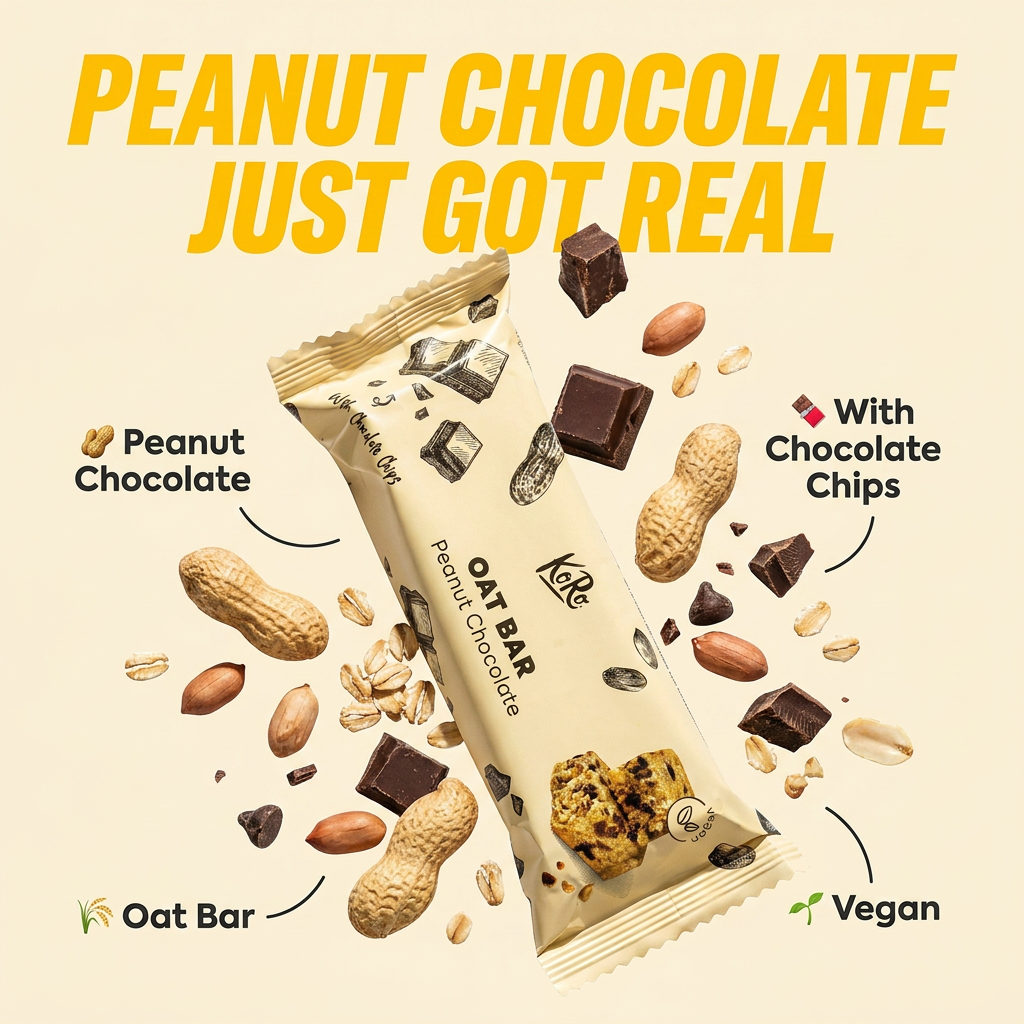
Drop in any product shot and watch it turn into a bold, high-energy square ad. It automatically reads your packaging to pull out the dominant colors and text, then builds a vibrant poster styled perfectly around your brand.
Regenerate using your own assets.
Step 3: Create a finished, high-converting ad visual
MyUP doesn't just give you a raw JPEG. It delivers a finished asset. After generating the perfect mockup and ensuring it's on-brand, the final step is to assemble the complete creation. This could be a high-converting ad for social media, a hero image for your website, or a poster for a marketing campaign.
Within the MyUP platform, you can instantly combine your newly generated visual with ad copy, your logo from the Brandkit, and other graphic elements. You're not just downloading a picture; you're finishing a project. The goal is to go from intention ('I need a new ad for my sportswear line') to a publish-ready result without ever leaving the platform or needing to open Photoshop. For example, you can create a dynamic, professional ad that gives your apparel a gritty, streetwear editorial look. Template: #myup-ywpr-rqz6
Professional Sportswear Ad
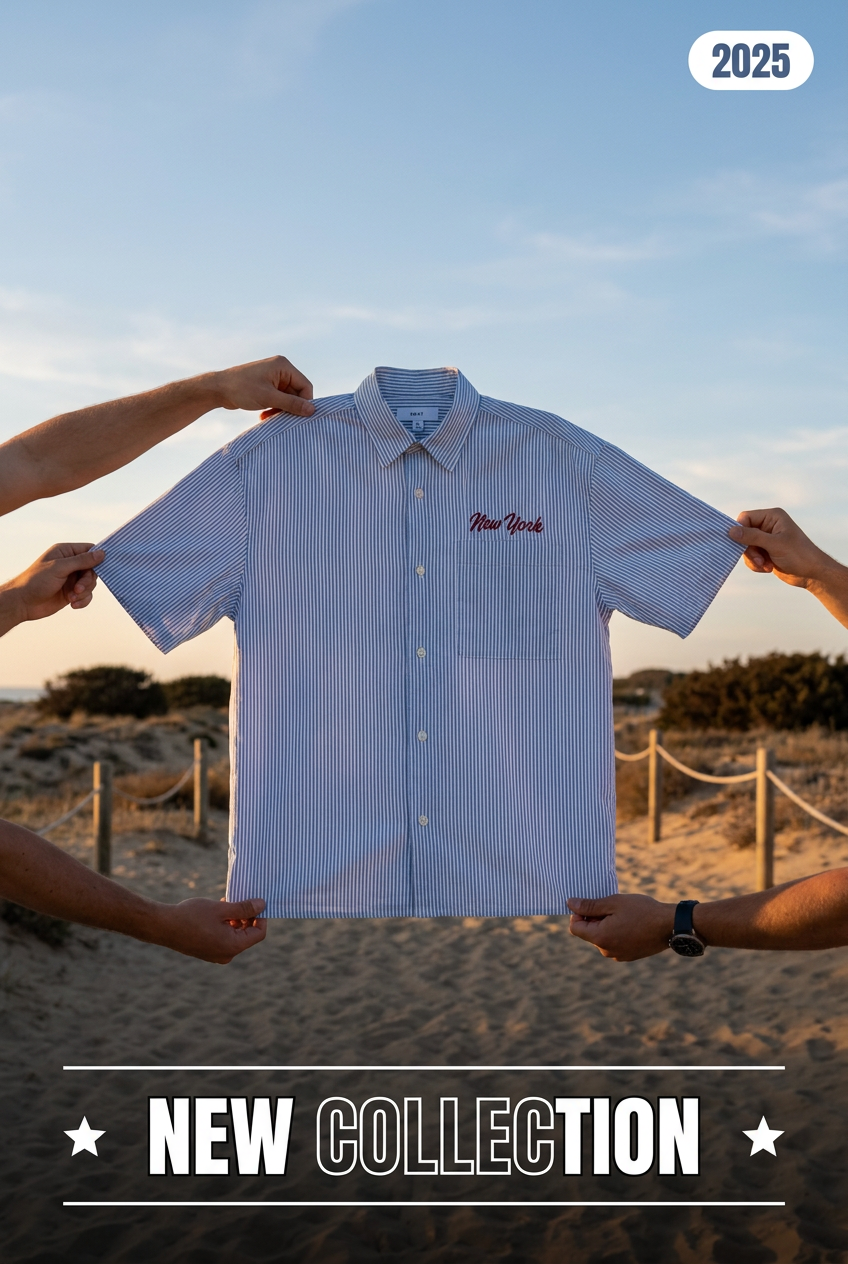
Suspends your apparel right in the center of a high-energy promo shot, held up by hands around the frame. It gives your shirts or jerseys a gritty, collaborative streetwear editorial look that feels alive and physical.
Regenerate using your own assets.
Your turn: create your first photorealistic mockup in minutes
The era of battling with prompts and settling for 'good enough' AI visuals is over. With GPT-6 Astra's deep material understanding and MyUP's intention-to-creation platform, you can now produce studio-quality product mockups that are indistinguishable from reality. Stop wrestling with tools; start creating. Describe your vision and let MyUP handle the production. Your first finished creation is just minutes away.