
You’ve tried the “AI Instagram post generators.” You type in a prompt, and it spits out a slick but soulless image that looks nothing like your brand. The colors are wrong, the vibe is off, and it feels completely disconnected from your last post. Now you’re back on the content treadmill, staring at a blank calendar, feeling the pressure to post something—anything—today.
This isn’t a creativity problem; it’s a production problem. The endless demand for daily content turns social media managers into assembly-line workers. The recent +150% spike in searches for “AI Instagram post generator” proves everyone is looking for a shortcut. But a one-off image generator isn’t the answer. You don’t need more random posts. You need a content engine.
This guide lays out a systematic workflow inside MyUP.ai to produce a month’s worth of on-brand Instagram content. We’ll move beyond single prompts and build a repeatable system that understands your brand’s visual identity and automates the grunt work, freeing you to focus on strategy.
Step 1: Set your brand on autopilot with a MyUP Brandkit
Brand consistency isn't achieved by describing your style in a prompt over and over. It's achieved by building a foundation that AI can draw from automatically. Before you generate a single image, the first and most critical step is setting up your Brandkit in MyUP.
A Brandkit is your brand’s DNA, stored in one place. You do this once:
- Upload Your Logo: Provide your logo files. MyUP will understand its form and placement.
- Define Your Colors: Input your primary and secondary color hex codes. These become the default palette for all generations.
- Set Your Fonts: Upload your brand's font files. When you need text in an image, MyUP will use the correct typeface, not a generic substitute.
This single setup is what separates a professional workflow from a hobbyist tool. Instead of hoping the AI “gets” your vibe, you’re providing it with the exact assets. Every workflow you run from this point forward will automatically pull from your Brandkit, ensuring every post, story, and reel looks and feels like it came from your team, not a machine.
Step 2: Plan your content pillars (the human-led part)
AI is your production house, not your strategist. Your expertise is still the most valuable part of the equation. Before you start generating, map out your content pillars for the month. These are the core themes you’ll talk about. A typical mix for a product brand might include:
- Product in Context: Showing your product being used in real-world scenarios.
- Feature Spotlight: Highlighting a specific benefit or feature.
- Behind the Scenes: A glimpse into your company culture or creation process.
- User Testimonials: Turning customer quotes into compelling visuals.
Decide on a rough weekly schedule, for instance: Monday (Product in Context), Wednesday (Feature Spotlight), Friday (Testimonial). This strategic framework gives your AI production a clear purpose. You’re in control, directing the narrative; MyUP is there to execute your vision at scale.
Step 3: Create your reusable post workflow
Now we build the engine. Instead of creating a single post, you’ll create a master workflow for one of your content pillars, like “Product in Context.” A workflow in MyUP is a series of steps that you can save and reuse. It locks in your creative decisions so you don't have to remake them every time.
In your MyUP workflow, you’ll define:
- The Style: Lock in the art direction. Is it photographic, illustrative, minimalist, or something else? Your Brandkit already handles colors and fonts, but this sets the overall mood.
- The Composition: This is where you gain true consistency, a problem Adobe just tried to solve with its new 'Structure Reference' feature. In MyUP, you can define the layout. For a product shot, you might specify “product centered, on a marble surface, with soft morning light.” This structure will be repeated across all images generated with this workflow.
- The Format: Set the aspect ratio to 1:1 for a standard Instagram square post.
Once you’ve built this workflow, you have a template. It’s a repeatable recipe for a perfect, on-brand post. To get started instantly, you can use a pre-built workflow. This one is designed specifically for creating clean, on-brand product posts.
Workflow code: #myup-kbgo-tlle
Product Brand Post
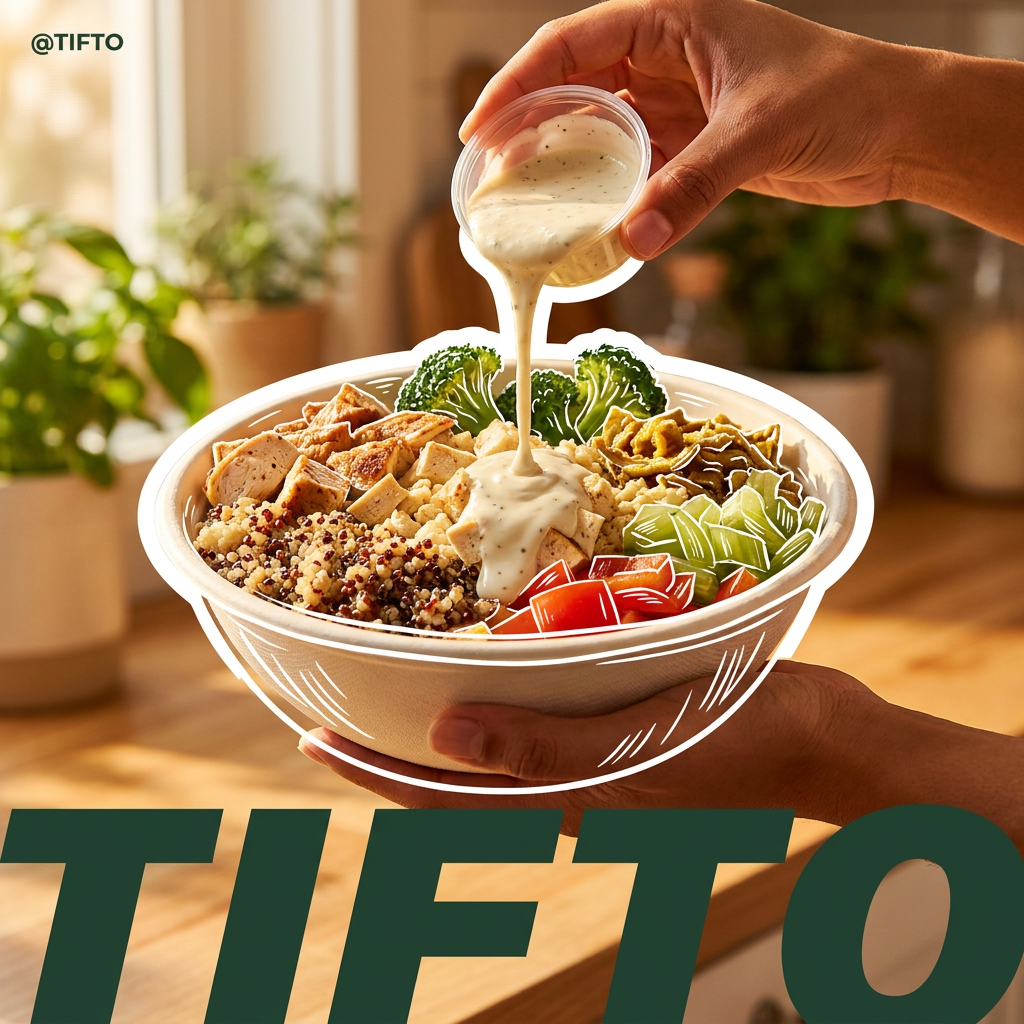
Drop in your product to generate a cohesive nine-post Instagram grid. It blends warm lifestyle photography and flat-lay packaging with bold hand-drawn doodles, collages, and urban billboard mockups. Everything automatically styles itself to your brand's colors.
Regenerate using your own assets.
Workflow code: #myup-gxue-opd0
Product Post
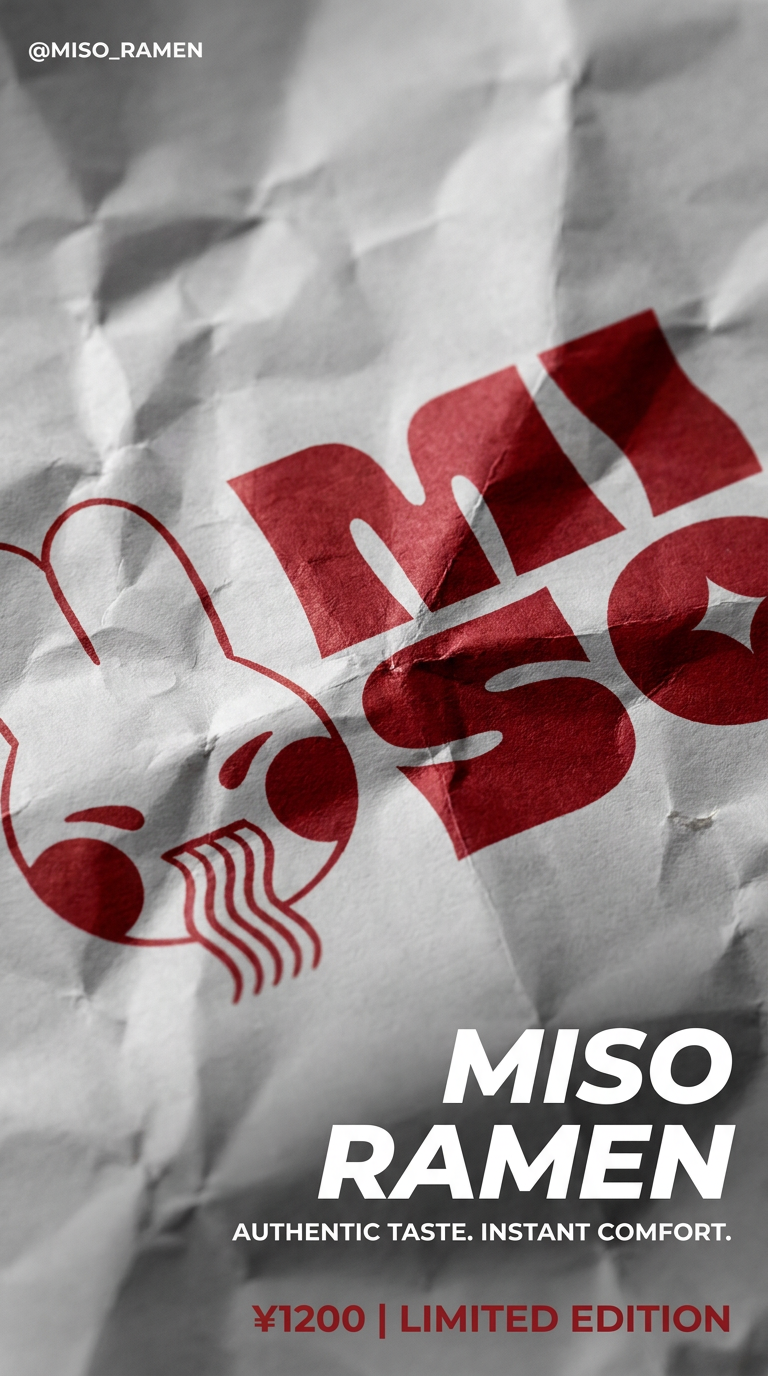
Turn a single product shot into a cohesive six-part Instagram story campaign. It mixes tactile crumpled paper textures with bold, stacked typography and custom mascot spots in your brand's signature colors.
Regenerate using your own assets.
Step 4: Batch-produce a week of content in minutes
This is where the system pays off. You have your “Product in Context” workflow saved. To create a week's worth of content, you don’t start from scratch. You simply run the workflow multiple times with small variations in the input.
For example:
- Run 1 Input: “Our new ceramic mug, on a kitchen counter next to a croissant.”
- Run 2 Input: “Our new ceramic mug, on a wooden desk next to a laptop.”
- Run 3 Input: “Our new ceramic mug, held by a person on a cozy balcony.”
The workflow ensures that even though the context changes, the lighting, color grading, brand colors, and overall composition remain consistent. Your Instagram grid will look cohesive and professional, not like a random collection of images. The human provides the creative idea (the context); MyUP handles the repetitive production of making it look right.
For a fashion brand, a workflow might focus on clothing. This template generates on-brand visuals of your apparel in various settings, perfect for filling your content calendar.
Workflow code: #myup-3sro-edbt
Brand Clothes Post

Turn any outfit photo into a high-end fashion promo poster. It centers your subject in a full-body shot against a dark, dramatic studio backdrop, perfectly cropped for social feeds. It gives your apparel a moody, editorial look instantly.
Regenerate using your own assets.
Step 5: Adapt your workflow for stories, reels, and carousels
Your Instagram strategy isn't just about the grid. You need content for Stories, Reels, and ads. A MyUP workflow is adaptable. Instead of building a new one from the ground up, you can simply duplicate your master post workflow and make one small change.
For Instagram Stories, duplicate your “Product in Context” workflow and change the aspect ratio from 1:1 to 9:16. That's it. MyUP will now generate visuals in the correct vertical format, maintaining the same brand style and composition you already defined. You can do the same for carousel slides or the background visuals for a Reel.
In minutes, you’ve turned one content engine into a multi-format production system. This ensures your brand looks consistent everywhere, from the feed to full-screen vertical video. For high-impact vertical content, like a magazine-style story, a dedicated workflow can make all the difference.
Workflow code: #myup-yk1h-uqy8
High-End Editorial Fashion Magazine Cover
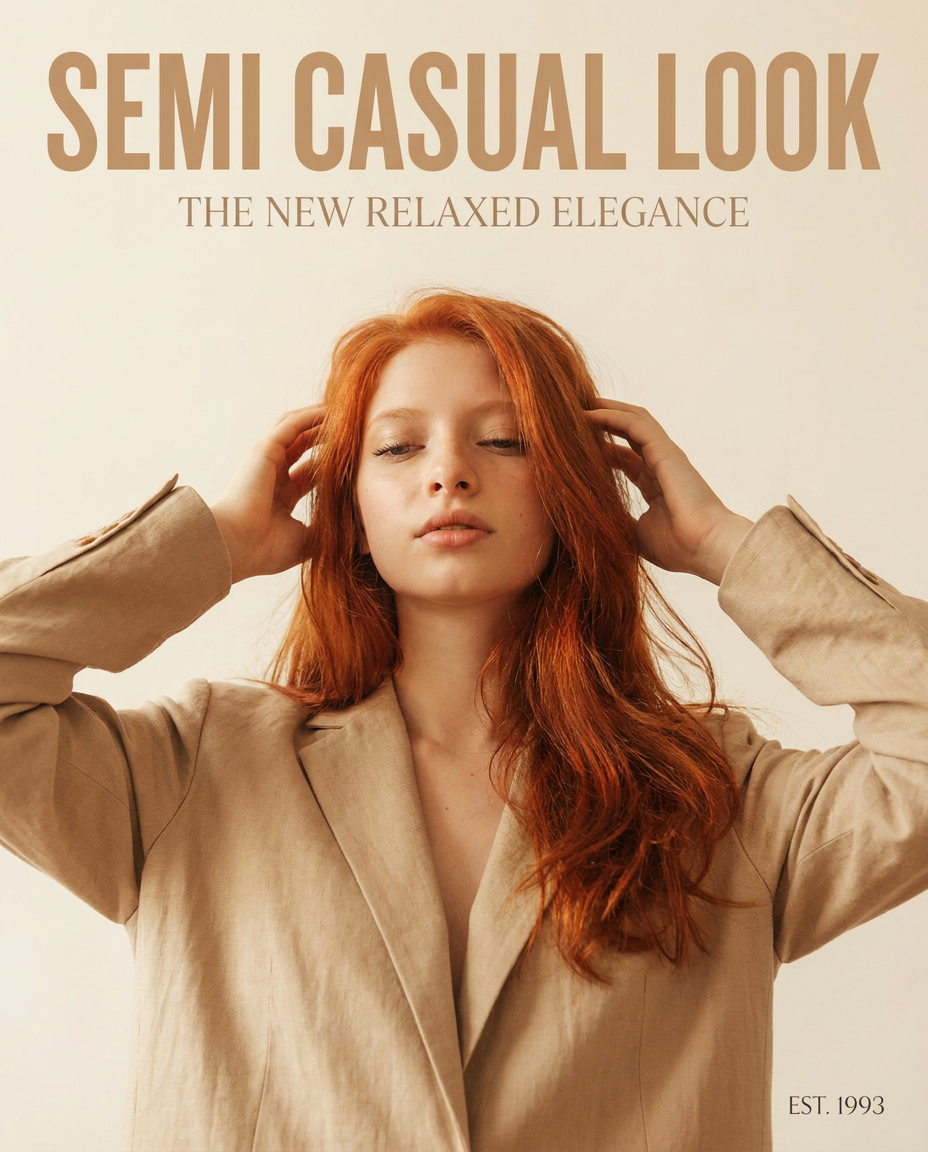
Drop in any portrait and turn it into a high-end editorial magazine cover. It frames your subject beautifully with relaxed, high-fashion posing and soft styling for a polished print aesthetic.
Regenerate using your own assets.
Your new job: creative director, not content factory worker
This workflow-based system fundamentally changes your role. You stop being a day-to-day content creator, manually checking hex codes and wrestling with design tools. You become a creative director of an automated system. Your job is to set the strategy, define the brand's visual standards in the Brandkit, and build the core workflows. MyUP handles the rest.
The result is more than just time saved. It’s higher quality, better consistency, and the mental space to think about the next big campaign idea instead of the next post. Stop generating one-off images. Create your free MyUP account and start building your brand's content engine today.